Manipur Chief Minister Yumnam Khemchand Singh on 29 November 2026 urged farmers to grow a second crop on paddy fields that lie empty after the kharif rice harvest. He said rice-fallow intensification could raise farm incomes and strengthen the state's food and nutritional security. He was speaking at a one-day farmer interaction and technology dissemination programme organised by Central Agricultural University (CAU), Imphal, at its College of Agriculture in Iroisemba, Imphal.
What is rice-fallow intensification?
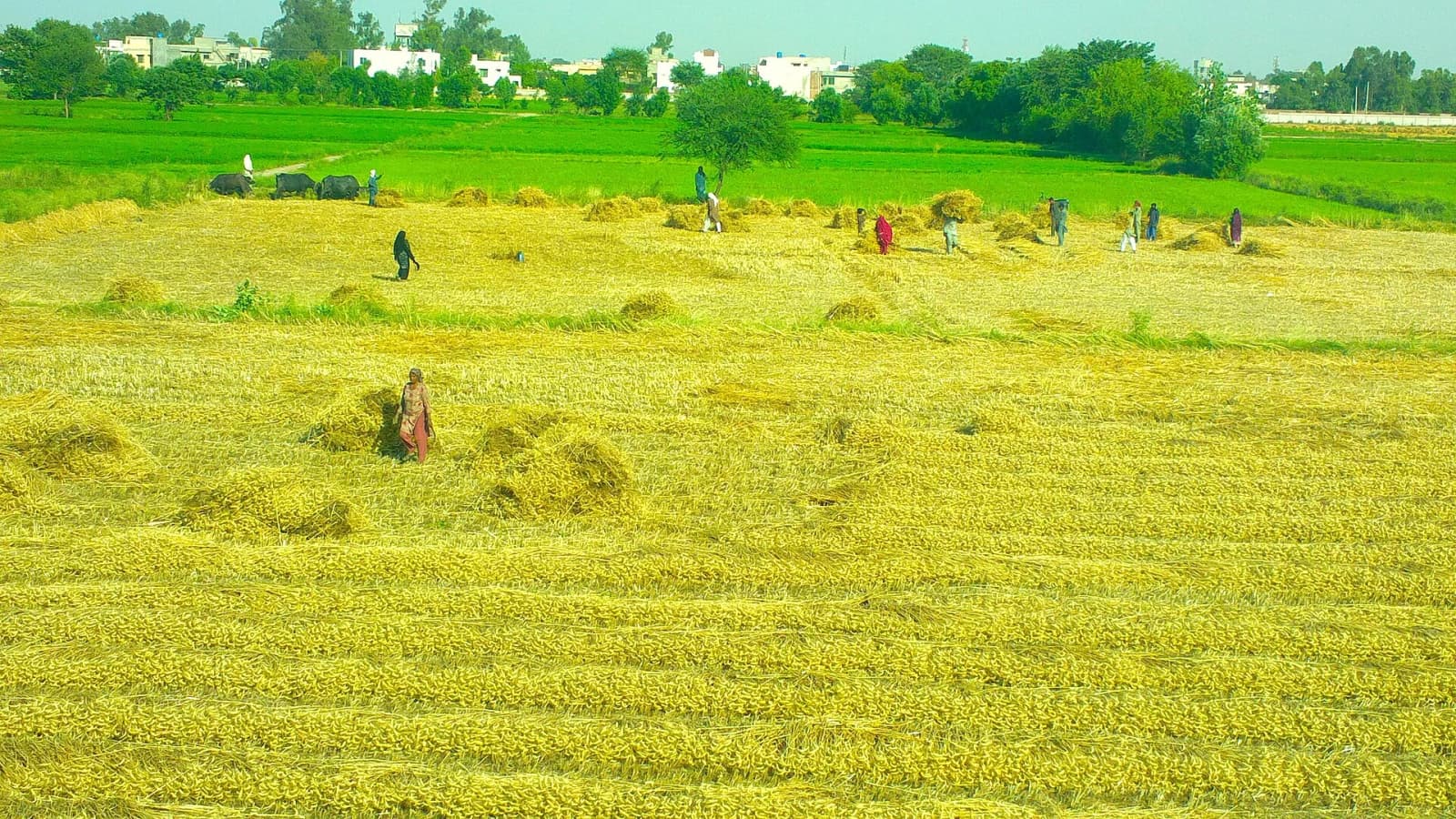
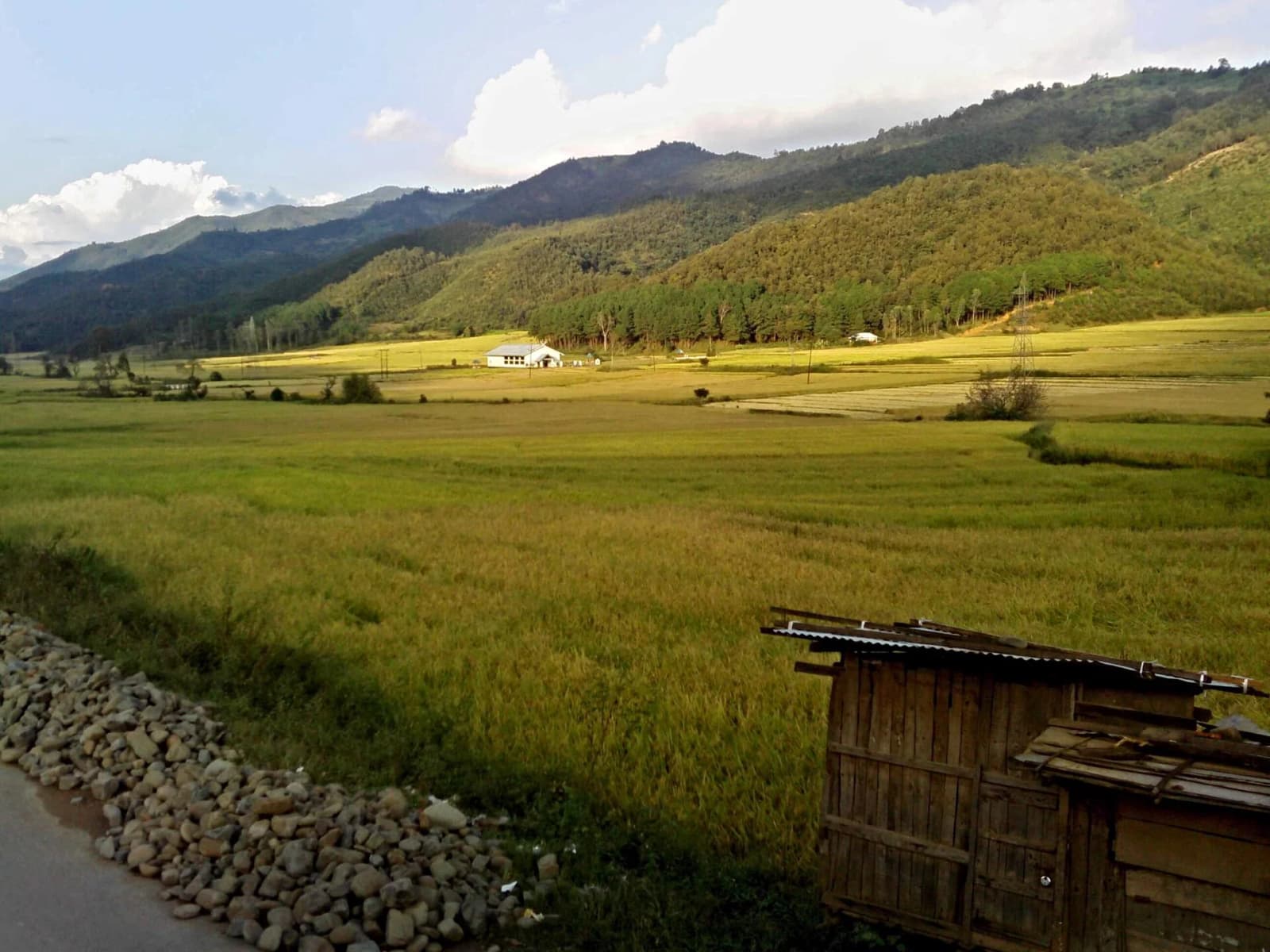
It means using land that is left uncultivated after the rice harvest to grow a second, rabi-season crop. The Chief Minister said more than 65 per cent of Manipur's paddy fields stay idle after the kharif harvest. He called for pulses and oilseeds that can grow on the moisture left in the soil after rice, which would make the land more productive and give farming households extra income.
How big is the opportunity?
Dr Rajbir Singh, Deputy Director General (Agricultural Extension) at the Indian Council of Agricultural Research (ICAR), New Delhi, said there was considerable scope for the practice across the North Eastern Hill Region. According to the government's release, he said about 1.7 lakh hectares are under kharif rice and nearly 65 per cent of that area is left fallow during rabi. Using these lands well could raise cropping intensity from 170 per cent to 200 per cent.
For consumers, a second crop of pulses and oilseeds on the same land would add to the local supply of protein and edible oil sources, which the release links to food and nutritional security. Neither the Chief Minister nor ICAR gave a production target or timeline at the event.
What else was announced?
- Dr Singh called for closer coordination among ICAR institutes, CAU, Krishi Vigyan Kendras (KVKs) and state departments to deliver flagship farm programmes.
- He spoke about a proposal to turn KVKs into skill and entrepreneurship development centres, and a national target of developing one lakh Soil Health Entrepreneurs.
- He encouraged local youth to set up agricultural enterprises and praised emerging ventures such as lotus fibre production.
- Farmers at the event received water pumps, quality seeds and fertilisers.
Dr Anupam Mishra, Vice Chancellor of CAU, asked farmers to adopt the technologies demonstrated and send feedback to the university.
What did the Chief Minister tell farmers?
According to Akashvani's report of the event, the Chief Minister told farmers to adopt double cropping instead of leaving land unused after harvesting paddy and to use modern technology to raise productivity. He described agriculture as the largest contributor to the state's economy and said institutions like CAU should keep promoting scientific methods, including in horticulture and fisheries. He also visited stalls at the venue.
Why it matters
Leaving most paddy land empty for half the year means Manipur grows less food than it could on the land it already farms. A second crop could raise output and farmer earnings without clearing new land. Officials stressed adoption by farmers and coordination between agencies. Whether the push works will depend on farmers taking up the crops and on seeds and extension support reaching them in time for the rabi season.
Elsewhere in the Northeast, MapMyTimes recently reported on the first Tawang Agri Fair in Arunachal Pradesh, which also linked farmers with ICAR scientists.
Photo source · Petekai96, CC BY-SA 4.0