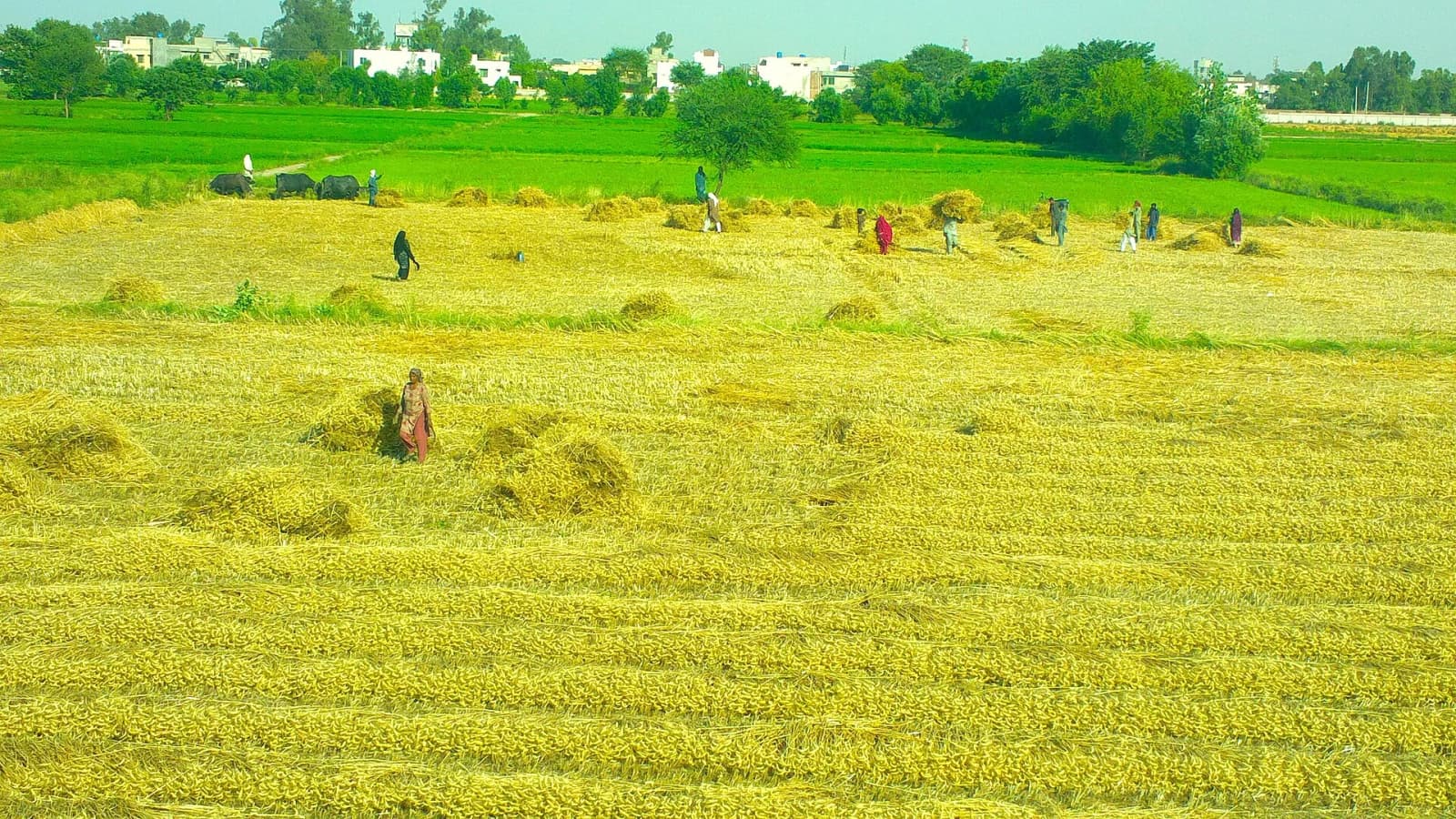
Pakistan's Deputy Prime Minister and Foreign Minister Ishaq Dar on Saturday, 28 November 2026, ordered officials to begin importing without delay the already approved quantity of up to 1.5 million metric tonnes of wheat, saying the aim was to keep the staple available in every province at reasonable prices. Dar gave the direction while chairing the Steering Committee on Wheat Import for 2026-27 in Islamabad, according to state broadcaster Radio Pakistan.
How much wheat is Pakistan importing, and who approved it?
Pakistan is importing up to 1.5 million metric tonnes of wheat, a quantity that was endorsed by the Economic Coordination Committee (ECC) and then approved by the Federal Cabinet. At Saturday's meeting, the steering committee reviewed procurement under way for that quantity, looked at conditions in the domestic market and assessed the strategic buffer the country needs for a national wheat reserve.
Dar told the relevant authorities to "immediately initiate the import of the already approved quantity of wheat", Business Recorder reported. He also said further imports would be considered if domestic demand required them.
What did the government stress?
Dar called for quick execution, smooth logistics and close coordination among ministries so that supply chains stay stocked without disrupting the market. He said that "safeguarding the availability and affordability of essential food commodities remains a top priority" of the government.
According to Business Recorder, the meeting was attended by the federal ministers for law and justice and for national food security and research, Sindh's food minister, Special Assistant to the Prime Minister Tariq Bajwa, the secretaries of national food security and research and of commerce, special secretaries of finance and commerce, and senior officials from all provinces.
What about sugar?
On the same day, Dar also chaired a committee on the export of surplus sugar. According to a statement from the Deputy Prime Minister's Office carried by Pakistan Today, the ECC and the Cabinet have approved an additional export of 416,000 metric tonnes of sugar. The committee reviewed stocks, domestic consumption and market prices and expressed satisfaction with sugar availability and price stability. Dar directed officials to complete the export formalities immediately, called for closer monitoring of retail prices and stronger coordination between the federal and provincial governments, and said consumers must be protected from unwarranted price rises while farmers' interests are safeguarded.
Why it matters
Wheat flour is a daily staple for most Pakistani households, so the timing and volume of imports shape how much families pay for bread and roti. The government's message on Saturday pairs two moves: bringing in wheat from abroad to protect domestic supply, while sending surplus sugar out. Officials have framed both around the same goal of steady availability at stable prices.
The decision comes as Pakistan's farm sector is also drawing outside financing; earlier this week the Asian Development Bank approved $468 million in concessional loans for flood resilience and agriculture in the country.
What happens next?
The immediate next step is for the agencies concerned to move the approved wheat purchases forward. The official statements did not give a timetable for shipments, the cost of the imports or the countries supplying the grain, and they did not say how large any additional import might be. Dar has said only that more imports will be considered if needed.
Photo source · AishaSaleemkhan100, CC BY-SA 4.0