About 34,000 employees of Maharashtra's subordinate courts went on an indefinite strike on Tuesday, 17 November, over the state government's failure to act on a proposal to revise their pay, legal news website Bar and Bench reported. The walkout disrupted judicial work in district and lower courts across the state, according to the report.
Who is on strike
Four unions representing different sections of court staff called the strike together, Bar and Bench reported. They are the Maharashtra State Court Employees Sanghatana (Class-C), the Maharashtra State Judicial Stenographers Association, the State Judicial Bailiffs Employees Sanghatana and the Class-D Employees Sanghatana.
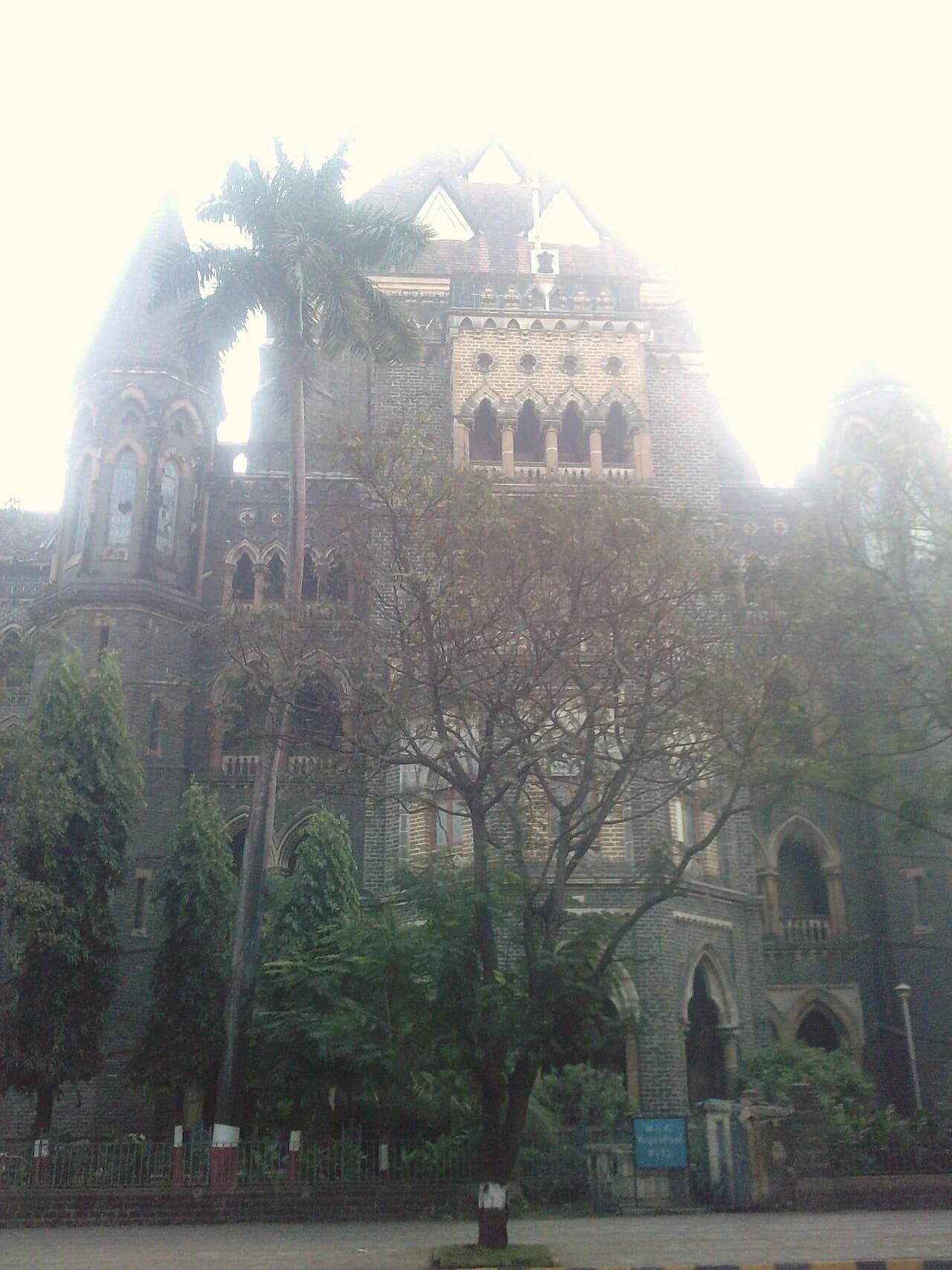
In Mumbai, employees of all cadres at the City Civil and Sessions Court, including its main building and the Dindoshi and Mazgaon branches, joined the strike, the report said. Staff also held demonstrations outside several civil and sessions courts.
The demand
The employees are seeking a wage increment on the principle of "equal pay for equal work". According to the report, the Bombay High Court sent the state government a detailed proposal on 31 January 2025, recommending standardised wage increments for every cadre of judicial employees in the subordinate courts.
Union representatives told Bar and Bench that the government has taken no concrete decision on that proposal in the 20 to 21 months since it was sent. The report does not carry any response from the state government, and none could be confirmed independently at the time of writing.
How the protest built up
The strike follows several weeks of smaller protests, as described in the report:
- 16 September 2026: staff wore black ribbons at work
- 16 and 17 October 2026: a second round of black-ribbon protests
- 5 November 2026: a one-day mass leave was planned but called off at the last minute
- 6 November 2026: a strike notice was given to the Principal Judge of the City Civil Court, Mumbai
- 17 November 2026: the indefinite strike began
During the earlier protests, the staff had taken care not to inconvenience lawyers and litigants during regular court hours, the report said. The unions moved to a full strike after the mass leave was withdrawn.
Effect on courts
Bar and Bench reported that judicial work in these courts was severely disrupted on the first day. It did not give figures for the number of hearings affected.
The strike covers subordinate courts only, going by the unions named in the report, which represent staff of the district and lower judiciary.
What happens next
The unions have not set an end date for the strike. The report does not mention any talks scheduled between the unions and the state government, or any fresh communication from the Bombay High Court after its January 2025 proposal. Litigants with matters listed in district and lower courts in the state may see hearings affected until the strike is called off.
PS · AroundTheGlobe, CC BY-SA 3.0