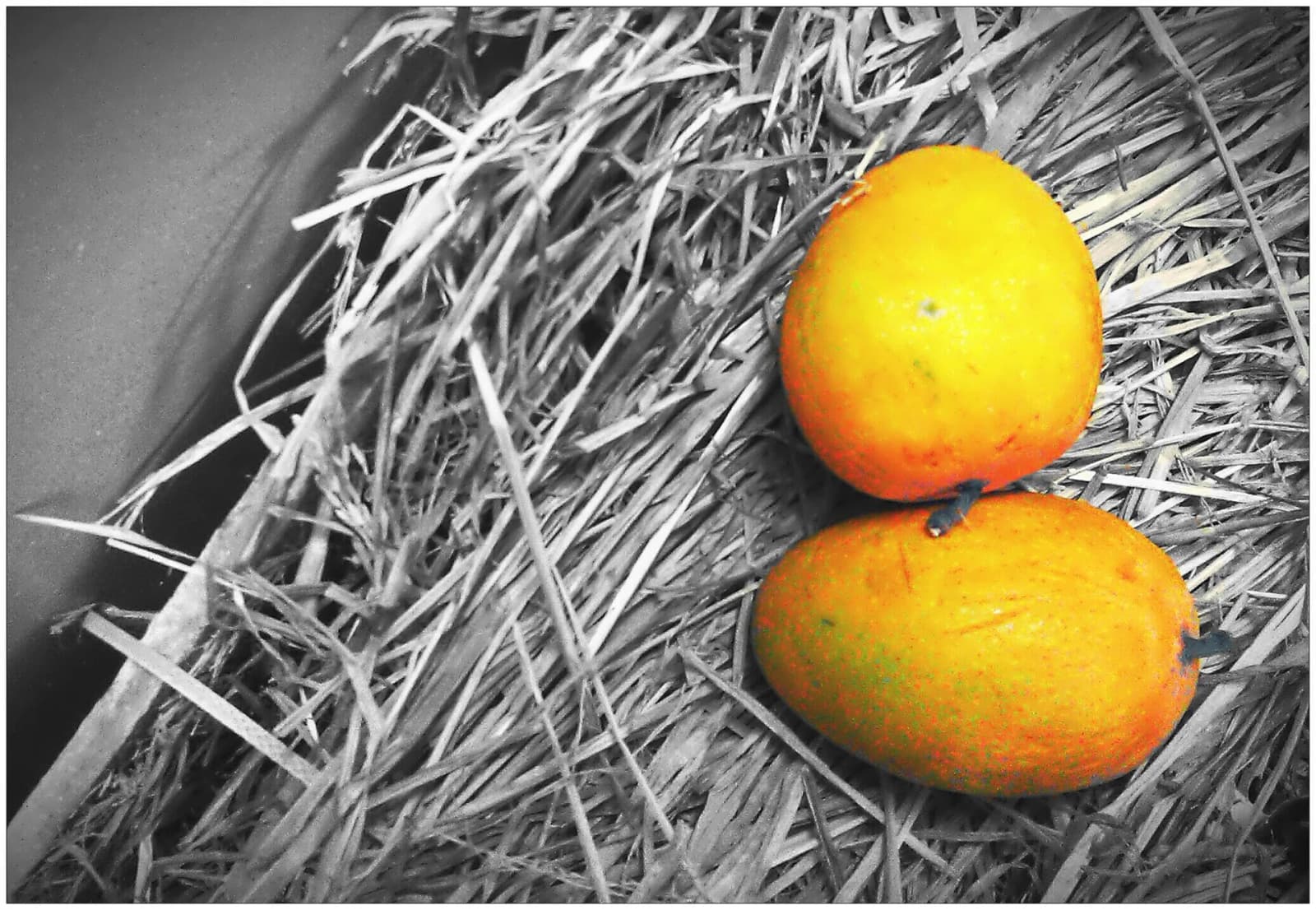
The Geographical Indications (GI) Registry in Chennai has reserved its verdict in the dispute over whether Gujarat's Valsad region can register a separate 'Valsad Hapus' GI tag, after Konkan Alphonso mango growers firmly rejected mediation proposals on November 26, 2026. All four authorised custodian organisations from Maharashtra's Konkan belt refused to share the 'Hapus' designation, arguing that doing so would dilute a centuries-old geographical identity.
Origin Dispute Over Soil, Climate and Export Identity
Konkan Alphonso secured its GI protection in October 2018 across five coastal districts—Ratnagiri, Sindhudurg, Raigad, Thane, and Palghar. The crop is jointly stewarded by the Konkan Hapus Mango Growers and Sellers Cooperative Society Ltd, Dr. Balasaheb Sawant Konkan Agricultural University in Dapoli, Kelshi Area Mango Growers Cooperative Union Ltd, and Devgad Taluka Mango Growers Cooperative Societies Ltd. Growers such as Rajendra Kadam and cooperative president Vivek Bhide maintained that coastal laterite soil and Arabian Sea breezes shape Konkan Hapus's distinct aroma and sweetness.
The competing Valsad Hapus application, filed in February 2023 by Bharatiya Kisan Sangh Gandhinagar alongside Navsari Agricultural University, seeks recognition for mangoes grown in southern Gujarat's Valsad belt.
Commercial Stakes and GI Law Framework
More than a regional pride battle, the dispute carries substantial market value. Hapus accounts for over 40 percent of Maharashtra's mango output, generating roughly Rs 200 crore in annual domestic sales and another Rs 80 crore in exports. Under Sections 9, 10, and 22 of the Geographical Indications of Goods (Registration and Protection) Act, 1999, regulators must weigh historical link, distinctiveness, and risk of consumer confusion before delivering their final order.