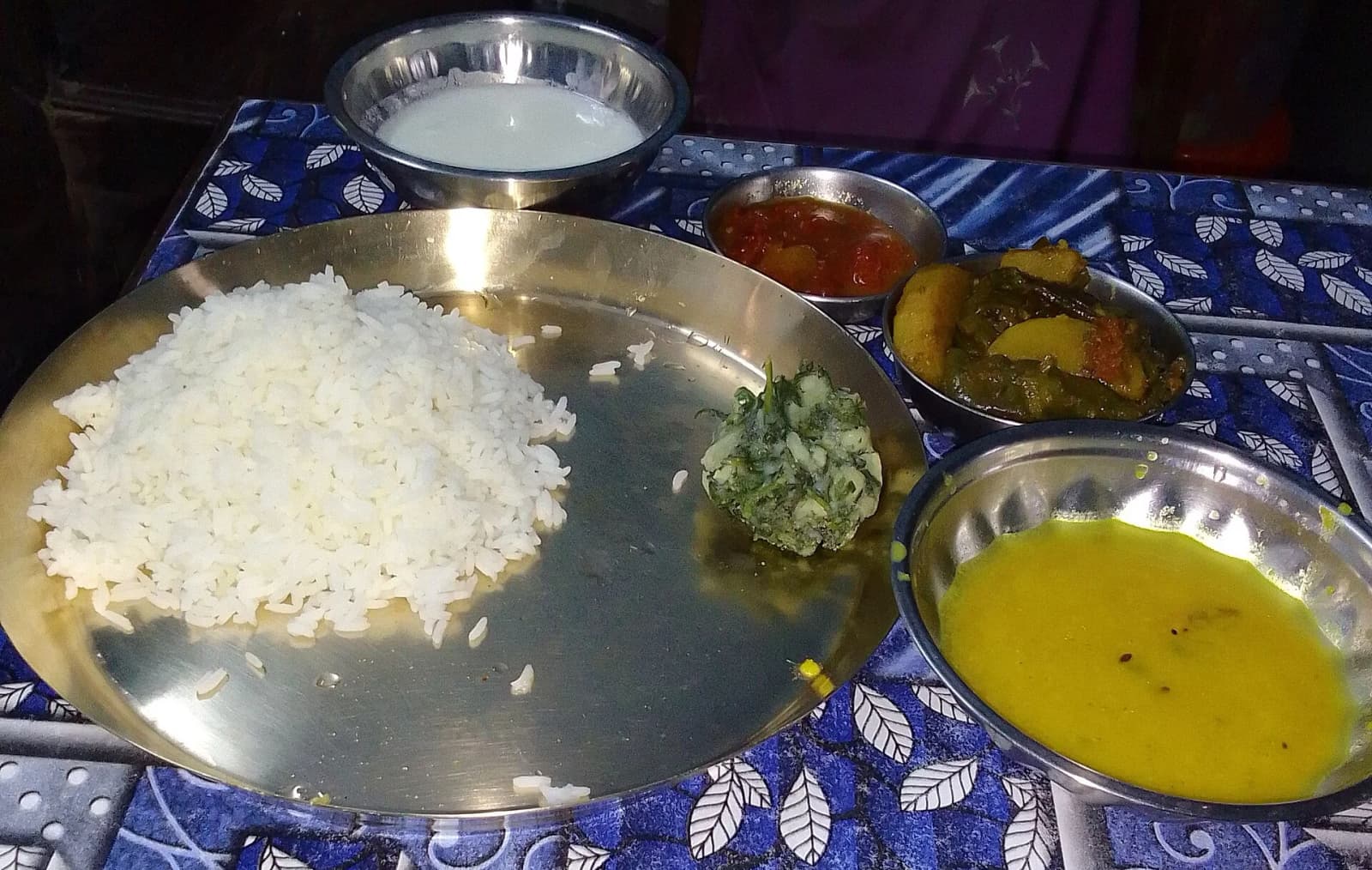
Persistent retail food inflation has pushed the average cost of preparing a meal thali in India up by 16 percent in less than ten months, squeezing household budgets as everyday kitchen staples grow costlier.
Data published in November 2026 shows overall food inflation climbing to 8.9 percent in October—the highest level in at least 22 months of the new price series. Separate plate-cost tracking from Crisil's monthly Roti Rice Rate report also recorded a 12 percent year-on-year rise in the cost of a home-cooked vegetarian thali in October, outpacing a 9 percent increase in non-vegetarian thalis.
Key Staples Driving Higher Kitchen Bills
Sharp retail price increases across core ingredients account for much of the jump in daily meal expenses between January and October 2026:
- Onions: Retail prices for one kilogram of onions surged by more than 100 percent since March, emerging as the single steepest pressure point.
- Garlic and rice: Retail garlic prices climbed around 22 percent and rice rose roughly 11 percent over the same period.
- Vegetables, oil, and cooking gas: Higher tomato, vegetable oil, and LPG cylinder costs compounded expenses for vegetarian households, while softer broiler price growth kept non-vegetarian thali inflation comparatively moderate.
Impact on Household Spending
Economists and food-price trackers note that when basic daily meals consume a larger share of monthly earnings, families often cut back on discretionary purchases or nutritious add-ons. Analysts cited two-thali daily household expenditure crossing Rs 2,500 a month in recent comparisons, underscoring the strain on wage earners.
Sustained relief for consumers will depend on fresh winter crop arrivals easing vegetable volatility across wholesale mandis in the coming months.