North Korean leader Kim Jong Un has toured facilities producing nuclear material and pressed for wider deployment of battlefield nuclear weapons, the state-run Korean Central News Agency (KCNA) reported on 26 November 2026, days after he left an overture for talks from US President Donald Trump unanswered.
According to KCNA, as cited by The Associated Press, Kim inspected two nuclear material production factories, one newly opened and one being expanded. The agency did not disclose where they are. KCNA also reported that Kim visited a nuclear-powered equipment production base and a nuclear research institute.
What did the state media images show?
The photos released by KCNA showed Kim and senior military officials walking past rows of what appeared to be centrifuges used to enrich uranium, and touring halls displaying what are believed to be warheads. Some images were blurred. NBC News reported that analysts identified objects resembling miniaturised tactical warheads such as the Hwasan-31, and said the nuclear-powered equipment base may be the first public view of North Korea's naval reactor programme.
What did Kim say?
KCNA quoted Kim as calling the country's nuclear status "an irreversible reality" and "absolutely inviolable". He said deploying low-yield battlefield nuclear weapons was "crucial and urgent" because of the border with what he called the most dangerous enemy state, a reference to South Korea, and said production capacity for nuclear material was being systematically expanded. He also accused the United States of encouraging allies to acquire nuclear-powered submarines.
How have Seoul and analysts reacted?
South Korea's Defence Ministry said it takes the remarks on battlefield nuclear weapons seriously, maintains firm readiness under its alliance with the United States, and urged Pyongyang to comply with United Nations Security Council resolutions. The Joint Chiefs of Staff declined to share its analysis of the facilities, calling it confidential.
Ankit Panda, an analyst at the Carnegie Endowment for International Peace, described the naval reactor images to NBC News as "a very notable disclosure". Moon Seong Mook of the Korea Research Institute for National Strategy told AP that Kim's message was that Washington should not raise denuclearisation if it wants to meet him.
The Trump angle
AP noted that Mr Trump, who visited China for the Asia-Pacific Economic Cooperation (APEC) summit last week, had repeated his wish to restore diplomacy with Kim, but no meeting took place and Pyongyang did not respond publicly. Mr Trump later told the New York Post that Kim had not ignored the offer and that it was "just not really the right time". Kim has said he could return to talks if the US drops its "hostile policy" and accepts North Korea as a nuclear state.
Why it matters for India and the region
Last week, International Atomic Energy Agency (IAEA) Director General Rafael Grossi called the expansion of North Korea's uranium enrichment facility at Yongbyon "a cause for serious concern", AP reported. A growing arsenal in North-East Asia raises the stakes for nuclear non-proliferation and for stability in a region that includes key Indian partners such as Japan and South Korea.
What is confirmed and what is not
The details of the visits come from North Korean state media and could not be independently verified. KCNA did not name the sites, and estimates of the size of North Korea's arsenal come from private research groups rather than official confirmation. Experts quoted by AP said the tour may set goals ahead of a year-end Workers' Party meeting.
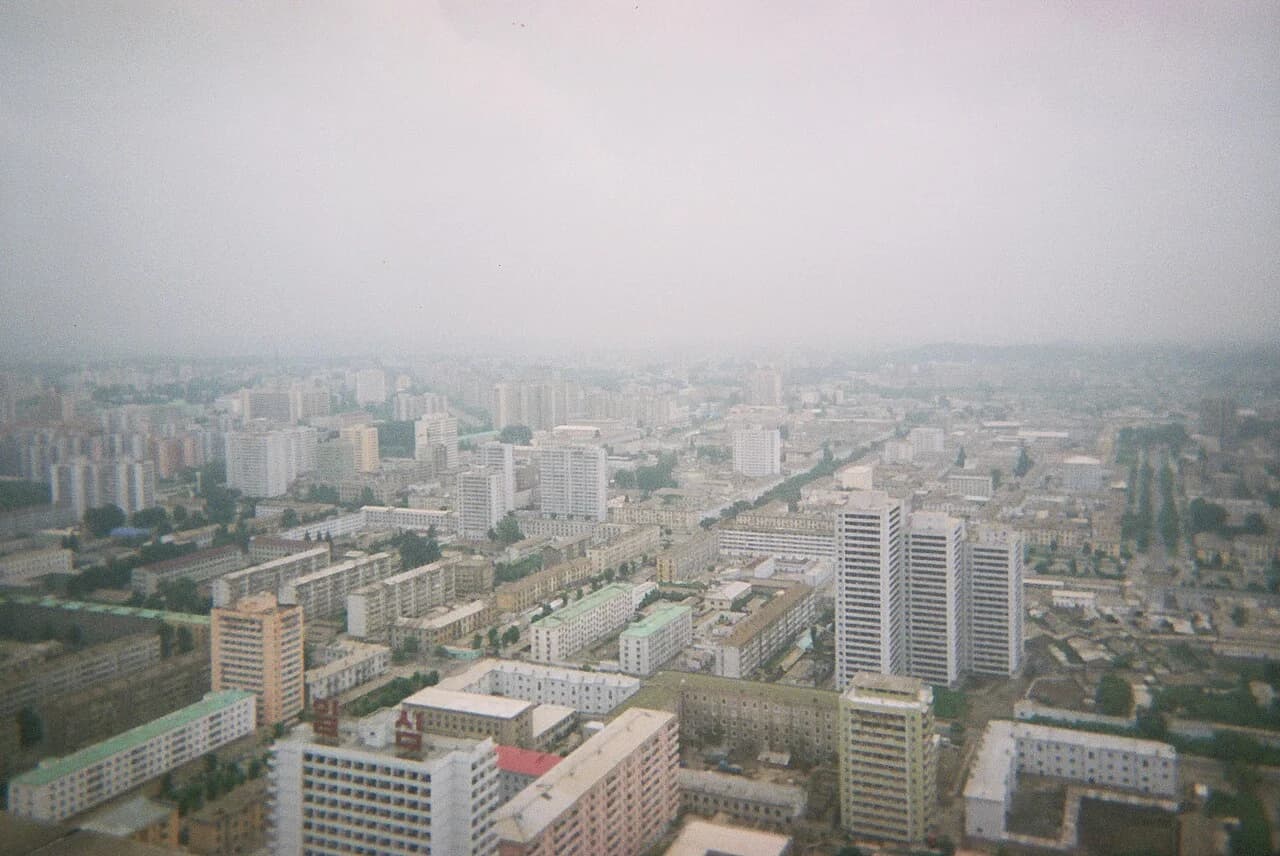
Photo source · Mannen av börd, CC BY-SA 3.0