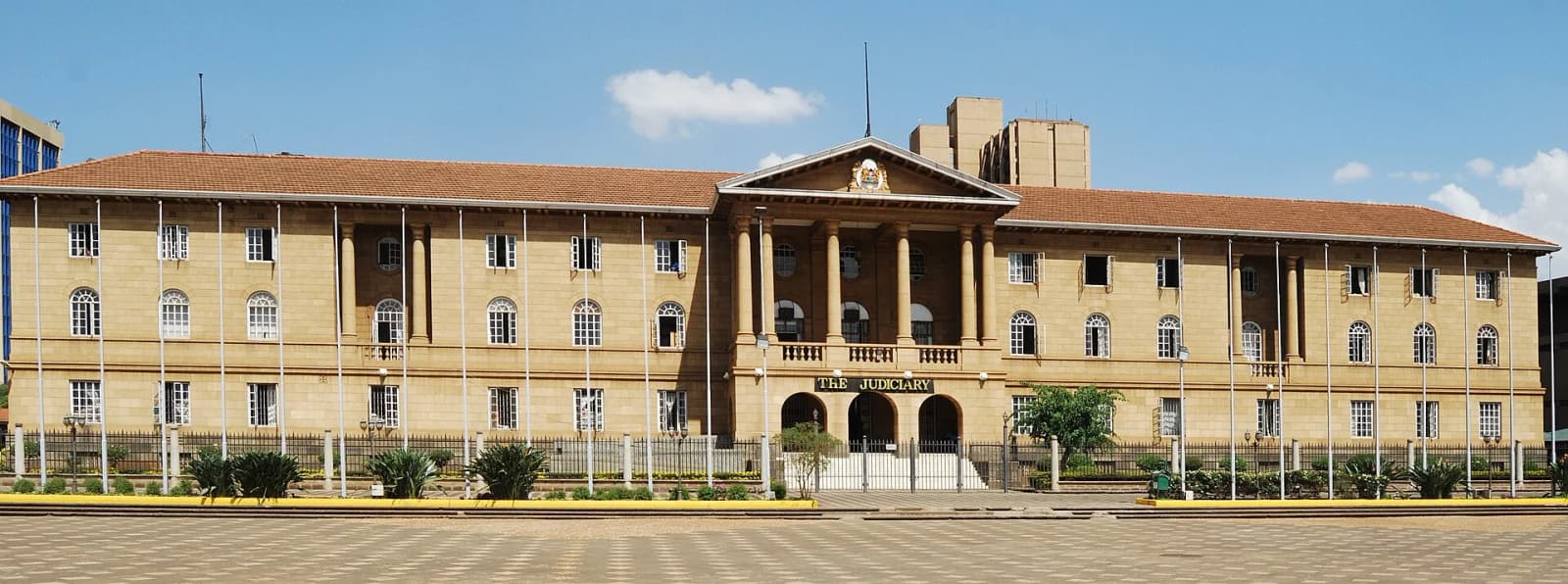
Kenya's High Court in Nairobi on 26 November 2026 ruled that the government acted unconstitutionally in setting up a United States-backed Ebola quarantine facility at Laikipia Air Base, and barred any further construction or operation at the site until the state discloses the full details of the project.
Justice Patricia Nyaundi delivered the judgment on consolidated petitions filed by the Katiba Institute, a Kenyan constitutional rights organisation, and the Law Society of Kenya (LSK). Attorney General Dorcas Oduor and Health Cabinet Secretary Aden Duale were named as respondents, according to Kenyans.co.ke.
What did the court decide?
The court found that the government failed the constitutional tests of public participation and access to information. It held that Mr Duale did not uphold the national values and principles of governance set out in Article 10 of Kenya's Constitution, and that the state breached Article 35(3), which requires the government to publish important information affecting the nation.
The facility was intended to house American nationals exposed to Ebola during regional response operations. Reports describe it as a field hospital and isolation centre inside the military base in Laikipia County.
What must the government disclose, and by when?
The government has 45 days to make the records public. Pulse Kenya reported that the orders cover:
- the full text of the Kenya-US agreement;
- approvals from Parliament, regulators and county governments;
- public health, environmental, biosafety and security assessments; and
- operating protocols for admitting, isolating and treating people exposed to the virus.
Until the court is satisfied that the government has complied, the Health Cabinet Secretary may not authorise any construction, modification or launch of the facility.
Justice Nyaundi said that emergencies may call for speed but do not suspend constitutional obligations, TRT World reported. She also made clear that the ruling did not question Kenya's cooperation with the United States or the government's power to respond to health emergencies, only whether the constitutional process had been followed.
How did the case reach this point?
The Katiba Institute went to court on 28 May 2026, hours before the facility was due to open, amid health concerns raised by residents of Laikipia. The court then issued interim orders and directed that the agreement be made public. In June 2026, it found Mr Duale in contempt after construction continued despite the freeze. Kenyan media reported that protests against the facility took place on 2 June 2026.
Reactions
Katiba Institute Executive Director Nora Mbagathi welcomed the judgment as a win for constitutionalism and transparency in public health, saying Kenyans should not be kept in the dark about decisions affecting their lives and health. None of the reports reviewed carried a response from the Kenyan government or the US government to the ruling.
Why it matters
The ruling comes as a large Ebola outbreak continues in the region. MapMyTimes earlier reported on Ebola responders being trapped by fighting in the Democratic Republic of the Congo's Ituri province. The Kenyan case tests how far governments can move on emergency health arrangements with foreign partners without consulting the public. For India, which has a large diaspora and growing trade and health ties in East Africa, regional Ebola preparedness and the legal checks on it are worth watching.
What happens next?
The work at Laikipia stays frozen. The government must place the required documents before the public, the petitioners and the court within 45 days, after which the court will decide whether the conditions for lifting the bar have been met. It is not yet known whether the government will appeal.
Photo source · Wing, CC BY-SA 3.0