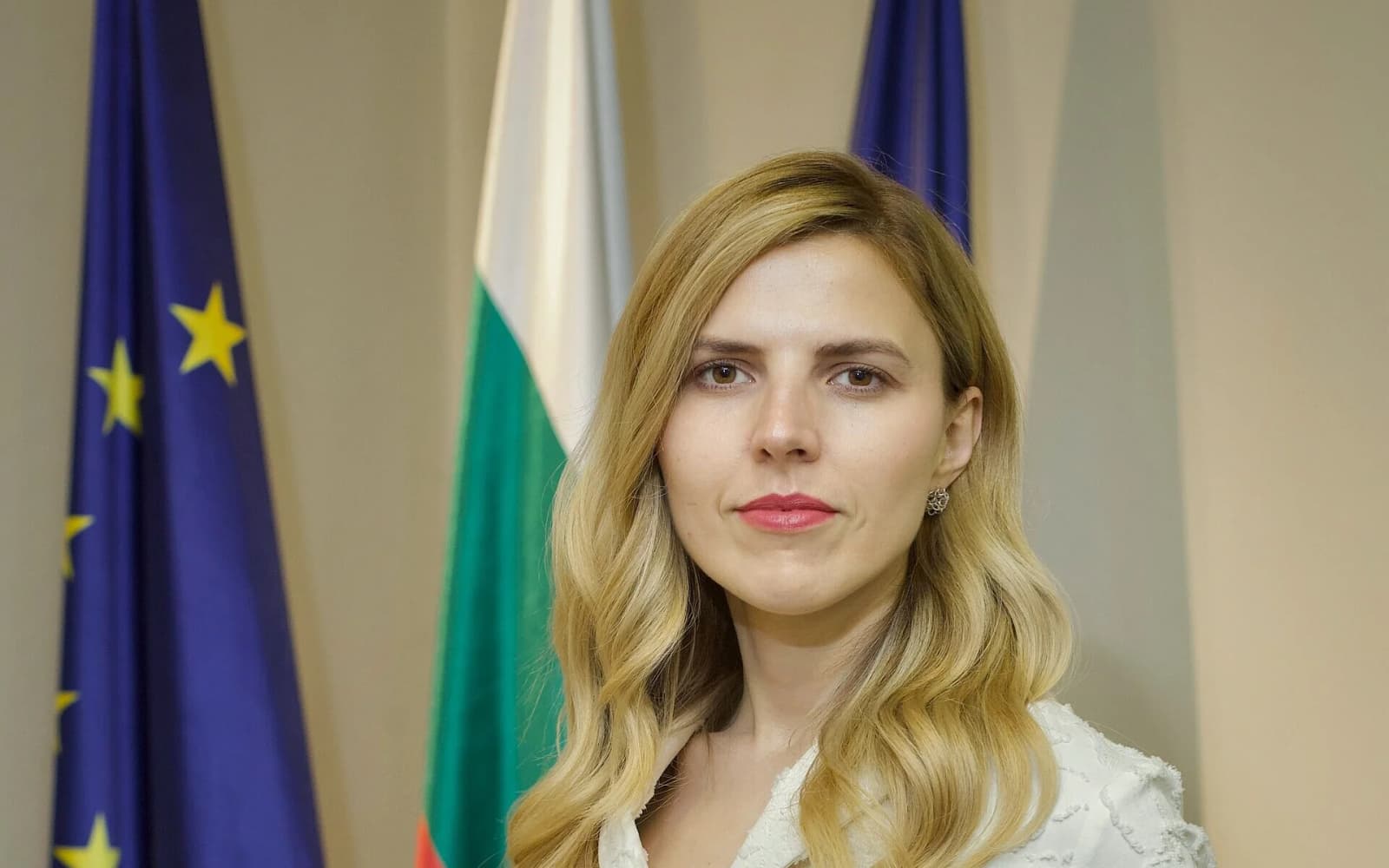
External Affairs Minister Dr S. Jaishankar held talks with Bulgaria's Minister of Foreign Affairs, Velislava Petrova-Chamova, in New Delhi on 21 November 2026, saying the India-European Union Free Trade Agreement, which he expects to come into force soon, will give fresh momentum to ties between the two countries.
Petrova-Chamova's visit is the first to India by a Bulgarian Foreign Minister in 17 years, according to the President's Secretariat. Jaishankar also thanked Bulgaria for helping bring home Indian seafarers from ships attacked in the Black Sea.
What did Jaishankar say about the India-EU trade deal?
He said the free trade agreement "will certainly provide new dynamism to the relationship", according to All India Radio's News On AIR. He said India wants to do much more with Europe in trade, technology and talent, and pointed to the India-EU Security and Defence Partnership and a mobility framework signed by the two sides.
In a post on X quoted by the news agency IANS, Jaishankar said the two ministers agreed that the trade agreement should be followed by "vigorous exchanges" between businesses in both countries. He said they reviewed cooperation in trade, connectivity, investment, technology, security and talent mobility, and also discussed the India-Middle East-Europe Economic Corridor (IMEC), the situation in the Black Sea and the conflict in Ukraine.
Areas of cooperation
Jaishankar recalled his own visit to the Bulgarian capital, Sofia, in June 2026, which he said gave "new energy and impetus" to the relationship. The ministers reviewed work in:
- trade and investment, and defence
- education, science and technology
- artificial intelligence and space
- tourism and mobility
IANS reported that the two sides had finalised a detailed roadmap for cooperation, which Jaishankar said would be approved during the visit. Its contents were not made public in the reports reviewed.
Why the Black Sea matters to India
Jaishankar thanked the Bulgarian government for supporting the repatriation of Indian seafarers from ships attacked in the Black Sea, and for looking after some crew members who were injured. The reports did not give the number of seafarers or name the vessels.
Speaking to IANS, as reported by DD News, Petrova-Chamova said the escalation in the Black Sea had "affected, unfortunately, some of the Indian crew members", and that Bulgaria had done its best in search and rescue and in protecting crews. She welcomed India's efforts to find a longer-term solution to the security situation there, saying this would help protect the movement of food grains, fertilisers and oil.
She called the India-EU trade agreement a major achievement and said it could open trade, business and investment opportunities for Bulgaria, which she described as a gateway to Europe.
Meeting with President Murmu
A day earlier, on 20 November, Petrova-Chamova called on President Droupadi Murmu at Rashtrapati Bhavan. In a statement from the President's Secretariat, Murmu said the visit would give fresh momentum to the partnership, and noted growing cooperation in trade, defence, education, science and technology, AI, space, mobility and people-to-people ties. She also thanked Bulgaria for its consistent support to India on multilateral platforms, including on reform of the United Nations Security Council.
What happens next
The next steps depend on the cooperation roadmap and on the India-EU trade agreement coming into force, for which no date was given in the statements. Neither side announced new agreements in the reports reviewed.
Photo source · Government.bg, CC BY 4.0 (cropped)