Drivers on the Chennai–Bengaluru stretch of NH-48 no longer have to stop at the Chennasamudram toll plaza in Tamil Nadu's Ranipet district. On 21 November 2026 the National Highways Authority of India (NHAI) made it the state's third plaza to use Multi-Lane Free Flow (MLFF) tolling, which MapMyTimes reported the same day. Barrier-free tolling is now spreading across India's highways, so here is how it works, what happens if a toll goes unpaid and what is still unclear.
What is Multi-Lane Free Flow tolling?
MLFF is a way of collecting highway toll without booths or boom barriers, so vehicles can drive through the tolling point at normal speed. According to the release issued through PIB Chennai on 21 November 2026, overhead gantries carry Automatic Number Plate Recognition (ANPR) cameras and FASTag/RFID readers. Together they identify each vehicle and take the toll electronically from the FASTag account linked to it.
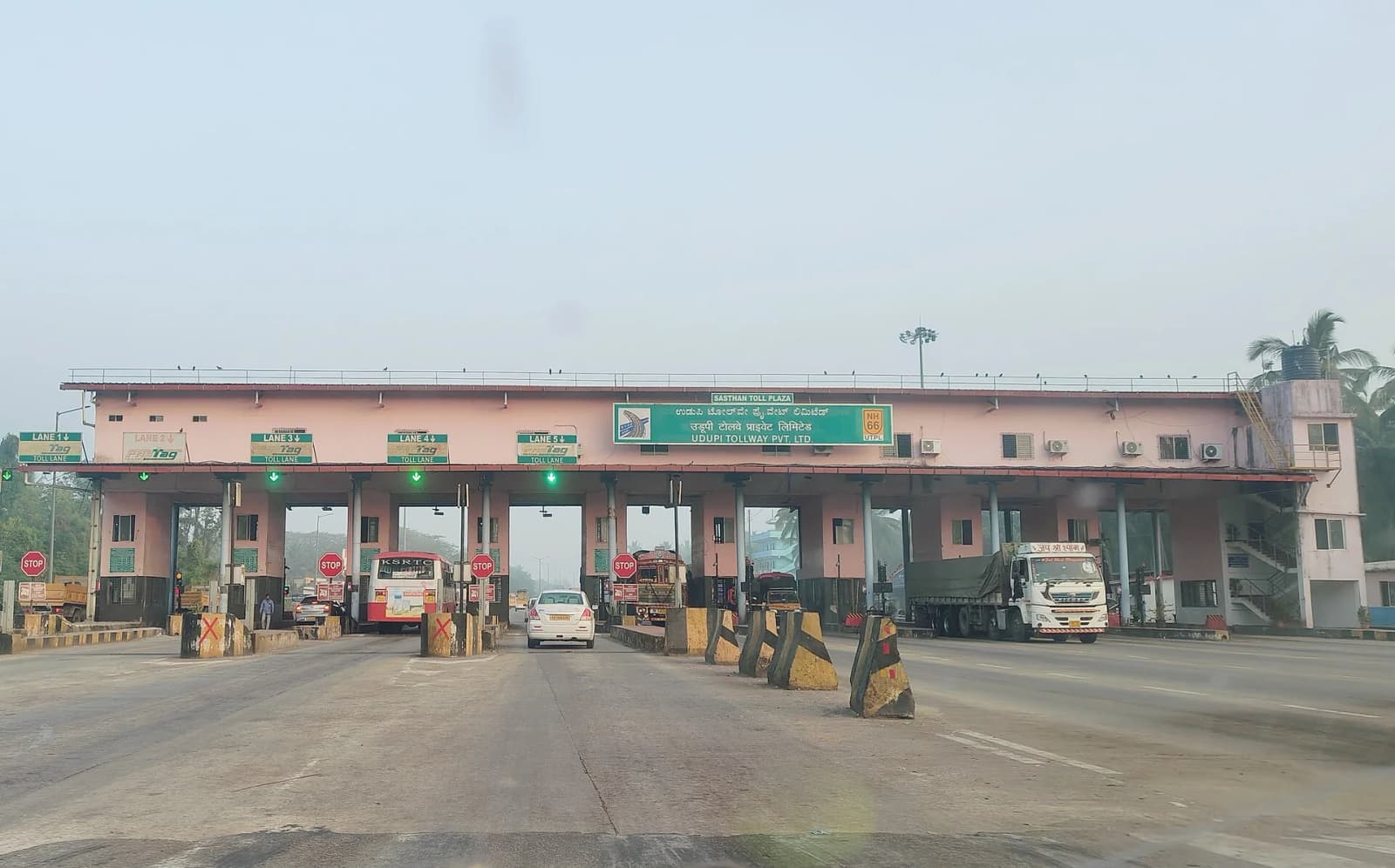
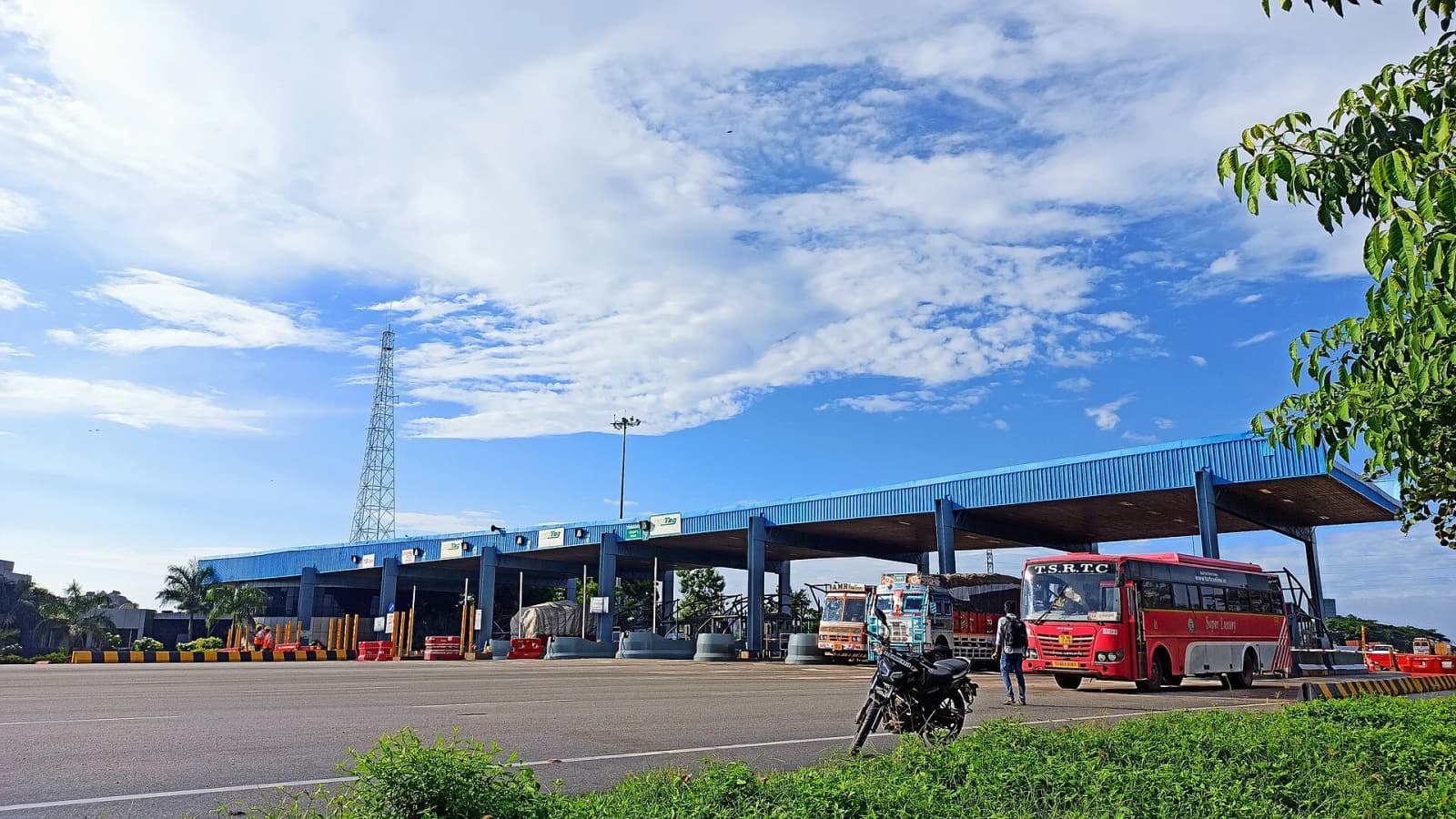
The release contrasts this with conventional plazas, where vehicles have to slow down or stop at physical booths and boom barriers. Under MLFF, vehicles pass through the tolling zone without stopping.
Why is it in the news?
It is in the news because NHAI switched on MLFF at the Chennasamudram Toll Plaza, on the Karaipettai–Walajahpet section of NH-48, at 00:00 hours on 21 November 2026. The PIB release said 9,81,450 vehicles crossed the plaza in October 2026, about 31,660 a day, according to the official vehicle passing report.
Tamil Nadu's first MLFF system started at the Paranur Toll Plaza in October 2026, and the Nemili Toll Plaza followed, the release said. Chennasamudram is the third. NHAI says it is bringing MLFF to National Highways across the country in phases.
How did barrier-free tolling start in India?
The first MLFF plaza went live at Choryasi on NH-48 in Gujarat on 1 May 2026, according to an Autocar Professional report of 17 August 2026 that cited a Crisil Intelligence study. That report said six MLFF plazas were running by 1 August 2026: Choryasi, Mundka in Delhi, and Daulatpura, Gharaunda, Manoharpura and Shahjahanpur.
The same report gave these figures for the first three months:
- More than 1.1 crore vehicle transactions and over ₹147 crore in toll collected across the six plazas.
- About 94% of the revenue came through normal electronic toll collection. E-notices brought in about ₹9.2 crore.
- About 10% of vehicles had a payment failure, and roughly 10.5 lakh e-notices were issued.
- 17 plazas are in the first phase. NHAI has invited bids for 104 more, which would make 121 MLFF sites in all.
Those 121 sites would still be only about 10–11% of the more than 1,150 physical toll plazas now in use, the report said. Most highway users will keep using booth-based plazas for some time.
What is an E-Notice, and what happens if you don't pay?
An E-Notice is an electronic demand for toll that was not collected when your vehicle passed an electronic tolling point. It is set out in the National Highways Fee (Determination of Rates and Collection) (Second Amendment) Rules, 2026, which came into effect on 17 March 2026. According to the NHAI press release of 18 March 2026:
- A notice goes to the registered owner and gives the vehicle details, the date and place of passage, and the amount due. It can arrive by SMS, email, a mobile app or other electronic means, and it is also shown on a designated online portal.
- If you pay within 72 hours of the notice, you pay only the normal toll.
- After 72 hours, the unpaid fee due is twice the applicable toll.
- If you think the notice is wrong, you can file a representation on the portal within 72 hours. It must be decided within five days. If it is not, the claim lapses.
- If the amount is still unpaid after 15 days and no representation is pending, it is recorded in the VAHAN vehicle database. Restrictions may then be placed on vehicle-related services until you pay.
How does it affect you?
For most drivers, the main change is that a working FASTag with enough balance now matters more than ever. NHAI's 21 November release says users must keep a functional FASTag with sufficient balance to avoid an E-Notice. In practice, that means:
- Check that your FASTag is active, linked to the right vehicle and topped up before a trip, especially on routes with MLFF plazas.
- Keep your vehicle registration details current, because notices go to the registered owner.
- Watch for messages after a highway trip. Paying within 72 hours avoids the doubled charge.
- If a notice looks wrong, use the 72-hour window to file a representation instead of ignoring it.
NHAI says MLFF makes tolling more transparent, saves the cost of building and running physical plazas, and lets traffic move without stopping at busy points like Chennasamudram.
What is established, and what is still unclear?
The legal framework is established. The 72-hour window, the double charge, the five-day grievance deadline and the VAHAN link are all in the amended rules described in NHAI's March release. The Chennasamudram switch-over and its traffic figures come from the official 21 November release.
Some things are less clear. The national figures above come from a private research study as reported by a trade publication, not from an NHAI dataset, and they cover only the first three months. NHAI's 21 November release did not say how many plazas now use MLFF nationwide or how many lanes the Chennasamudram gantries cover. It also did not say how often camera or tag reads fail there, or which Tamil Nadu plaza will be converted next. A failure rate of about 10% in the early months suggests some drivers will get notices, so how quickly the grievance portal resolves disputes will matter.
What happens next?
NHAI will keep converting plazas in phases. According to the August report, it has invited bids for 104 more sites beyond the first 17. Drivers on the converted stretches should expect more E-Notices to be issued electronically and more enforcement through the VAHAN database. MapMyTimes will update this explainer when NHAI publishes a national count of MLFF plazas or data on E-Notice disputes.
Photo source · Chanduclicks, CC BY-SA 4.0