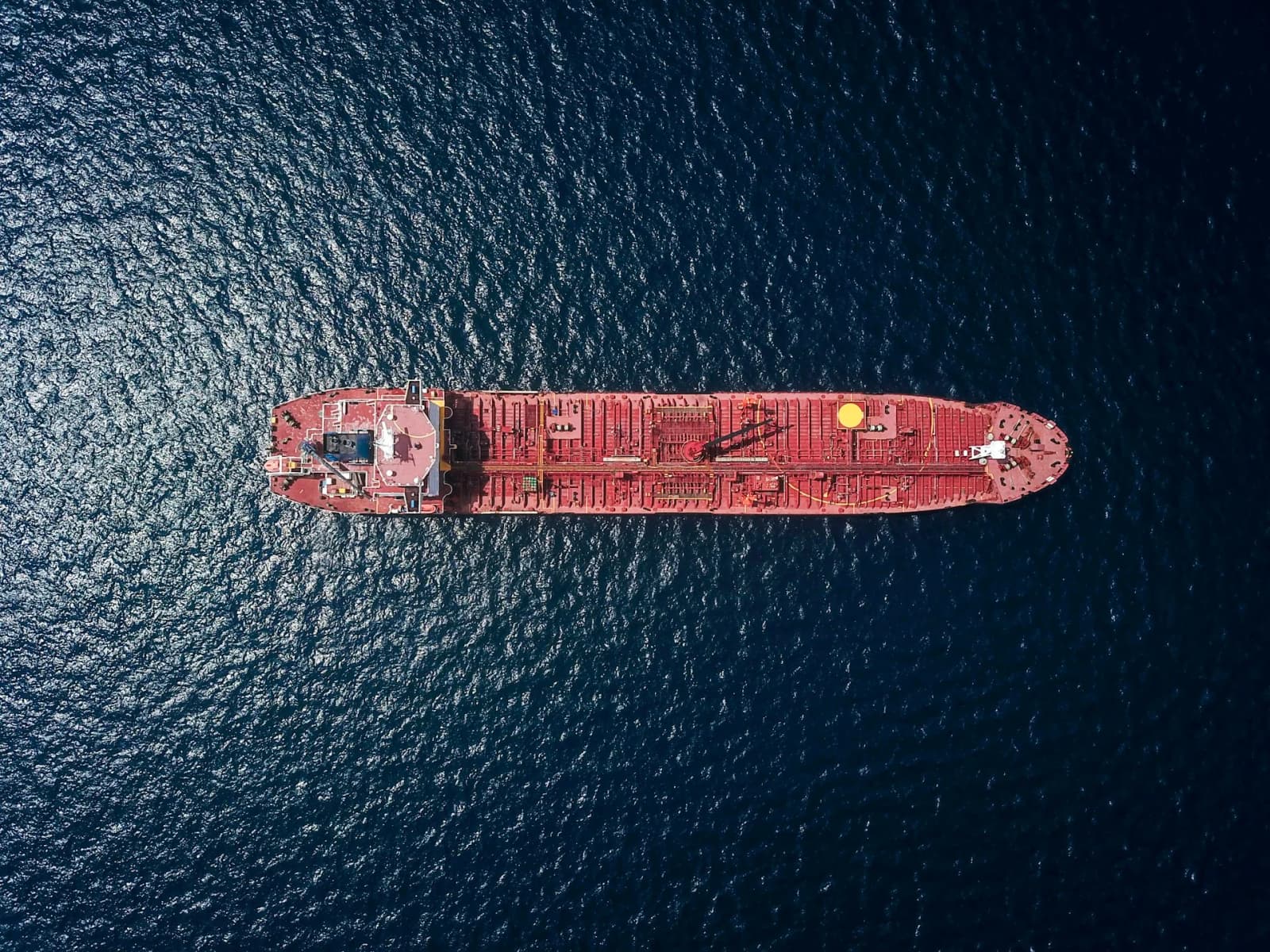
Iran's Revolutionary Guards say two more oil tankers exploded and caught fire after striking naval mines in the Strait of Hormuz, and Iran's navy reported a further tanker fire on Saturday morning, 14 November. None of the claims has been independently verified, and no ship has been named.
What Iran is claiming
In a statement carried by Iranian state media, the navy of the Islamic Revolutionary Guard Corps (IRGC) said two tankers, one of them a supertanker, were hit while trying to cross the strait by what it called an "unauthorised" route. The Guards said both vessels had switched off their radar, navigation and automatic identification systems. They warned that any ship crossing without coordinating with their traffic-control centre would meet the same fate.
Azerbaijan's APA news agency, citing Iran International, reported that two other tankers attempting a similar passage turned back after receiving IRGC warnings. The Guards gave no details of casualties, damage, cargo or the flags of the ships.
Separately, Iran's regular navy said an oil tanker caught fire on Saturday morning after hitting a mine in the eastern part of the strait. Reuters, as quoted by The Jerusalem Post, said it could not immediately verify that report, and no casualties were mentioned.
A pattern of unverified claims
The latest statements follow a string of similar Iranian claims this autumn. In mid-October, the IRGC said two tankers carrying about two million barrels of crude caught fire after hitting mines. On 1 November it said two more tankers had exploded, with a supertanker "engulfed in flames"; the same day the UK Maritime Trade Operations (UKMTO) centre reported that a tanker in the strait had been struck by an unknown projectile. Earlier this month the Guards also said four tankers had been destroyed on a prohibited route south of the strait and two other vessels seized.
On 11 November, UKMTO said it had received a report from military authorities of an incident involving a tanker in the strait, but said the crew's condition, the extent of damage and any environmental impact were unknown.
Tehran has imposed restrictions on ships seeking to transit the waterway and says it is stepping up attacks in response to a US naval blockade of its ports and tougher sanctions. The latest claims came a day after the UN Security Council met on 13 November to discuss maritime security in the Gulf, with threats to Hormuz shipping on the agenda, according to UN News.
Why it matters for India
The strait is a key route for Gulf energy cargoes, and Indian crews are a large part of the global merchant fleet. In July, India's Directorate General of Maritime Administration ordered ship owners, ship managers and seafarer recruitment agencies not to deploy Indian seafarers on vessels sailing through the Strait of Hormuz "until further orders", IANS reported at the time. It told masters in the region to stay on heightened alert, follow navigational warnings and contact the directorate's communication centre or the Indian Navy's Information Fusion Centre for the Indian Ocean Region (IFC-IOR) in an emergency.
In early November, the shipping regulator again urged Indian seafarers to exercise caution in Iranian waters, according to trade publication Indian Seatrade News. However, DGMA Circular 47 of 5 August 2026 expressly superseded the 15 July circular. It requires precautions for Hormuz voyages, notification to DGComm and each Indian seafarer's consent.
What to watch
Shipping firms and insurers will be watching for confirmation from UKMTO, flag states or ship owners about which vessels, if any, were hit, and whether any crew members were hurt. Without such confirmation, the scale of the latest incidents remains uncertain.
This report is based on claims by Iranian military bodies that could not be independently confirmed at the time of writing.