The Insurance Regulatory and Development Authority of India (IRDAI) has fined Star Health and Allied Insurance Company ₹2 crore for rejecting health claims on grounds the policy did not support, including Covid-19 hospitalisation claims, and for cutting claim payouts without justification. The final order, signed in Hyderabad, Telangana, on 20 November 2026 by IRDAI Members Deepak Sood (Non-Life) and Rajay Kumar Sinha (Finance and Investment), was reported on 21 November.
The case goes back to a general inspection of the insurer that the regulator carried out between 31 January and 11 February 2022. IRDAI issued a show-cause notice on 4 December 2024 and gave the company a personal hearing on 18 June 2025.
What did IRDAI find wrong with Star Health's claim handling?
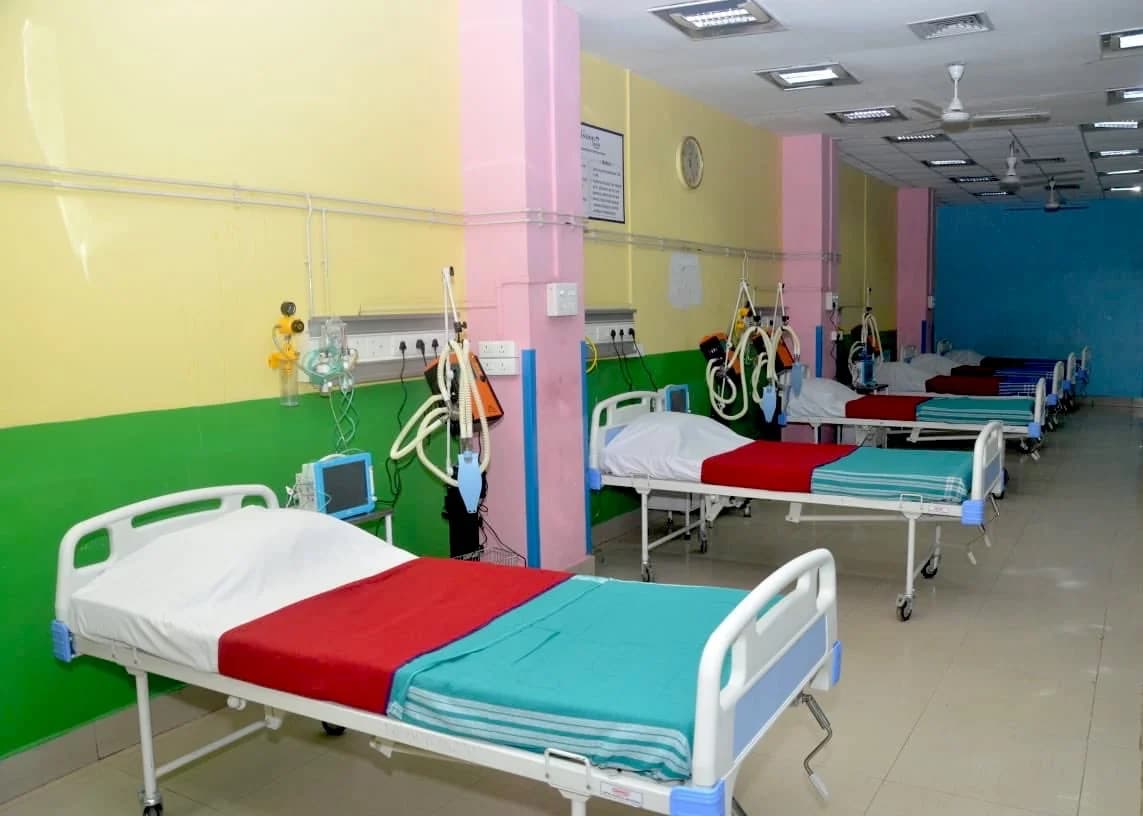
The regulator found that Star Health turned down claims of patients who had been admitted to hospital on the advice of their treating doctors, arguing that they could have been treated at home. According to the order, the insurer cited Covid-19 guidelines from AIIMS New Delhi and the Union Health Ministry to tell some policyholders they needed only home isolation. IRDAI said the company could not justify those decisions and held that it had breached Regulation 27(v) of the IRDAI (Health Insurance) Regulations, 2016. It imposed a penalty of ₹1 crore on this count under Section 102 of the Insurance Act, 1938.
A second penalty of ₹1 crore was imposed for deductions from claims. The order says the inspection team found, in sampled claims, amounts cut from settlements that the policy terms did not back, and that the insurer reconsidered several of these only after inspectors flagged them. The regulator also found that claimants were not properly told why amounts were reduced or which policy condition was used to reject a claim.
What else did the regulator flag?
IRDAI cautioned Star Health on three more lapses but did not fine it for them:
- collecting renewal premiums more than 90 days before some policies were due, which the insurer said was caused by a technical issue that has since been fixed;
- not giving complainants the name and address of the Insurance Ombudsman they could approach if unhappy with the company's reply;
- not ensuring that discounts agreed with network hospitals appeared on hospital bills and were made known to policyholders.
The regulator said it had taken on record the corrective steps the insurer reported on the Ombudsman details. One further charge, relating to corporate governance guidelines, was not pressed.
What does Star Health have to do now?
The insurer must pay the ₹2 crore from its shareholders' account within 45 days of receiving the order, so the penalty does not come out of policyholders' funds. IRDAI has also directed it to issue claim settlement letters that list each allowed, disallowed, non-payable and discounted item separately, along with any reduction in the sum insured after a claim. The order has to be placed before the company's board, and an Action Taken Report must be filed within 90 days.
Star Health can appeal the order before the Securities Appellate Tribunal under Section 110 of the Insurance Act. MapMyTimes did not find a public response from the company by Saturday evening.
Why it matters for policyholders
The order makes clear that an insurer cannot overrule a treating doctor's decision to hospitalise a patient without a basis in the policy, and that every deduction must be explained in writing. Policyholders who believe a claim was wrongly rejected or reduced can first complain to the insurer and then approach the Insurance Ombudsman, whose details the company is required to share.
Photo source · AnjanBorah, CC BY-SA 4.0