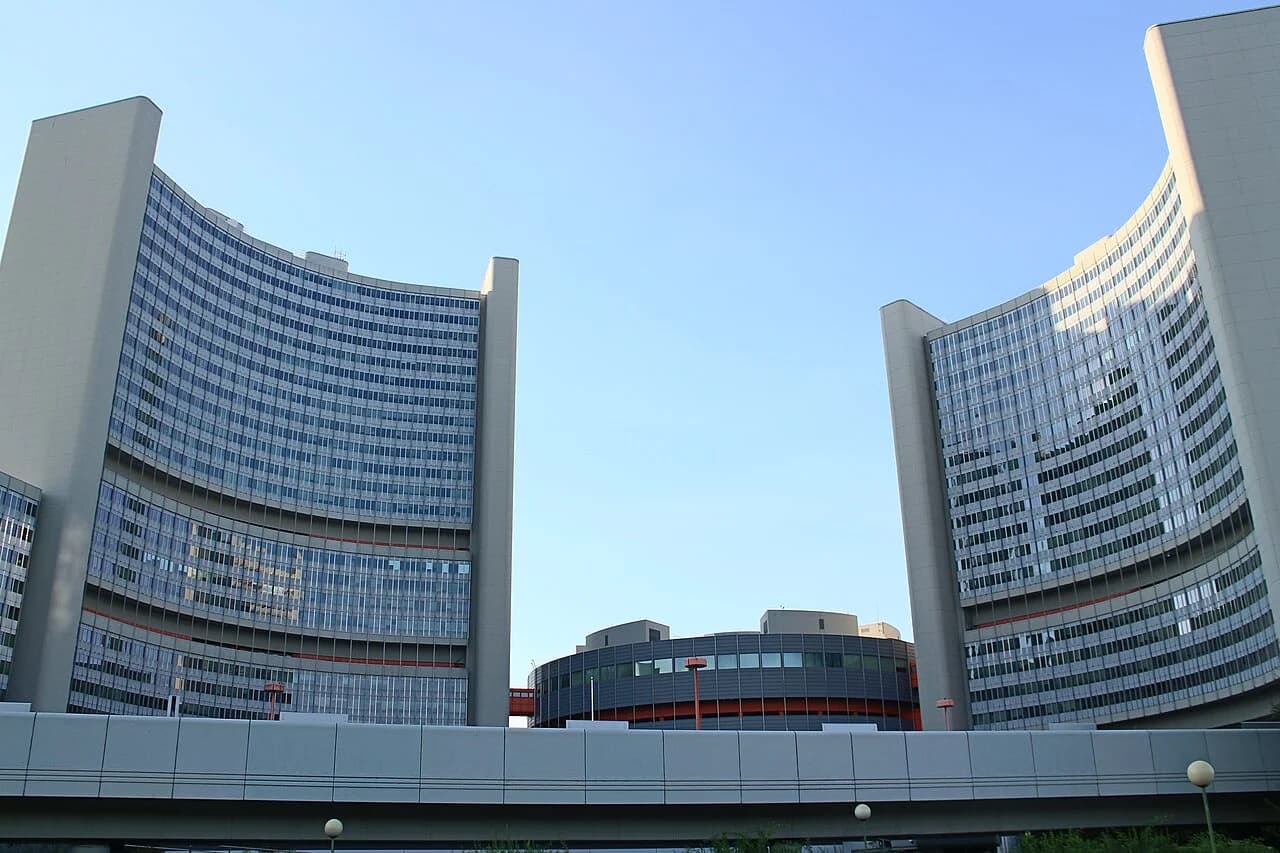
Iran has told the International Atomic Energy Agency (IAEA) that talks on bringing UN nuclear inspectors back cannot go ahead while it faces military threats. Iran's position is described in a confidential IAEA report that went to member states in Vienna on Friday, 13 November. The Associated Press saw the report.
The agency said in the report that the lack of information about Iran's nuclear sites and material is a "matter of proliferation concern" that needs urgent attention.
What Iran told the agency
According to the AP, Iran pointed to what it called "persistent, explicit, and public threats" from the US president to carry out further armed aggression, especially against its nuclear facilities. Tehran said the situation would not be resolved until the "root causes" were dealt with and the "essential requirements" for normal safeguards were restored.
Iran also said it remained firmly committed to meeting its safeguards obligations in full once legal and practical conditions allow. It separately raised with the agency a recent US offer of up to $20 million for information about its nuclear programme, and stressed the need for confidentiality and for protecting information from misuse.
The IAEA's response
The agency said it was ready to resume its safeguards work in Iran at short notice. It urged Tehran to consider "technical and gradual measures" that would let inspectors return.
The report also voiced growing concern about the Isfahan Fuel Enrichment Plant. Iran first told the agency about this site in June 2025. Inspectors had planned to visit, but the trip was called off on the day the strikes began. The IAEA says it still does not know the plant's exact location or whether it holds any nuclear material.
A large stockpile nobody can check
The report says Iran has 440.9 kilograms of uranium enriched up to 60 per cent purity. Weapons-grade uranium is enriched to about 90 per cent. IAEA guidelines normally call for highly enriched material to be verified every month. The agency has not been able to confirm the status of this stockpile since the bombing in June 2025.
IAEA Director General Rafael Grossi told the AP last year that the stockpile could be enough for as many as 10 nuclear bombs if Iran chose to build them. He added that this did not mean Iran had such a weapon.
Since June 2025 the agency has inspected only one facility in Iran: the Bushehr nuclear power plant, which it visited from 12 to 15 September. That reactor runs on Russian uranium enriched to 4.5 per cent, a low level used for power generation.
How things got here
In June 2025, Israel and the United States fought a 12-day war with Iran that included airstrikes on nuclear sites. Much of the programme was damaged, though the full extent is still unclear. Iran has not allowed inspectors into the sites that were hit. On 28 February 2026, the US and Israel launched further strikes that killed Supreme Leader Ayatollah Ali Khamenei and other senior officials.
Iran says its nuclear programme is peaceful. The IAEA and Western governments say Tehran ran an organised weapons programme until 2003.
Why it matters
Inspectors are the outside world's main way to track Iran's enriched uranium. Without them there is no independent check on where the material is or what is happening to it, at a time of open hostility in the Gulf. The report came the same week that the US said it had intercepted Iranian drones heading for Bahrain. There is no sign of a deal: oilprice.com, reporting on the IAEA findings, said Washington and Tehran were "nowhere near" one.
What happens next
Iran's nuclear file is on the agenda of the IAEA Board of Governors when it meets in Vienna next week. No inspections or new talks have been announced. The agency says it is ready to go back at short notice, and Iran says it will cooperate fully only when conditions allow.
PS · Suicasmo, CC BY-SA 4.0