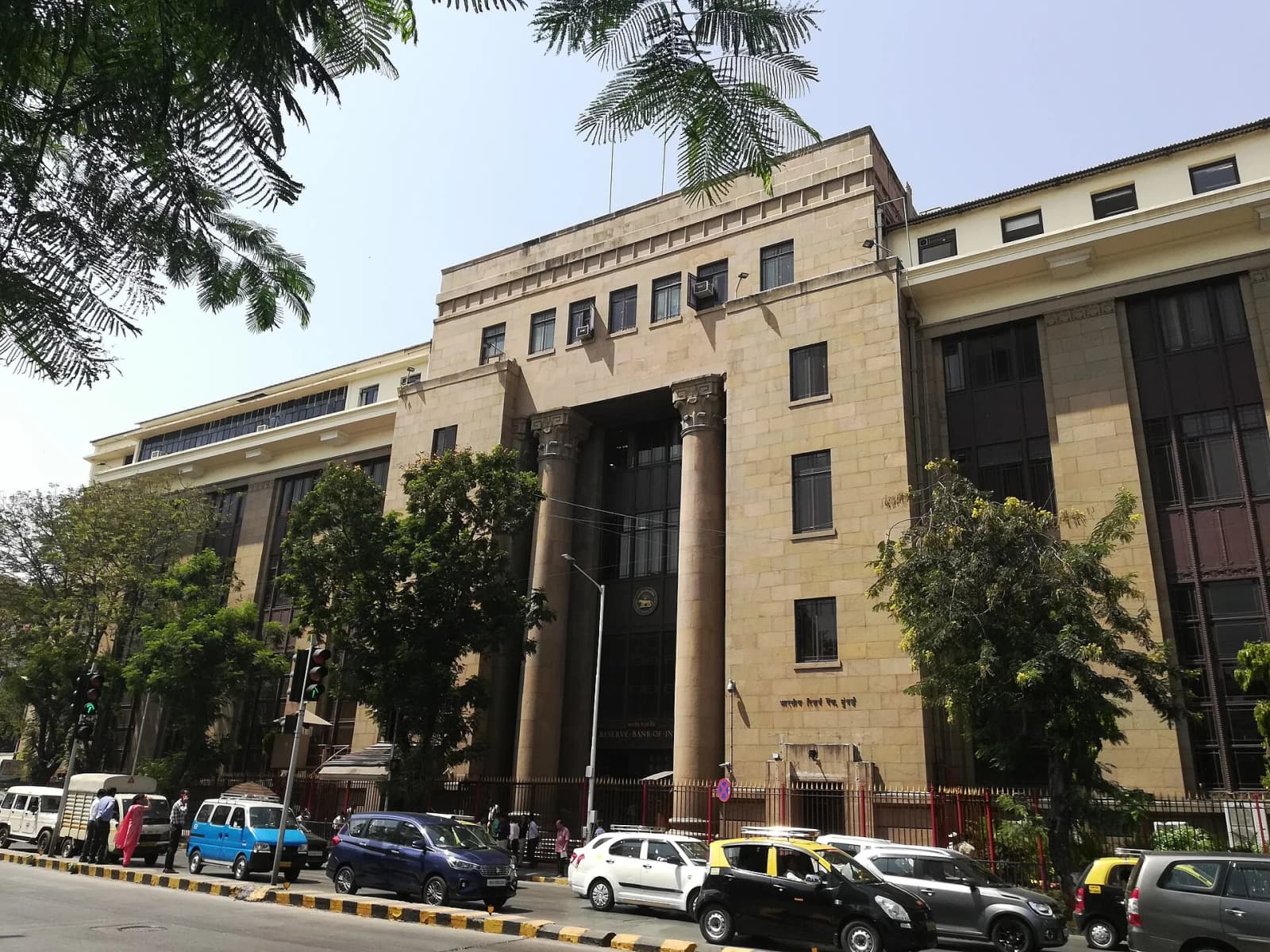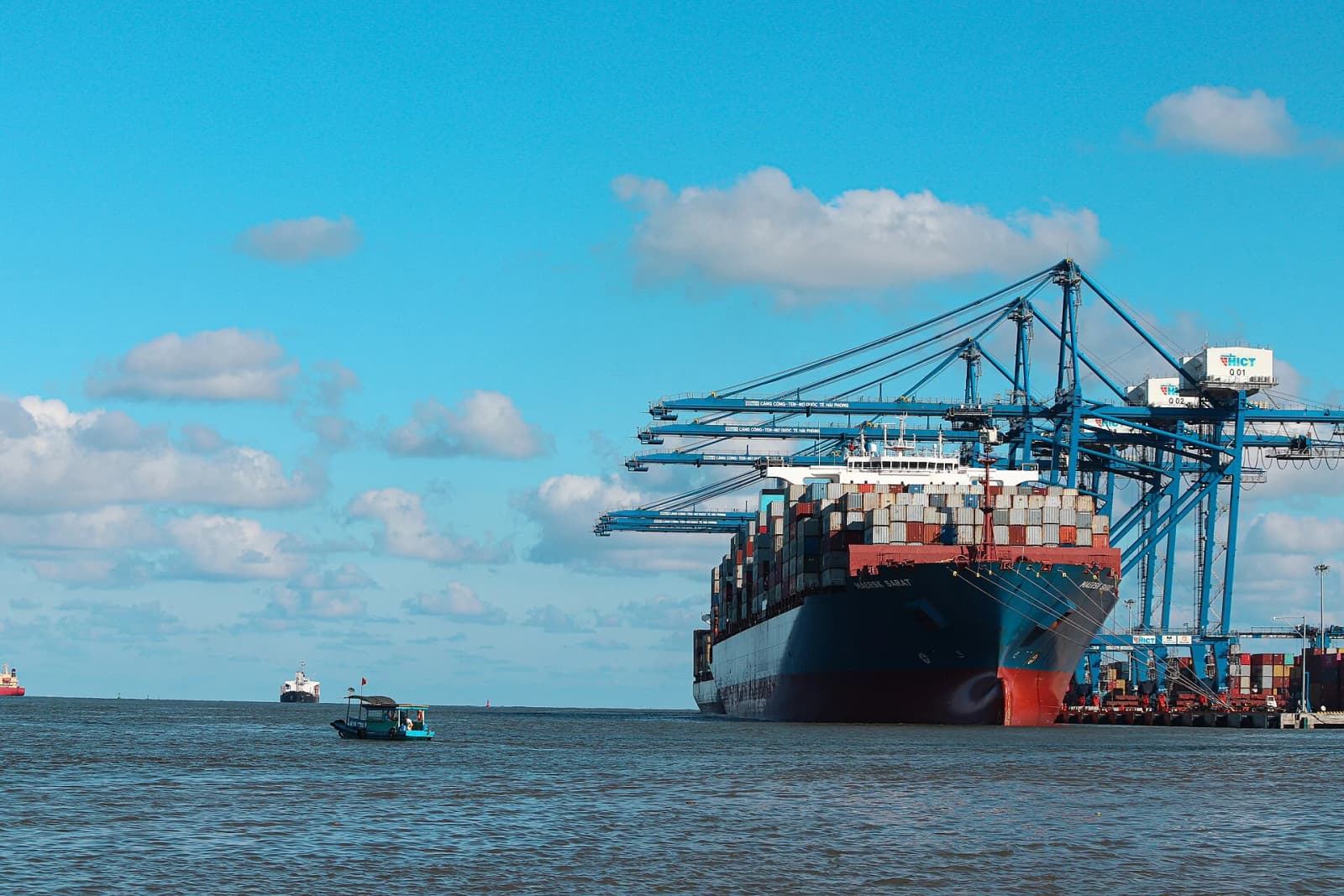
New Delhi on November 25, 2026, dismissed US claims that India maintains structural excess industrial capacity in any sector, responding to a fresh determination issued by the Office of the United States Trade Representative (USTR). The USTR action, unveiled by Trade Representative Jamieson Greer as part of Section 301 probes into 14 trading partners, proposes duties of up to 25% on Indian imports—the second-highest rate among the targeted economies after Vietnam's 35%—unless a bilateral deal lowers the cap to 17%.
India Committed to Early Bilateral Trade Agreement
In an official statement, the Ministry of Commerce and Industry confirmed it is examining the USTR Notice of Determination and Request for Comments while maintaining that India engaged constructively throughout the investigation. The Department of Commerce reiterated that trade concerns belong within ongoing negotiations for the India-US Bilateral Trade Agreement, launched in February 2026.
Under the USTR order, the proposed 25% rate would be net of existing 10% Section 301 tariffs linked to forced-labour reviews and separate from 50% Section 232 duties on steel and aluminium, though final adjustment mechanics remain at the USTR's discretion.
Competitive Edge Question and GTRI Assessment
If a reciprocal trade pact brings India's tariff down to 17%, New Delhi would sit just below the 18% deal rate proposed for Bangladesh, Indonesia, Malaysia, Thailand, and Cambodia, and 3 percentage points below the 20% deal rate offered to Vietnam and China. Trade think tank Global Trade Research Initiative (GTRI), however, cautioned that the dual-rate structure revives reciprocal tariff pressure under Section 301 to extract unilateral concessions.
Indian officials signalled that talks will continue toward an early conclusion of the trade agreement consistent with the February 2026 joint framework.