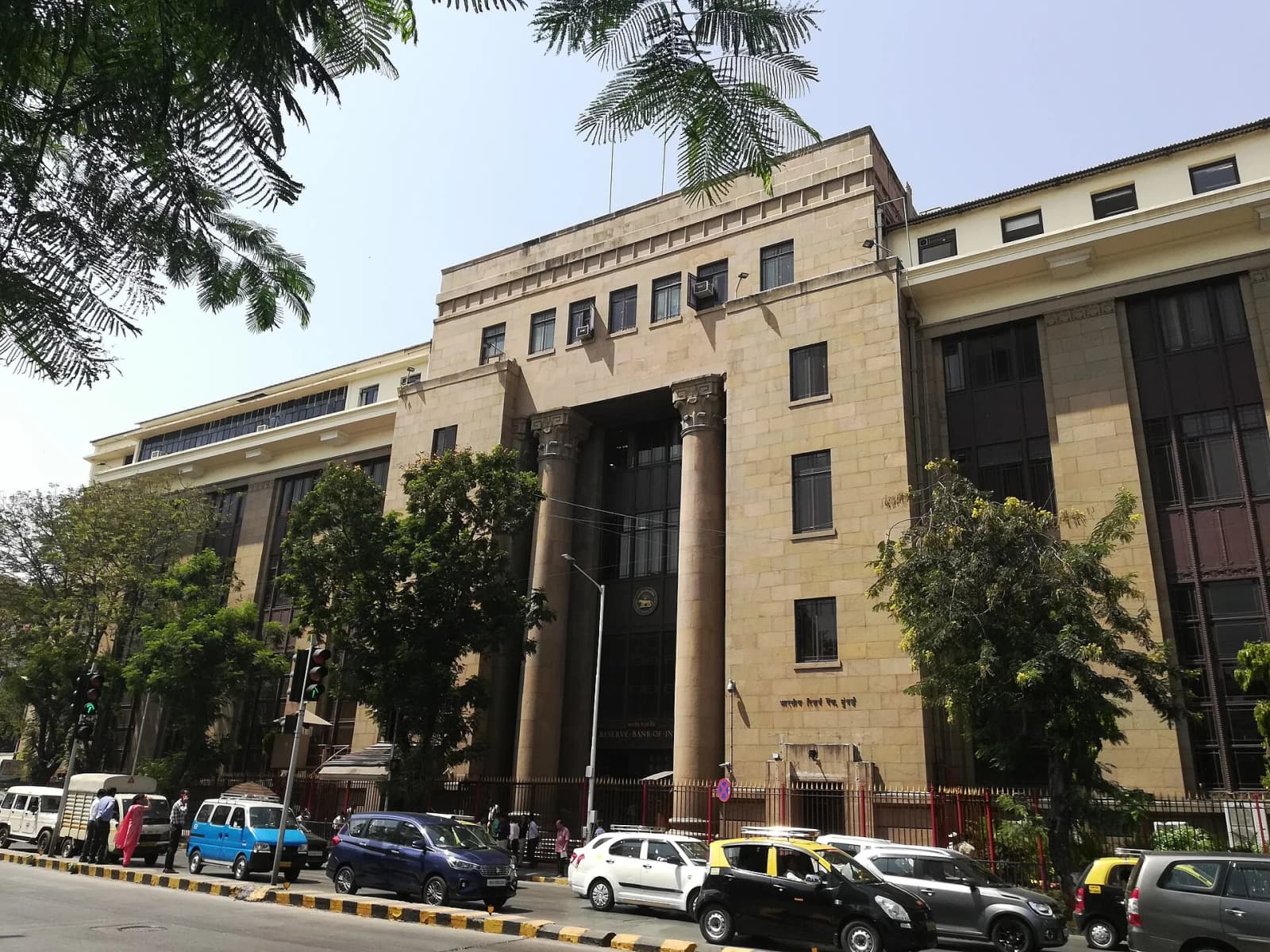
The Reserve Bank of India (RBI) repatriated approximately 60 tonnes of gold to domestic vaults between April and September 2026, raising the share of its gold holdings stored inside India to roughly 84 percent, according to the central bank's 47th Half-Yearly Report on the Management of Foreign Exchange Reserves released on Wednesday, November 25, 2026.
Data for the period ended September 30, 2026 show that the RBI's domestic gold stock rose to 740.13 metric tonnes from 680.05 metric tonnes at the end of March 2026. Out of an unchanged total reserve of 880.52 metric tonnes, the remaining 140.39 metric tonnes continued to be held in safe custody overseas with the Bank of England and the Bank for International Settlements (BIS).
Gold Share in Total Reserves and Global Prices
Despite bringing more bullion back to India, gold's weight in the overall foreign exchange portfolio declined in US dollar value terms from 16.70 percent at end-March 2026 to about 14.38 percent at end-September 2026. The RBI attributed the shift to a roughly 9 percent pullback in international gold prices—which slipped from an average of $4,721 per troy ounce in April 2026 to $4,319 in September 2026—amid rising US Treasury yields, a firmer dollar, and tighter monetary policy expectations during heightened West Asia geopolitical tensions.
Forex Reserves Climb by $46.67 Billion
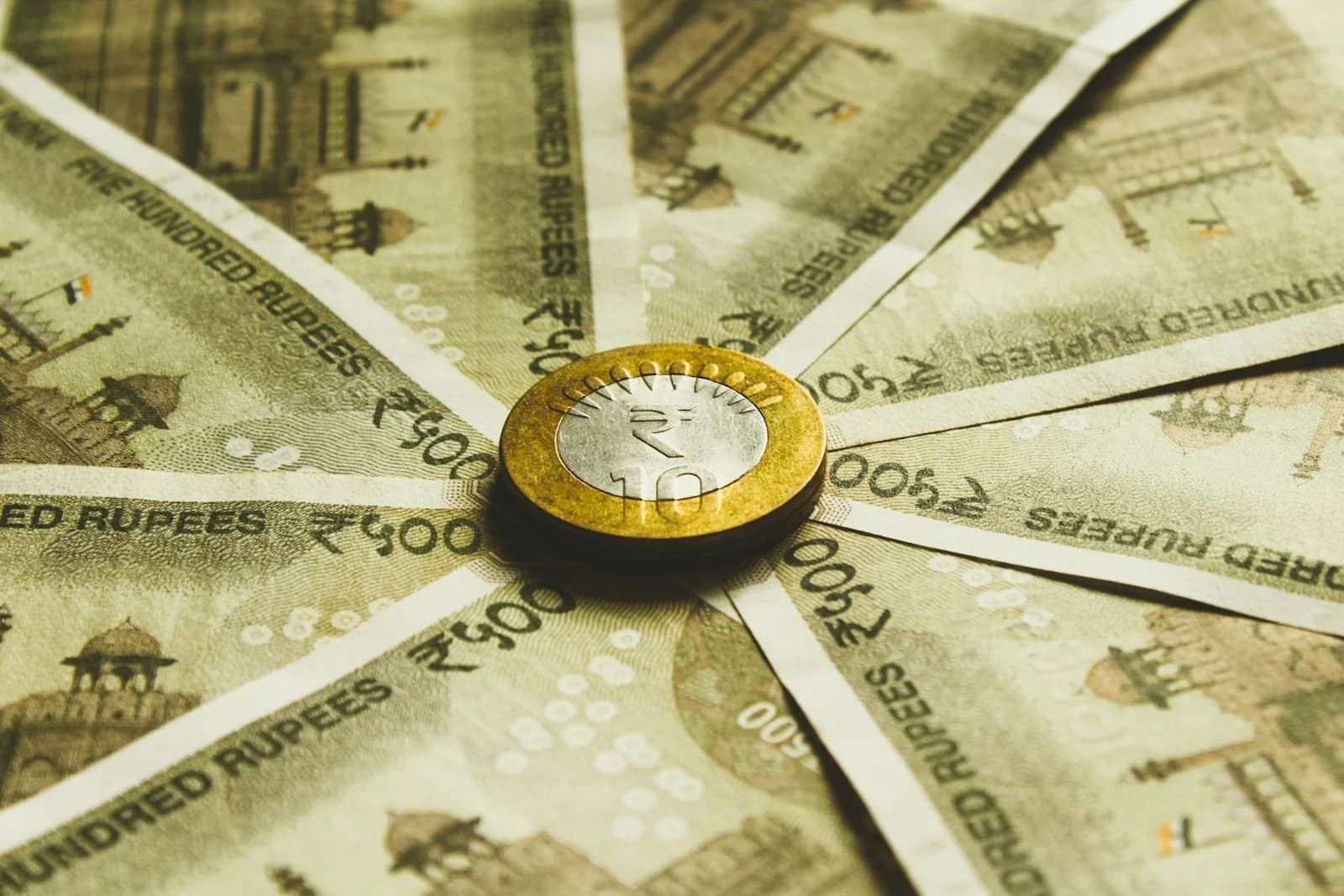
Over the same six-month window, India's total foreign exchange reserves expanded by $46.67 billion, rising from $691.11 billion at end-March 2026 to $737.78 billion at end-September 2026. Within $608.26 billion in foreign currency assets at September-end, $529.57 billion was invested in securities, $35.95 billion was placed with other central banks and the BIS, and $42.75 billion was held as deposits with overseas commercial banks.
The report also tracked global currency shifts, noting that the US dollar's share in global foreign exchange reserves edged down from 57.18 percent in the first quarter of 2026 to 56.70 percent in the second quarter, while the euro's share rose from 20.04 percent to 20.60 percent. Reaffirming its reserve strategy, the RBI stated that safety and liquidity remain its core objectives while seeking to optimise returns.
Photo: Anurag Vijay 03 / Wikimedia Commons (CC BY-SA 4.0)
Source: Reserve Bank of India | The Tribune