India produced a record 3,785.38 lakh tonnes of foodgrains in the 2025-26 crop year, according to final estimates released by Union Agriculture and Farmers' Welfare Minister Shivraj Singh Chouhan at a press conference in New Delhi on 26 November 2026. At the same briefing, the minister released the first advance estimates for the 2026-27 kharif season, putting kharif foodgrain output at 1,671.43 lakh tonnes despite a weak, delayed monsoon.
The figures were published in a Ministry of Agriculture and Farmers' Welfare release issued through the Press Information Bureau on the same evening.
How big is the 2025-26 harvest?
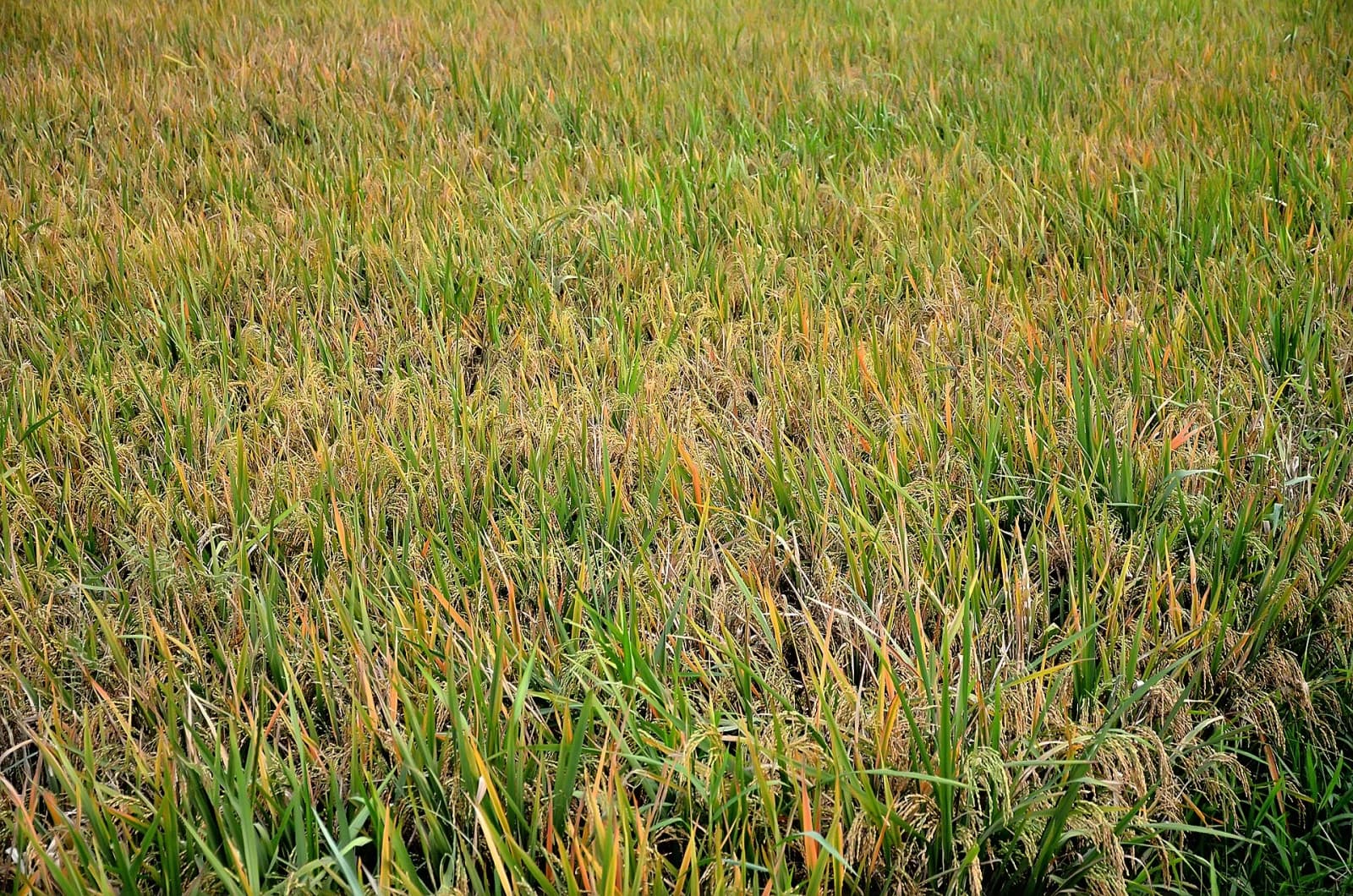
The 2025-26 foodgrain harvest is 208.06 lakh tonnes larger than the 3,577.32 lakh tonnes recorded in 2024-25, the ministry said. Rice rose to a record 1,551.54 lakh tonnes from 1,501.84 lakh tonnes, while wheat climbed to 1,220.64 lakh tonnes from 1,179.45 lakh tonnes.
Maize showed one of the sharpest jumps, rising from 434.09 lakh tonnes to 550.25 lakh tonnes. Nutri-cereals and coarse cereals together totalled 740.80 lakh tonnes, of which millets, branded by the government as "Shri Anna", accounted for 172.09 lakh tonnes.
Pulses and oilseeds
- Total pulses: 272.40 lakh tonnes, up 15.57 lakh tonnes, with moong at a record 43.96 lakh tonnes, gram at 125.13 lakh tonnes and tur (arhar) at 35.99 lakh tonnes.
- Total oilseeds: a record 432.55 lakh tonnes, against 429.89 lakh tonnes a year earlier.
- Groundnut: a record 131.71 lakh tonnes; rapeseed and mustard: a record 137.66 lakh tonnes; soybean: 126.36 lakh tonnes.
- Sugarcane: 5,037.29 lakh tonnes; cotton: 280.06 lakh bales of 170 kg each.
What do the kharif 2026-27 estimates show?
The first advance estimates put kharif 2026-27 foodgrain production at 1,671.43 lakh tonnes, which the ministry said is 97.67 lakh tonnes above the average kharif output of the previous five years. Chouhan said sowing this year was hit by the return of El Niño, a delayed monsoon in June and rainfall 35 to 40 per cent below normal, with low soil moisture and drought-like conditions in Maharashtra, Karnataka, Telangana and Andhra Pradesh affecting paddy, maize, tur, soybean and cotton.
Kharif rice is estimated at 1,219.05 lakh tonnes and nutri-cereals and coarse cereals at 381.05 lakh tonnes, including 260.64 lakh tonnes of maize and 89.43 lakh tonnes of bajra. Kharif pulses are projected at 71.32 lakh tonnes and kharif oilseeds at 239.47 lakh tonnes, led by groundnut (111.68 lakh tonnes) and soybean (102.44 lakh tonnes). Kharif sugarcane is projected at 4,543.39 lakh tonnes.
Why does it matter for food supply?
The minister said India has adequate rice and wheat stocks and that rice exports have grown by 5 per cent, with basmati reaching buyers in the United States, Canada and the Middle East. With a surplus in the two main cereals, he said, the government's focus has moved to crop diversification and self-reliance in pulses and edible oils, where rising domestic demand keeps the country dependent on imports. The National Pulses Mission and National Oilseeds Mission are the main vehicles for that push, according to the release.
The production numbers come as households face higher food bills; MapMyTimes earlier reported that the average cost of a thali has risen 16 per cent in under ten months.
Are the kharif numbers final?
No. The ministry described the 2026-27 kharif figures as preliminary. They will be revised in the second and final estimates once actual yields from crop-cutting experiments at harvest are available. Both sets of estimates were compiled from state and Union Territory data, remote sensing, the weekly Crop Weather Watch Group, the Digital Crop Survey and the Digital General Crop Estimation Survey, and went through a three-tier validation process, the release said.
Photo source · Augustus Binu, CC BY-SA 3.0