India and Nepal have agreed to convert the unidirectional B345 Kathmandu-Bhairahawa-Lucknow air route into a bi-directional corridor, marking a significant connectivity milestone for western Nepal's Gautam Buddha International Airport and cross-border Buddhist circuit tourism.
What Changes Under the Bilateral Air Agreement
Outlined in a joint statement issued following Nepalese Prime Minister Balendra Shah's talks with Indian Prime Minister Narendra Modi on November 22–23, 2026, the decision enables commercial aircraft to enter Nepal directly from India via the Lucknow-Bhairahawa sector rather than flying solely outbound from Nepal along that corridor.
Previously, international jets arriving from western destinations faced longer detours through the Simara entry point, raising fuel burn and operating expenses for airlines considering Bhairahawa or Pokhara services. Technical aviation officials from both governments will now consult to finalize flight altitudes and operational modalities.
Boost for Gautam Buddha Airport and the Buddhist Circuit
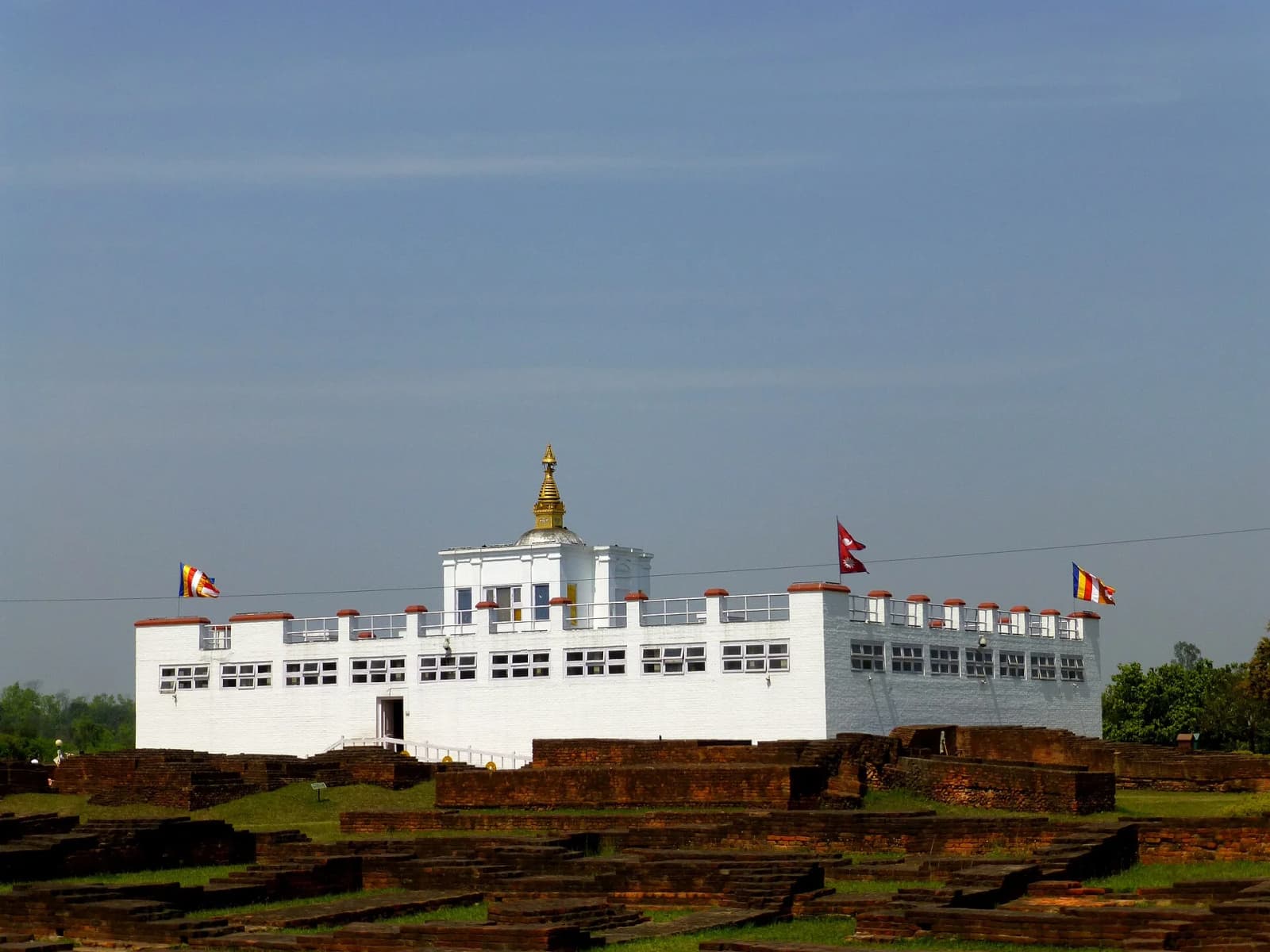
- Gateway to Lumbini: Located close to Buddha's birthplace of Lumbini, Gautam Buddha International Airport has struggled to attract sustained international carriers without western air-entry access.
- Connecting heritage circuits: Tourism bodies including the Siddhartha Chamber of Commerce and former Nepal Association of Travel Agents leadership view the route as vital for multi-stop pilgrimage packages linking Lumbini, Tilaurakot, Devdaha, and Ramgram with Sarnath, Kushinagar, Bodh Gaya, Nalanda, and Vaishali in India.
- Security and reciprocity: While India retained caution over Nepal's broader request for the Mahendranagar (L626) route near sensitive northern airspace, planners noted reciprocal opportunities covering flights to Bagdogra in West Bengal.
Economic Expectations in Rupandehi
Hospitality operators, tour agencies, and regional businesses in Rupandehi expect smoother two-way air entry to stimulate hotel occupancy, international pilgrims from Sri Lanka, Thailand, Myanmar, Japan, and South Korea, and wider trade across the Uttar Pradesh-Lumbini borderland.