India and Myanmar have completed their first bilateral tri-service humanitarian assistance and disaster relief exercise, Rahat Mitra, in Chennai. The exercise took place on November 5 and 6, 2026; the Defence Ministry published its account of the concluding activities on November 9.
Personnel from the Indian Navy, Army and Air Force worked with a Myanmar defence delegation on coordination across sea, land and air operations. An earlier official announcement said the exercise brought together more than 300 personnel from the two countries’ three services.
A cyclone scenario for joint planning
The opening stage focused on planning and familiarisation with disaster response capabilities. A table-top exercise used a severe cyclone scenario to examine how the forces could coordinate their response and apply joint disaster management procedures.
Participants saw Army demonstrations of obstacle clearance and bridge laying. A visit to INS Sukanya introduced the delegation to the Navy’s shipborne humanitarian assistance capabilities, including the role of a naval platform in supporting a wider relief operation.
Medical support, flood rescue and communications
The second day brought demonstrations across several domains. INS Adyar and the Communication Network Centre in Chennai presented shore-based response arrangements and communications infrastructure used for command and control during emergencies.
Military Hospital, Chennai, demonstrated field medical triage and the coordinated management of relief camps. The Navy’s Flood Relief Teams displayed specialised equipment for flood operations.
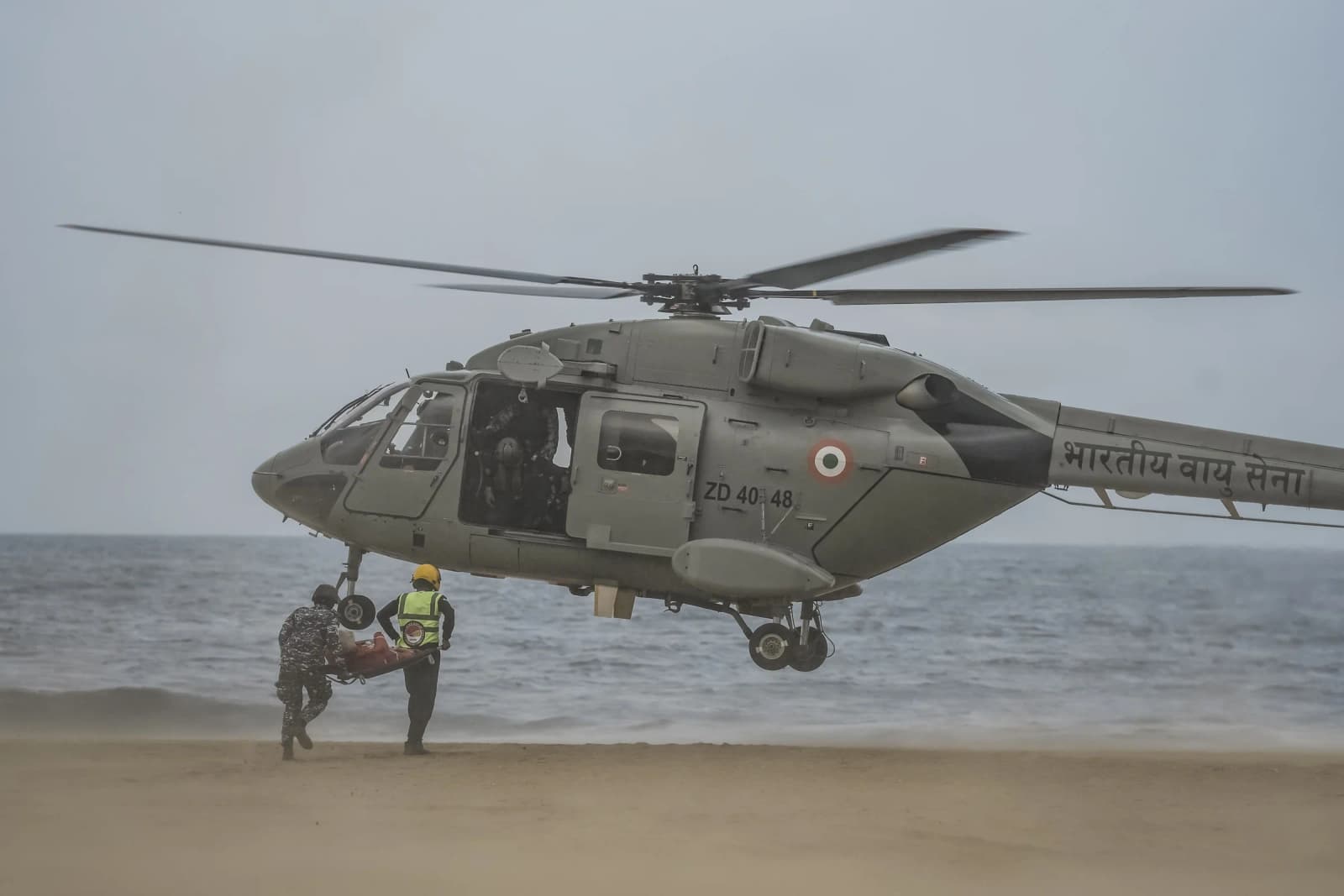
Maritime search and rescue was demonstrated through coordinated manoeuvres involving a Chetak helicopter and INS Bitra. The Air Force also demonstrated casualty evacuation using an advanced light helicopter, with Commodore Aung Niang Win and two other officers from the Myanmar delegation on board.
Preparation for future emergencies
The ministry said the exercise gave both sides an opportunity to compare procedures, exchange operational experience and develop a better understanding of each other’s capabilities. The intended benefit is more effective coordination when disaster response requires several services to work together.
These were planned training activities rather than a response to a new cyclone or flood. The November 9 release reports on the two-day exercise already held in Chennai.