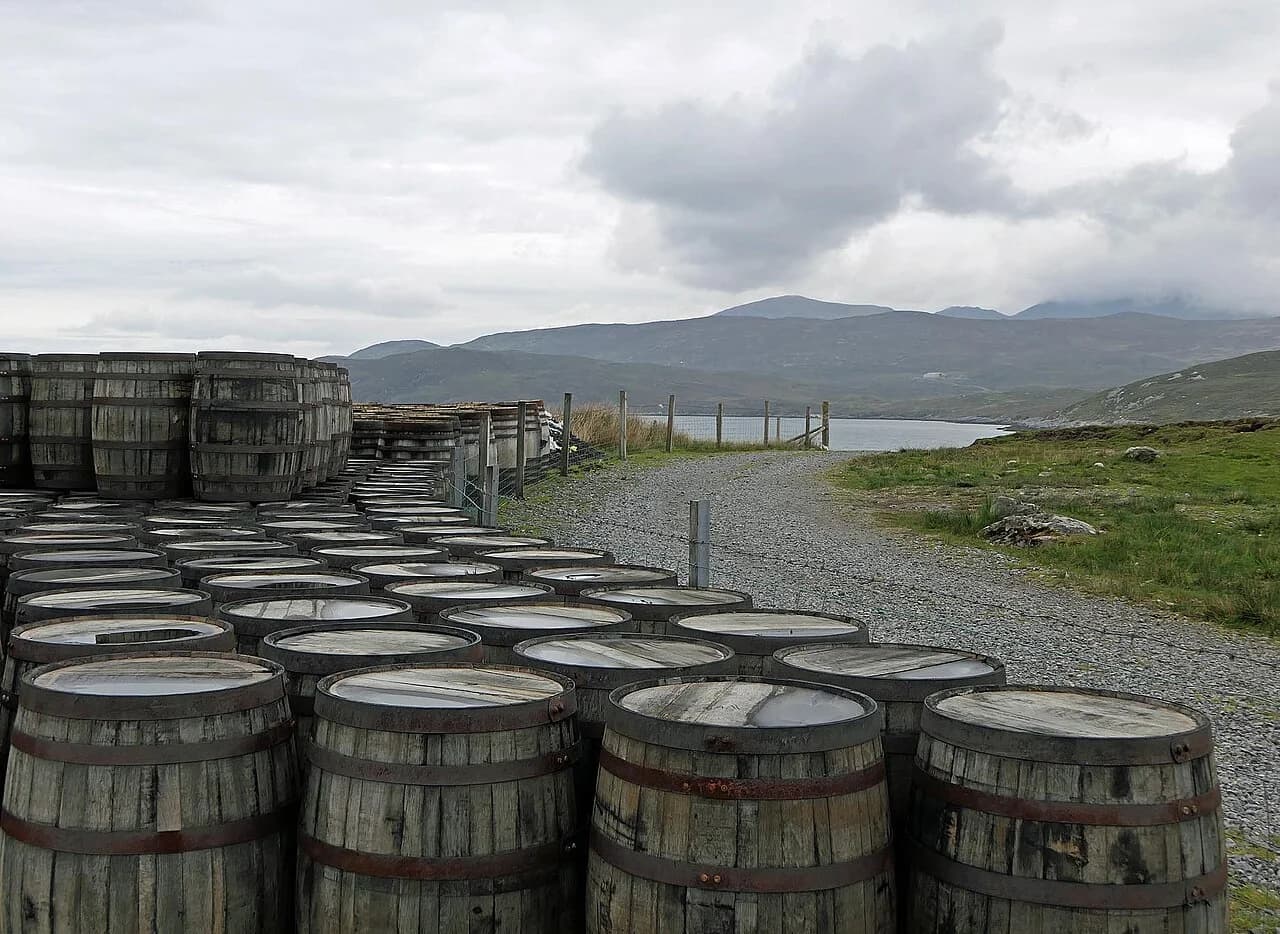
India is now charging an effective 162.5% in customs duty and tax on bulk Scotch whisky shipped from the United Kingdom, according to a Reuters report from New Delhi on 18 November 2026 that cited eight sources and a government document. The levy is higher than the 150% tariff that applied before the India-UK trade agreement came into force, and it has become the first major dispute under the pact.
What has India changed for bulk Scotch?
Indian customs investigators have taken the view that bulk Scotch concentrates, which liquor companies blend into whiskies made in India, are being imported under the wrong customs classification, Reuters reported. In their view, such shipments have fallen since May under a newly created customs line for "compound alcoholic preparations", which carries a 150% tariff. A consumption tax is then added on top, taking the total to 162.5%, according to the government document reviewed by Reuters and the sources, who included industry executives and customs agents.
Liquor companies argue the opposite. Pernod Ricard, which owns the UK-based Chivas Brothers, Diageo and several Indian firms believe both bulk and bottled Scotch should pay only the 75% rate agreed in the trade deal, the agency reported. Industry sources told Reuters they had expected a debate over classification but had not anticipated the extra local tax.
What did the trade deal promise?
The India-UK Comprehensive Economic and Trade Agreement (CETA) came into force on 15 July 2026, as announced by the Ministry of Commerce and Industry. UK government export guidance says India's tariff on bottled and bulk Scotch whisky was cut from 150% to 75% when the agreement took effect, with staged reductions over the next 10 years until it reaches 40%.
Who is affected?
- More than 80 shipping containers of bulk Scotch belonging to Pernod Ricard, Diageo and Bacardi have been held at Indian ports, Reuters had reported the previous week.
- Under a provisional release while the investigation continues, importers must pay duty at 75% of the goods' value up front and cover the rest with bank guarantees, the sources said.
- Mumbai-listed Radico Khaitan, Allied Blenders and Distillers and Tilaknagar Industries also import bulk Scotch and are under scrutiny, according to the report.
According to Reuters, about 80% of Scotch imported from Britain by volume arrives in bulk, and India is the largest market for Scotch by volume. Most of it is blended with other spirits to make Indian-Made Foreign Liquor (IMFL), the mass-market whiskies that sell for far less than fully imported brands. One liquor-industry source told the agency that companies had already lowered prices after the pact took effect and were now facing higher duties again.
How have the UK and the companies responded?
A UK government spokesperson told Reuters that "ministers are urgently working with the government of India to resolve this issue to ensure UK businesses can export under the tariffs agreed in the trade deal." India has said the dispute will be resolved soon, the agency reported. Diageo declined to comment, while Pernod Ricard, Bacardi, India's finance ministry and the tax authority did not respond to Reuters.
Diageo shares fell 1.5% in London and Pernod Ricard shares slipped 1.25% in Paris after the report. Pernod Ricard and Diageo have moved to arrange bank guarantees and other funding to free their containers, while Bacardi is still weighing its options, three sources told Reuters.
What happens next?
There is no announced deadline for a settlement. The classification question is still under investigation, and neither government has publicly confirmed the 162.5% figure. A confidential memo from Indian investigators, reported by Reuters earlier, said any misclassification under the pact must stop because it has "substantial revenue implications" for New Delhi. The UK's Scotch Whisky Association has forecast that the deal could lift Scotch exports to India by $1.34 billion over five years.
Photo source · Claire Pegrum, CC BY-SA 2.0