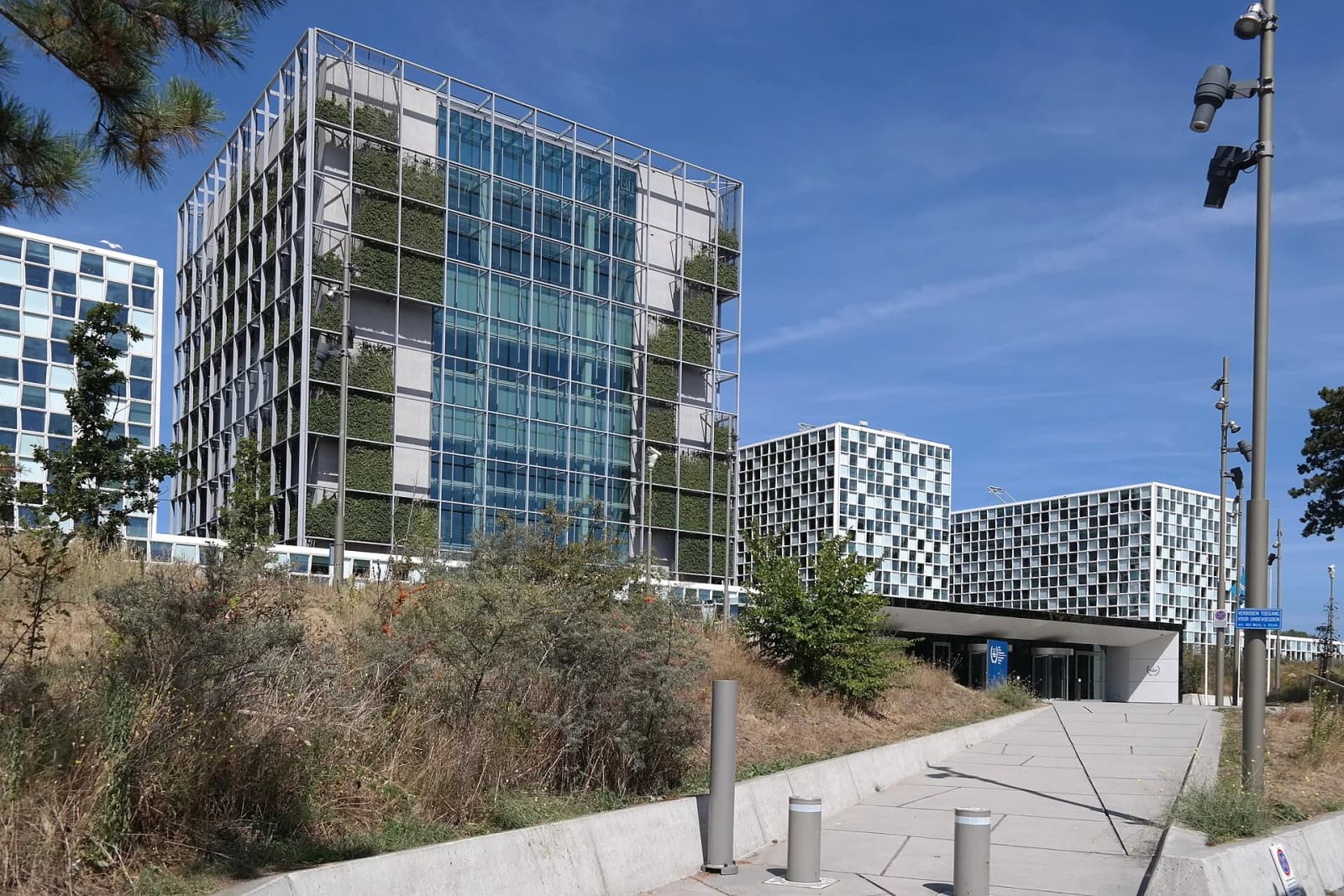
Judges at the International Criminal Court (ICC) have formally closed the part of the court's Afghanistan investigation that could have examined alleged crimes by US troops, narrowing the case to the conduct of the Taliban since 2021. The decision was issued on Thursday, 12 November, and made public in court filings on Friday, 13 November, the Associated Press and Reuters reported.
The ruling also shuts down a separate line of inquiry into the Islamic State Khorasan (ISIS-K) militia, Reuters said. The prosecutor's office told both agencies it has already appealed.
Why the judges closed the case
According to AP and Al Jazeera, the judges pointed to "significant limitations to the Prosecution's ability to conduct its investigations and secure evidence." Reuters reported that the judges said prosecutors had not shown they could effectively investigate allegations in Afghanistan beyond the Taliban probe.
Earlier this year, judges had ordered prosecutors to split the Afghanistan work into two separate investigations: one on the Taliban since 2021 and one covering the original inquiry. It is that second strand which has now been closed.
A probe that once reached US forces
Judges authorised the Afghanistan investigation in 2020. It covered alleged offences going back to 2002 by Afghan government forces, the Taliban, US troops and US foreign intelligence operatives, AP reported. Former chief prosecutor Karim Khan later said he would "deprioritise" the parts involving Americans, citing difficulties in obtaining evidence, and the US-related line of inquiry had been dormant since 2021, according to Reuters. Khan was removed from office earlier this year over sexual misconduct allegations.
The Taliban case continues
The investigation into the Taliban goes on. The court has unsealed arrest warrants for four senior Taliban leaders, accusing them of the crime against humanity of gender persecution against women, girls and LGBTQI+ people in Afghanistan since the group took power in 2021, AP reported. Reuters said those warrants remain in effect.
The US pressure on the court
The ruling comes while the court and 13 of its current and former staff are under US sanctions imposed by the Trump administration, which opposes investigations into Americans and US allies such as Israel. The court has outstanding arrest warrants for Israeli Prime Minister Benjamin Netanyahu and his former defence minister over alleged crimes in Gaza, which both reject.
US Secretary of State Marco Rubio has said that "President Trump will never allow the International Criminal Court to prosecute Americans," and in October vowed to continue a campaign to "dismantle the ICC, brick by brick," Al Jazeera reported. The United States is not a member of the court and does not recognise its jurisdiction.
Why it matters
The decision removes the only ICC investigation that had formally included possible crimes by US personnel. But Reuters noted it is unclear whether it will ease Washington's concerns, because it does not change the court's founding statute, which allows prosecution of atrocity crimes committed on the territory of ICC member states.
What happens next
The prosecutor's office has not given details of its appeal, and no timetable for a decision on it has been announced. Meanwhile, attention will stay on whether Washington adjusts its sanctions and on progress in the Taliban case.
PS · Choinowski, CC BY-SA 4.0