Hungarian investigators have recovered close to $20 million in cash, some of it dug out of the ground in forests, in a bribery investigation into Miklos Seszták, who served as development minister under former Prime Minister Viktor Orban.
The National Asset Recovery and Protection Office (NVVH), the agency set up this year by Prime Minister Peter Magyar's government to chase suspected misuse of public money, announced the find late on Friday, 13 November. It said the searches were carried out on 12 and 13 November in Budapest and in Pest, Békés and Nógrád counties.
Cash in forests, farm buildings and a hidden safe
According to the office, investigators found "large amounts of cash buried in forests", along with money hidden in agricultural buildings and warehouses, in a residential property and in a high-value safe at a secluded location. The haul was made up of about 5.07 billion forints, 2.66 million euros and 1.26 million US dollars. Reuters put the combined value at nearly $20 million.
The NVVH said its staff paid the money into the Hungarian State Treasury on Friday. Finance Minister András Kármán wrote on Facebook that 12 treasury employees needed eight hours and five counting machines to tally it. The office also thanked the police's criminal technical directorate, the Counter Terrorism Centre, the National Tax and Customs Administration and the treasury for their help.
What Seszták is accused of
Seszták, Orban's development minister from 2014 to 2018, has denied wrongdoing. His lawyer did not respond to a Reuters request for comment.
The prosecution service has said Seszták and the then chief executive of the state asset manager MNV allegedly received more than 11 billion forints in unlawful benefits between 2015 and 2018 through an intermediary, from a representative of companies holding contracts with state bus operator Volánbusz. Other allegations involve a construction group said to have returned 10% of contract fees in exchange for state projects, and about 270 million forints linked to swimming pool and gym projects. The suspected offences include several counts of accepting bribes as a senior public official.
The NVVH took over the case on 28 September, the day parliament lifted Seszták's immunity, and a court ordered his detention two days later. In late October his pre-trial detention was extended to 30 January. The Budapest court noted at the time that a search of his home had found empty safes where he allegedly kept 9 billion forints, and said he may have arranged to hide the cash before his questioning.
The discovery of the money does not on its own establish its origin or Seszták's guilt; that is for the courts to decide.
Why it matters
Magyar's centre-right Tisza party ended Orban's 16 years in power in the April election on a promise to fix relations with the European Union and to fight corruption. Magyar wrote on Facebook that the recovered cash marked the end of what he called the "Fidesz-KDNP mafia", referring to Orban's party and its Christian Democrat ally.
Seszták is not the only senior figure from the Orban era in custody. Two former ministers and former central bank governor György Matolcsy are under arrest in separate graft cases, and all deny wrongdoing. Orban, whose brother has been detained in a people-smuggling case, has called the investigations political revenge.
The campaign appears to have public backing. A Median poll published by news site HVG found 70% of respondents considered it very important to investigate suspected corruption under Orban. Political scientist Gábor Török told Reuters the images of piled-up cash were so striking that they were likely to hurt Fidesz badly; Median has put the party's support at 16% of voters.
What happens next
Seszták remains in pre-trial detention until at least 30 January while the investigation continues. The asset recovery office is also pursuing several other cases from the Orban years.
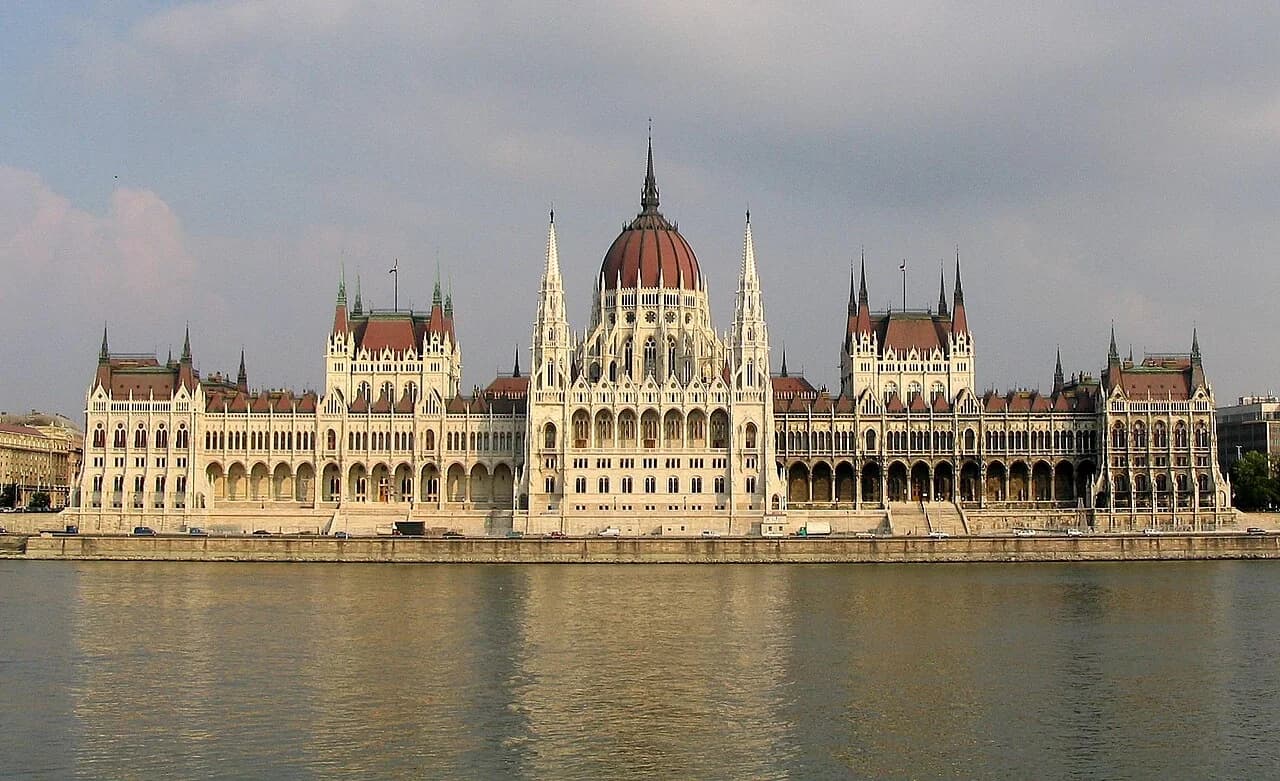
PS · Dirk Beyer, CC BY-SA 3.0