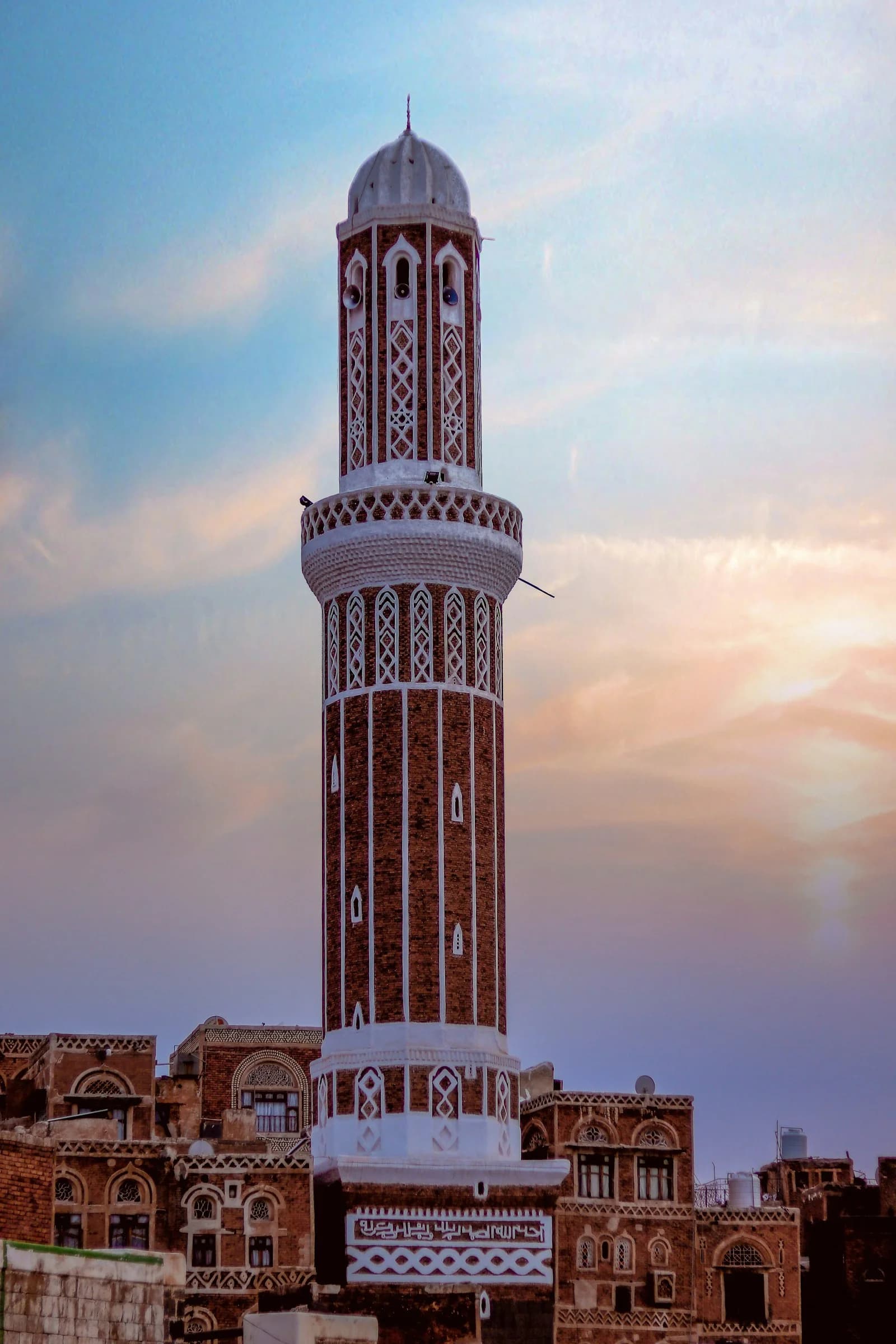
Yemen's Houthi movement has freed 600 people it was holding in connection with the country's war, the International Committee of the Red Cross (ICRC) said on Sunday, 15 November 2026. The release took place in Sanaa, the capital the group has controlled for more than a decade, and was carried out by the Houthis on their own, without a matching move by the other side.
The head of the Houthis' prisoner committee described it as the largest one-sided release of the conflict. The internationally recognised Yemeni government had not commented immediately, Anadolu Agency reported.
What the Red Cross did, and did not do
The ICRC was careful to set out the limits of its role. It said it played no part in deciding who would be freed or how many. Its delegates did, however, hold private interviews with each detainee before they walked out, and its medical staff checked their health. The organisation said it then helped the released men get back to their homes, offering extra support where it was needed, and described its role as a helping hand so that they could return with dignity.
According to the ICRC, the release was initiated by the Houthis' National Committee for Prisoners Affairs and does not fall under the Stockholm Agreement, the 2018 deal on prisoner exchanges. The humanitarian body added that it remains willing to act as a neutral intermediary for future releases, transfers or returns if the warring parties ask it to.
Houthi committee claims a record
Abdul Qader al-Murtada, who heads the committee, confirmed the release at a press conference in Sanaa. He said 2,612 people have now been freed through the group's unilateral initiatives since the war began, and called Sunday's operation the biggest such pardon and release in the history of the fighting, French news agency AFP reported.
Al-Murtada also accused the government side of never having made a comparable humanitarian gesture, and blamed Saudi Arabia, which backs the government, for blocking progress on prisoner talks. These claims could not be independently verified.
Reports differed on exactly who was released. AFP described those freed as members of government forces detained after hostilities resumed in July, while Anadolu did not specify their affiliation.
A war that flared up again
The release comes against a backdrop of renewed fighting. Al Jazeera reported that the Houthi escalation that began in July 2026 is the most intense since the relative calm that followed the UN-brokered truce of April 2022, and that government forces launched a counter-operation called "Fajr Yemen" (Dawn of Yemen) on 5 October.
Sunday's move follows a smaller one last month. On 17 October, the ICRC announced that 159 detainees had been released by the authorities in Sanaa, also unilaterally.
The Stockholm framework
Prisoner exchanges in Yemen have officially been governed by the Stockholm Agreement, reached between the government and the Houthis in December 2018. At the time, more than 15,000 people were said to be held by both sides combined. Sunday's release sits outside that framework, which means it does not by itself unlock any reciprocal release by the government.
The Houthis took Sanaa and several other provinces in September 2014. A Saudi-led military coalition entered the war in March 2015 in support of the internationally recognised government.
What happens next
The ICRC has signalled that it is ready to step in if both parties agree to a new negotiated exchange. Whether the government responds with its own gesture, or whether the two sides return to talks under the Stockholm framework, remains to be seen. No date for any new round of prisoner negotiations has been announced.