The Saudi-led military coalition fighting in Yemen said it intercepted and destroyed three ballistic missiles fired by Yemen's Houthi movement towards Riyadh, the Saudi capital, in the early hours of Saturday, 21 November 2026. It was the third day running that residents of Riyadh received emergency alerts, as a cross-border exchange between Saudi Arabia and the Houthis escalated sharply this week.
What happened over Riyadh on Saturday?
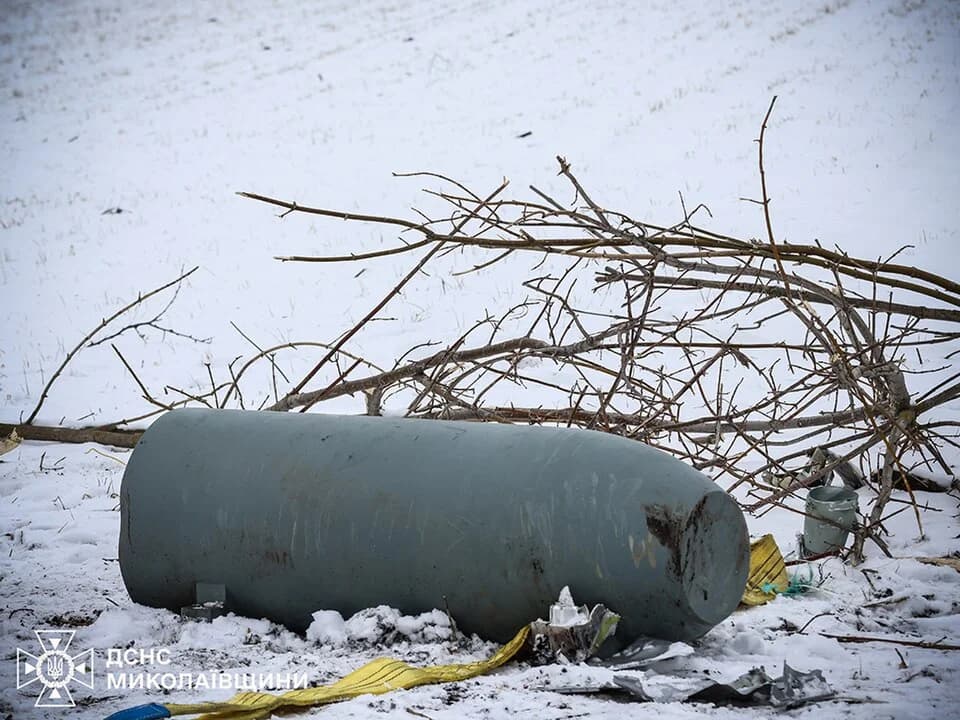
Saudi Arabia's Civil Defense sent an alert warning of an "aerial threat" over Riyadh at 1:53 am local time, and shortly after 2 am the coalition announced that three missiles had been brought down, Arab News reported. Major General Turki Al-Maliki, spokesman of the Coalition to Support Legitimacy in Yemen, made the announcement on X. Witnesses told the newspaper they heard two explosions in the city before the alert was lifted. No casualties were reported from Saturday's interceptions.
Hours later, the coalition said it had also destroyed a Houthi drone heading towards the south of the kingdom, without naming the province that was targeted, according to Al Jazeera.
How has the fighting escalated this week?
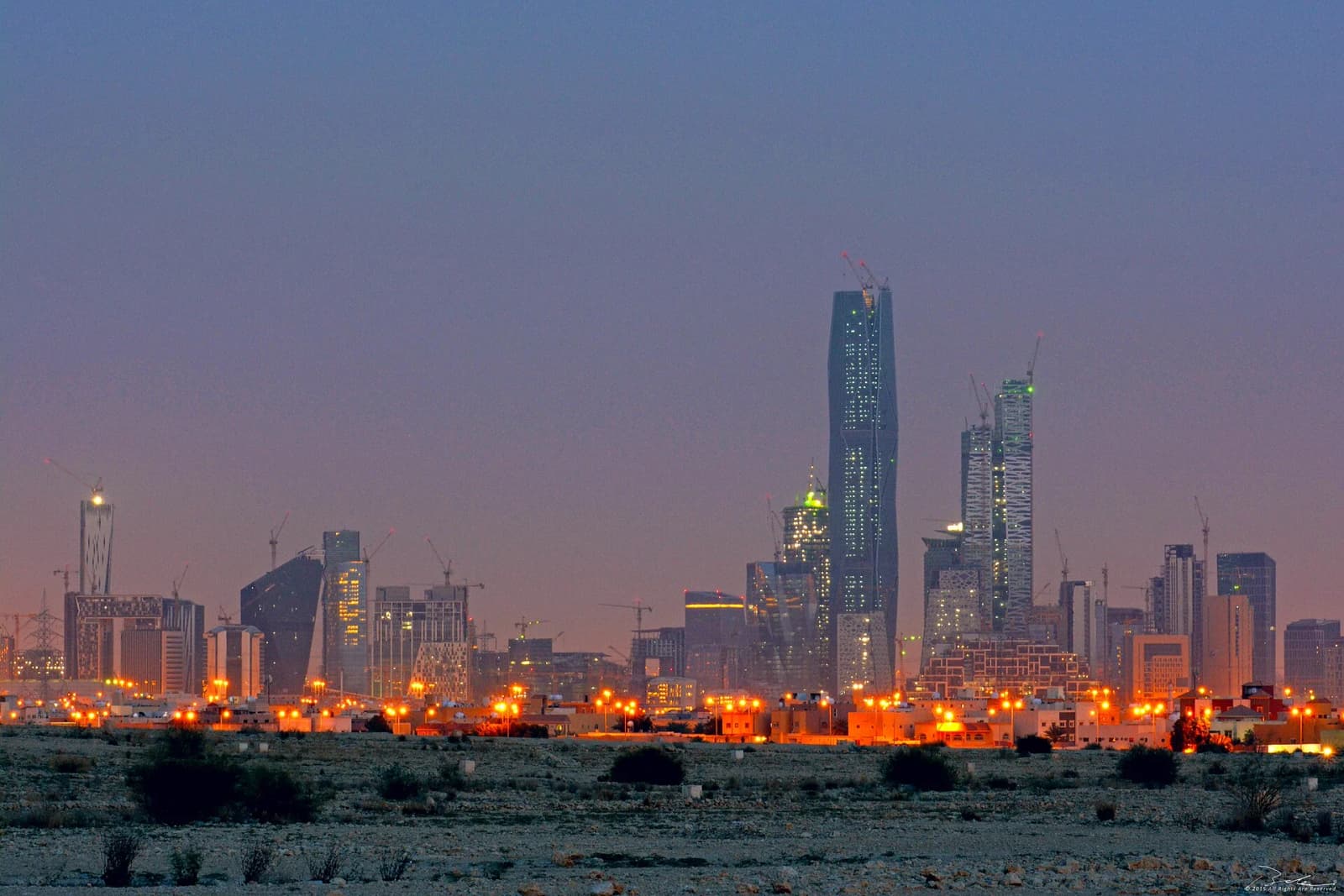
The attacks have moved steadily closer to Saudi Arabia's economic centre. On 19 November, a Houthi strike damaged the Public Investment Fund tower in the King Abdullah Financial District, the headquarters of the kingdom's sovereign wealth fund and the tallest building in Riyadh. Arab News said several floors of the tower and nearby buildings were damaged, but nobody was hurt.
On Friday, 20 November, Saudi air defences intercepted five drones and three ballistic missiles, including two missiles aimed at Jazan in the south-west. Debris fell in the Al-Shuqaiq area. Early-warning alerts were also issued in Al-Sulayyil, Najran, Jazan and Khamis Mushayt. Al Jazeera counted eight public emergency alerts from Saudi civil defence in the 24 hours from 7:30 am on Friday.
The Houthis said on X that they were striking targets across Saudi Arabia, including Riyadh. They have also threatened Jeddah and other Saudi Red Sea ports, Riyadh's financial centre and a power station at Al-Shuqaiq, and have warned airlines that Saudi airspace is "unsafe".
How has the coalition responded?
On Friday the coalition announced what it called a "special operation" against the Houthi-held Red Sea port of Hodeidah and "military targets" in Yemen's capital, Sanaa. Al-Maliki said the strikes hit "operational capabilities at Hodeidah port", which he said were used to smuggle and move weapons and ballistic missiles, according to AFP. Arab News reported that coalition operations also targeted Houthi positions and missile capabilities in Saada and Taiz, and that the coalition said it had hit one of the group's main supply depots in Sanaa.
Yemen's internationally recognised government backed the strikes and accused the Houthis of using Hodeidah port to receive smuggled Iranian weapons.
What have Saudi Arabia and the UN said?
Saudi Arabia's Foreign Ministry condemned the attacks on civilian and economic facilities, warned that they threaten regional and international security, and said the kingdom has the right to take the measures needed to defend itself. The United Nations said it was following the escalation "with concern" and warned that continued fighting could endanger vital aid supply routes inside Yemen.
Why it matters for travellers
The threats against Saudi cities and airspace come as airlines adjust schedules in the region. MapMyTimes reported on 20 November that Air India and Air India Express extended their Jeddah flight suspension to 24 November, with Riyadh and Dammam services off until 30 November.
What to watch next
It is not yet clear whether the coalition will widen its strikes on Hodeidah and Sanaa, or whether the Houthis will act on their threats against Jeddah and other Red Sea ports. The figures on interceptions so far come from the coalition and Saudi authorities and have not been independently verified.
Photo source · B.alotaby, CC BY-SA 4.0