India is expected to harvest 3,869.15 lakh tonnes (about 386.9 million tonnes) of fruits, vegetables, flowers, spices and plantation crops in 2025-26, according to the Third Advance Estimates of horticulture production released in New Delhi on 17 November 2026 by Union Agriculture and Farmers' Welfare Minister Shivraj Singh Chouhan. The figure is 161.77 lakh tonnes, or 4.36%, higher than the 3,707.38 lakh tonnes recorded in 2024-25.
The Ministry of Agriculture and Farmers Welfare release described the estimate as a record. The most striking detail is that output is projected to rise even though the land under horticulture has shrunk.
How can production rise when the area has fallen?
The answer lies in yields: the estimates suggest farmers are getting more out of each hectare. The total area under horticultural crops in 2025-26 is put at about 297.21 lakh hectares, down from 301.36 lakh hectares in 2024-25, a drop of roughly 4.15 lakh hectares. Despite this, the ministry projects higher production across fruits, vegetables, flowers, plantation crops, and aromatic and medicinal plants, which it attributed to improved productivity.
The figures were compiled by the Department of Agriculture and Farmers Welfare from information supplied by states, Union Territories and other government agencies. Advance estimates are provisional and are revised as more data comes in.
Potato and tomato lead the vegetable basket
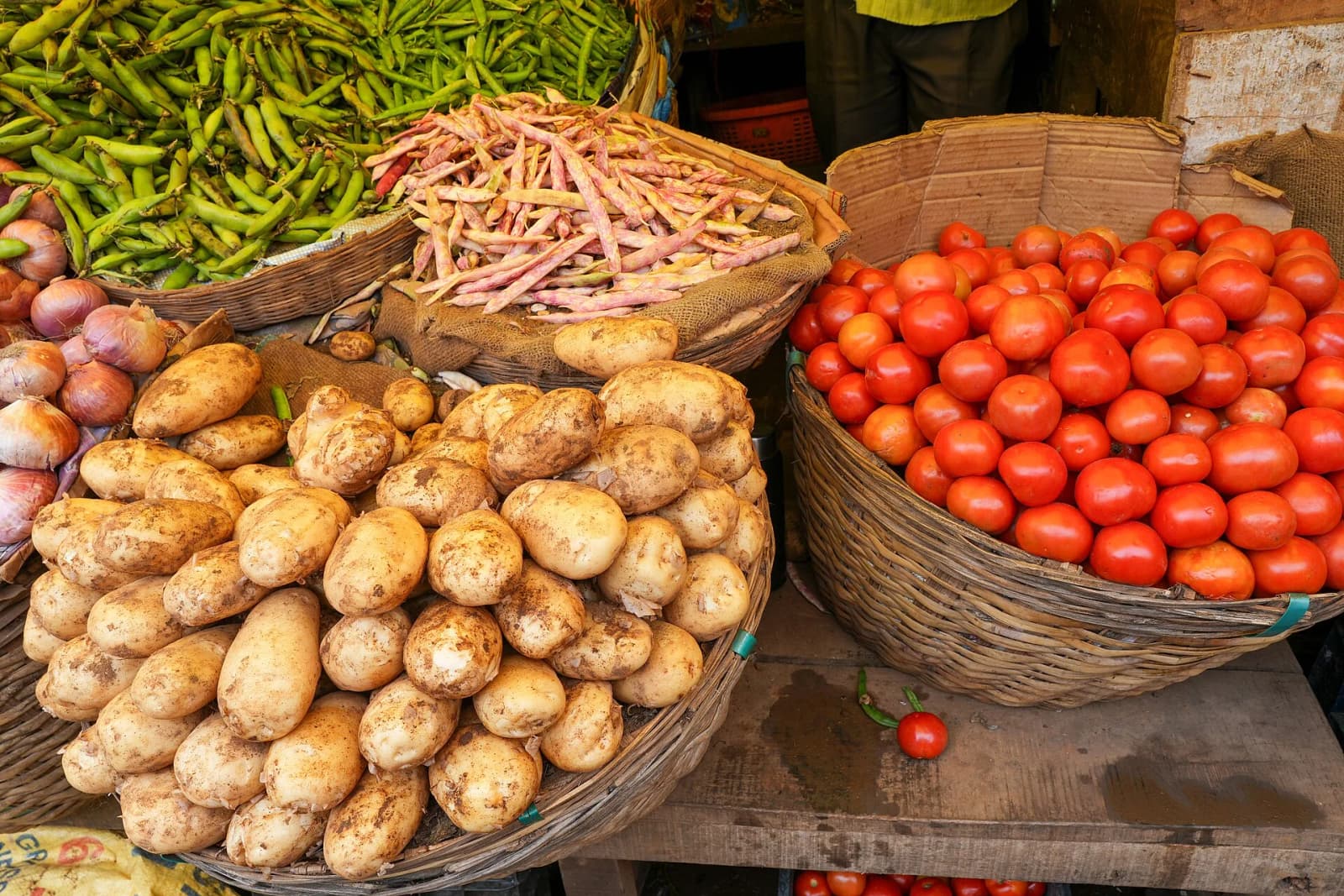
Vegetable production is projected at 2,272.68 lakh tonnes, up 4.35% from 2,177.97 lakh tonnes, and here the area has actually grown, from 117.91 lakh hectares to 119.31 lakh hectares. Higher output of potato, tomato, brinjal, bottle gourd, cucumber, cabbage, beans and peas is driving the increase.
- Potato: 655.70 lakh tonnes, up 11.95% from 585.71 lakh tonnes.
- Tomato: 214.11 lakh tonnes, up from 205.99 lakh tonnes.
- Onion: 288.96 lakh tonnes.
Potato, tomato and onion are the three vegetables most closely watched in Indian kitchens, because swings in their supply often show up quickly in household food bills. The release does not discuss prices, so how far the bigger harvest will ease costs for consumers remains to be seen.
Fruits, flowers and spices
Fruit production is estimated at 1,230.66 lakh tonnes, an increase of 54.18 lakh tonnes or 4.60% over 1,176.49 lakh tonnes in 2024-25. The ministry credited better harvests of banana, mango, papaya, apple, pomegranate and jackfruit.
Flowers show the sharpest growth of any group: output is projected to rise about 14.45%, from 42.65 lakh tonnes to 48.82 lakh tonnes, with the area under flower cultivation increasing to 4.10 lakh hectares.
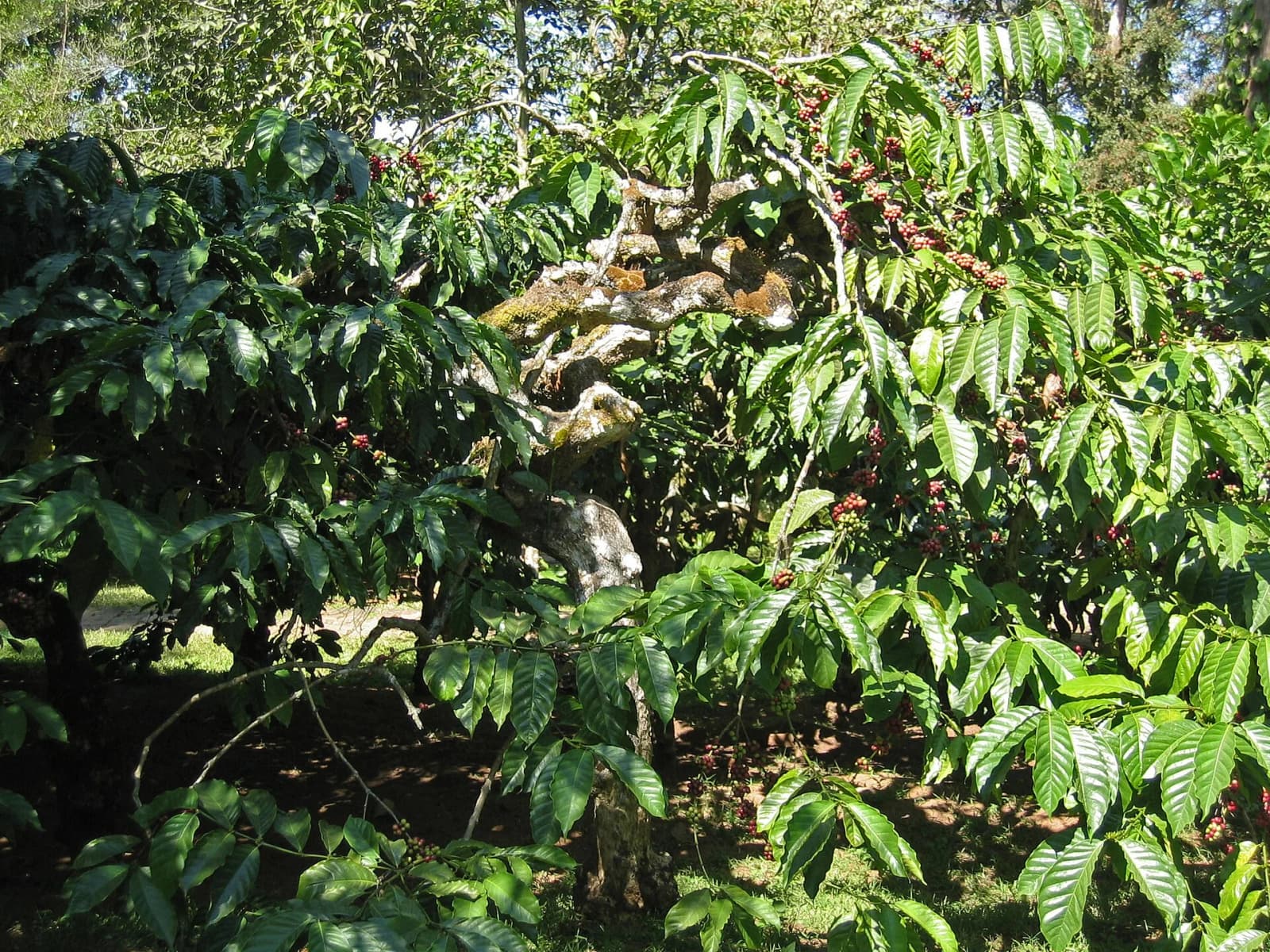
Plantation crops, including arecanut, coconut, cashew, betel leaves and cocoa, are expected to grow 7.56% to 182.64 lakh tonnes, with both area and production rising. Aromatic and medicinal plants are estimated at 9.28 lakh tonnes, up from 9.01 lakh tonnes.
For spices, data from the Directorate of Arecanut and Spices Development puts production at 123.54 lakh tonnes from 47.56 lakh hectares, supported by better output of turmeric, garlic, curry leaves and cardamom.
What did the minister say?
Mr Chouhan said the higher output reflected the hard work of farmers and the government's farmer-friendly policies, and that it would strengthen the country's nutritional security while lifting incomes of horticulture growers. He said farmers were increasingly moving from traditional crops towards fruits, vegetables, flowers, spices, plantation crops and medicinal plants, opening new sources of income.
Why it matters and what next
Horticulture output feeds directly into the availability of everyday produce, from the potatoes and onions in a family's weekly shopping to the bananas and mangoes in local markets. A larger harvest grown on less land also points to rising productivity, which the ministry is presenting as evidence of crop diversification paying off. The same ministry is also due to launch India's first indigenous H5N1 bird flu vaccine for chickens in Bhopal on 20 November.
These numbers remain advance estimates. Final figures for 2025-26 will be published after the ministry receives complete data from states.
Photo source · Timothy A. Gonsalves, CC BY-SA 4.0