New York Governor Kathy Hochul on 20 November 2026 vetoed the Food Safety and Chemical Disclosure Act, a bill that would have banned three food additives in the US state and forced companies to reveal the safety evidence behind ingredients they declare safe without review by the US Food and Drug Administration (FDA).
The bill, S.1239F/A.1556G, sponsored by State Senator Brian Kavanagh and Assemblymember Anna Kelles, had passed both houses of the state legislature in April.
What would the bill have done?
It would have banned the dye Red No. 3, the flour additive potassium bromate and the preservative propylparaben in food made or sold in New York, the same three additives California banned in 2023, according to a statement from Consumer Reports, the Yonkers-based nonprofit that backed the bill.
It would also have required food companies to tell the New York State Department of Agriculture and Markets about "Generally Recognized as Safe" (GRAS) determinations they had not sent to the FDA. The department would then have made that information public. Under federal rules, GRAS lets companies decide on their own that an ingredient is safe and use it without notifying the FDA.
Why did Hochul veto it?
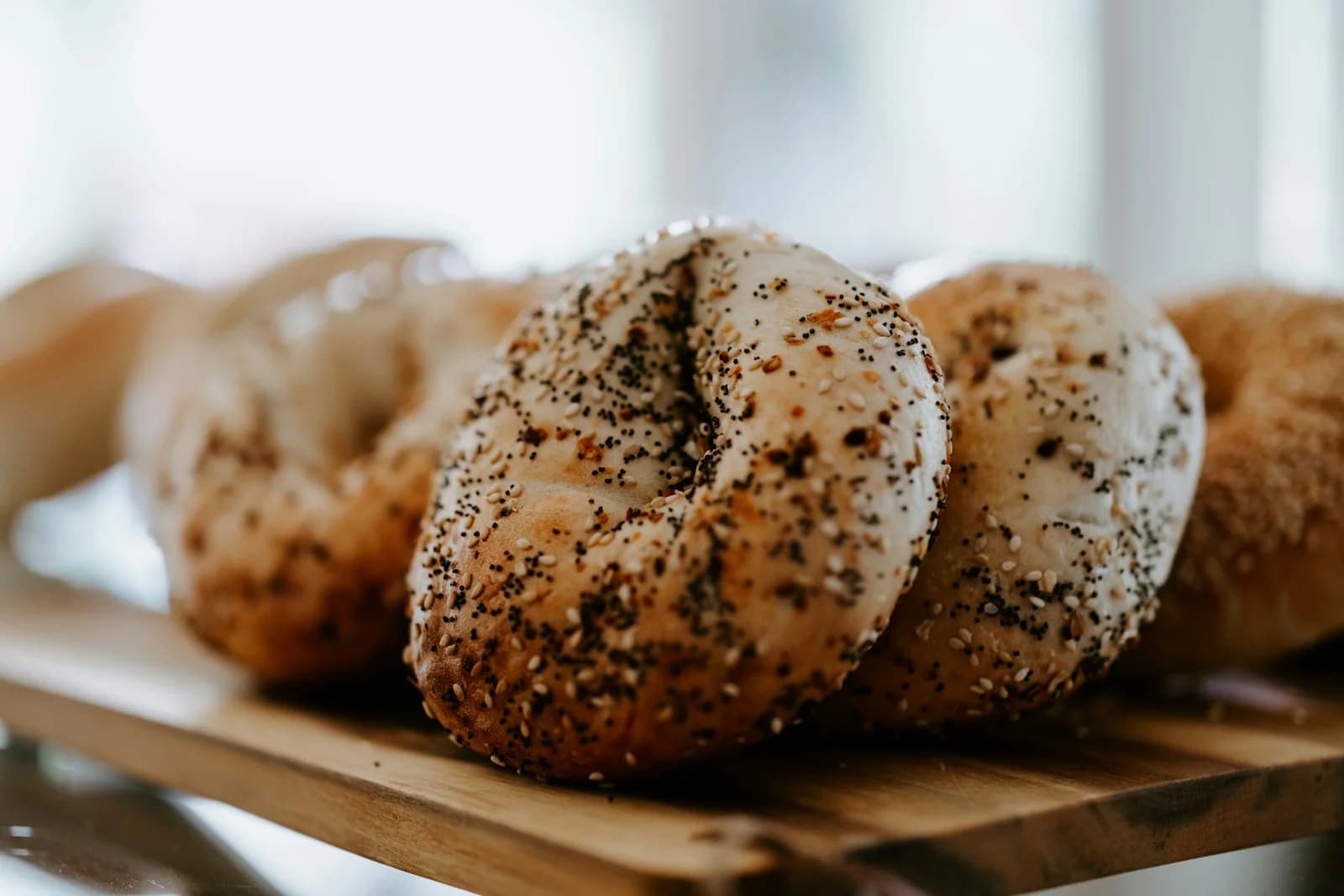
The governor's office argued that food ingredients should be regulated at the federal level and said it did not want to raise grocery prices or taxpayer costs, the Rockland/Westchester Journal News reported in a story republished by Yahoo News. Her office pointed out that the FDA has already banned Red No. 3, with the ban taking effect in January 2027, and said a ban on bromated flour would force most New York pizza and bagel makers to change their recipes.
"While the bill's goal is laudable, its enactment today would put New York businesses at a competitive disadvantage," a spokesperson for the governor said, according to the report. The office said it urged the FDA to continue its review and strengthen oversight of food ingredients.
How much would it have cost?
Estimates differ widely. A Policy Navigation Group study released in April put the extra grocery spending at about $620 a year for New Yorkers, the Journal News reported. Industry groups said the disclosure system would cost $21 million to implement, while the New York Senate Finance Committee estimated $250,000, according to Consumer Reports. A study by Tufts University and the Center for Science in the Public Interest (CSPI) estimated a maximum one-time cost of $28 per household even if companies passed on all costs.
How have supporters reacted?
"The veto decision is deeply disappointing because this vital food safety bill would have provided New Yorkers with essential transparency regarding chemicals added to their food," said Brian Ronholm, Director of Food Policy at Consumer Reports.
"Right before Thanksgiving, Governor Hochul vetoed a bill to make New Yorkers' food safer," said Jensen Jose, Senior Regulatory Counsel at CSPI, in a statement. CSPI said more than 170 small businesses and community organisations and 107 physicians had endorsed the bill.
Kelles called the veto disappointing and said she would reintroduce the bill, the Journal News reported.
What happens next?
The three additives remain legal in New York for now. The FDA's Red No. 3 ban is due to take effect in January 2027, and any new state legislation would have to pass both houses again.