This is a MapMyTimes opinion piece. It responds to the Maharashtra Food and Drug Administration's (FDA) decision on 21 November 2026 to suspend, with immediate effect, the food licences of two quick-commerce dark stores on Sinhagad Road in Pune, Maharashtra, one linked to Amazon and one to BigBasket, after surprise inspections found expired food and pests. MapMyTimes reported the action the same day.
What did the inspectors find?
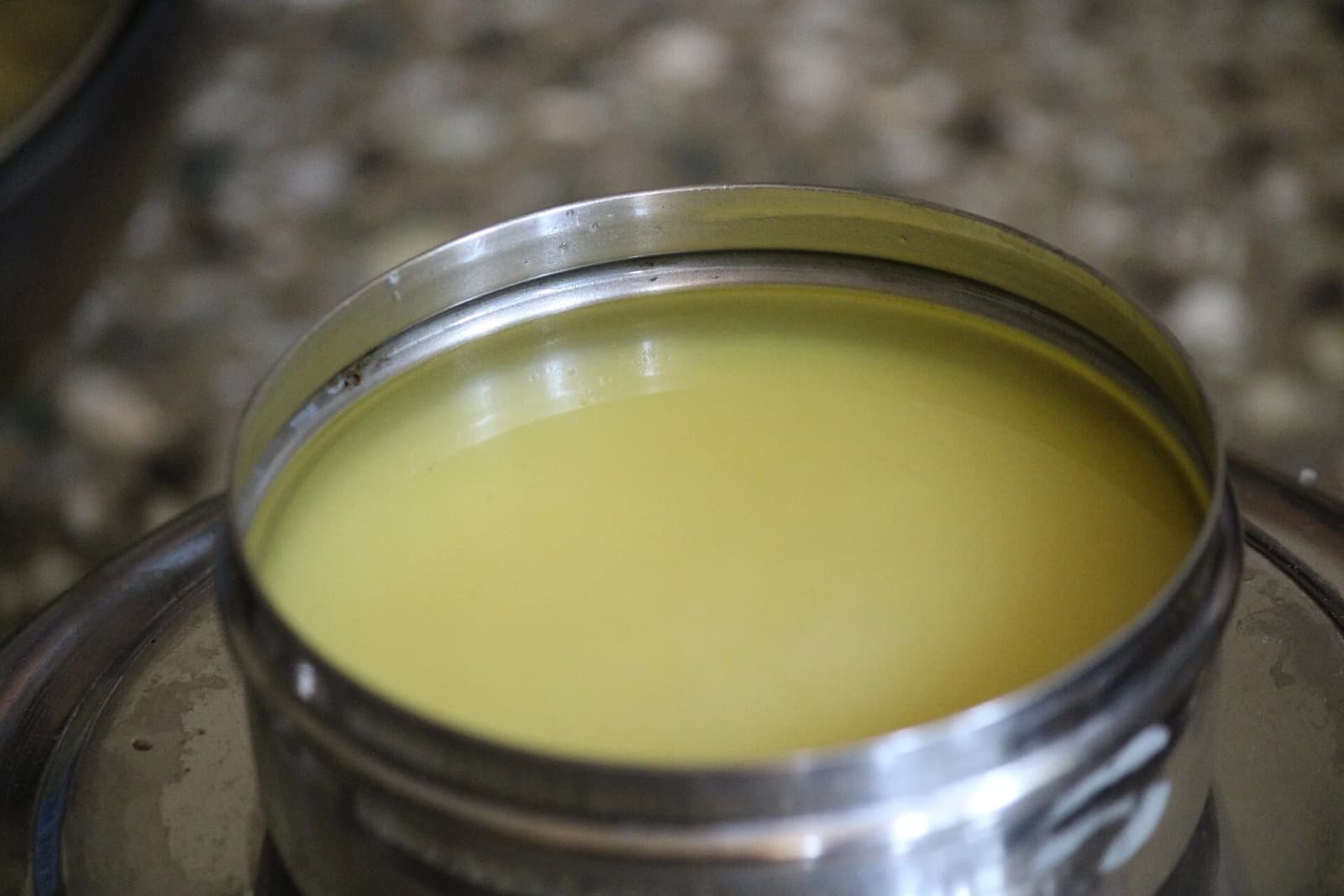
Inspectors found expired food on shelves meant for 10-minute deliveries. According to Punekar News, citing Joint Commissioner (Food) Shrikant Karkale, the store the FDA identified as Amazon's Gajanan Inventories held expired laddoos and pedhas, fungal growth on some expired products, dust inside food containers and ghee stored next to soap. At BigBasket's Innovative Retail Concept, officials reported expired cakes, pav, milk rusk and chutney, signs of pests, food kept on a damaged floor and a dirty cold room. The FDA said both stores breached the Food Safety and Standards Act, 2006, and its hygiene schedule. Neither company had publicly responded when MapMyTimes reported the action.
Why is this more than a local story?
It is the latest in a long run of the same finding. On 4 and 5 November 2026, a pre-Diwali FDA drive led to 105 food licence suspensions across Maharashtra, with Blinkit's operator, Blink Commerce, and Zepto among those listed in Mumbai, Outlook Business reported, citing PTI. In August, a statewide check of 86 dark stores ended with 14 suspensions, most linked to Blinkit and Zepto, according to PTI reporting carried by Inc42. On 19 November a Blinkit unit was among six Mumbai outlets suspended.
When a pattern repeats across platforms for months, suspending one store at a time is no longer enough. Customers cannot see inside a dark store. They cannot pick up a packet and check its date before paying, as they would in a shop. They are trusting the app completely, and the app owes them a system that deserves that trust.
What should change?
Three steps would help, and none needs a new law.
- Publish the results. The FDA names stores when it suspends them, but people rarely learn whether a store fixed the problems or when it reopened. A public, searchable record of dark-store inspections, with outcomes and dates, would reward the stores that improve and expose the ones that don't.
- Hold the platform responsible, not just the store. The food regulator FSSAI already told e-commerce food businesses in November 2024 that products should reach customers with at least 30% of their shelf life or 45 days before expiry left, and that no seller should operate on a platform without a valid licence, All India Radio reported. Regulators should check, with audits, that platforms enforce this across every store that fulfils their orders.
- Show dates before checkout. Apps already show price, weight and delivery time. Showing the expiry or best-before date of the actual stock being sent, at least for short-life items like bread, dairy and sweets, would give customers back the check they lose when they stop going to a shop.
What is the strongest case against tougher rules?
The strongest objection is that many dark stores are run by separate licensed companies, so a platform cannot be blamed for every expired packet, and heavy regulation could raise costs for a service millions of people use. Sudden suspensions can also put warehouse and delivery workers out of work for days over problems that could be fixed quickly.
These are fair points, and enforcement should be proportionate: clear notices, quick re-inspection and reopening once problems are fixed. But the customer sees one brand on the app and pays that brand. A business model built on speed and convenience must also cover checking what is on the shelves. Fixing that is cheaper than losing the trust that keeps the orders coming.
What next?
Maharashtra's FDA has shown it will inspect and act. The next step is for the state, FSSAI and the platforms to make dark-store safety visible to the people eating the food, through published inspection results, audited shelf-life rules and dates shown on the app.