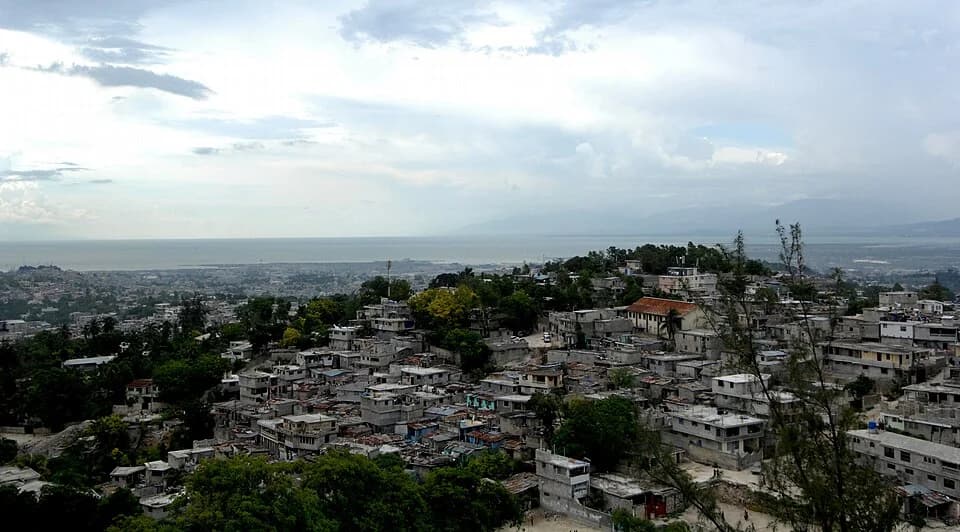
At least 1,167 people were killed and 459 injured in Haiti between July and September 2026, according to the latest quarterly human rights report from the UN Integrated Office in Haiti (BINUH), released on 12 November. The report says gang massacres spread to areas that had previously been spared, while half of all casualties occurred during security force operations against the gangs.
Who did the killing
BINUH's Human Rights Service attributed 45 per cent of the incidents to gang attacks and 5 per cent to self-defence groups and members of the public acting under the vigilante "Bwa Kalé" movement. The remaining 50 per cent took place during operations by national security forces, including actions by personnel of a foreign private military company working with a government task force, and patrols by the Gang Suppression Force.
Most of the victims, 85 per cent, were recorded in the Port-au-Prince metropolitan area, followed by the Artibonite department with 12 per cent. Men made up 81 per cent of victims, women 13 per cent and children 6 per cent.
"The scale of the massacres documented during this period, particularly in Kenscoff and several other localities that had previously been spared, reminds us of the absolute need to strengthen both mechanisms for protecting the population and the presence of the State in recently liberated areas," Carlos Ruiz Massieu, the UN Secretary-General's Special Representative and head of BINUH, said, as quoted by UN News.
Massacres in Cité Soleil and Kenscoff
The report documents brutal territorial fighting between gang coalitions. In Cité Soleil and nearby areas, at least 158 people were killed between July and September. On 7 August, at least 19 people, including 12 elderly women, were beheaded by members of the Wharf Jérémie gang during an attack on the Belekou neighbourhood, BINUH said.
In Kenscoff, south-east of the capital, at least 110 people were killed in incidents involving the Village de Dieu gang. During one attack on the night of 23 August, around 150 gang members fired indiscriminately at homes and fleeing residents; at least 47 people were killed, including 36 who were shot dead in the courtyard of a Protestant church where they had sought refuge. The report also records attacks in Saint-Michel-de-l'Attalaye in Artibonite and in Marigot in the South-East department.
Concerns over security operations
BINUH documented 44 cases of extrajudicial executions or attempted executions involving police officers, up from 14 in the previous quarter. Ground operations by security forces killed at least 368 people and injured 169, and 105 of these casualties were members of the public, including six children. At least 14 people not linked to gangs, including two children, were killed or injured by explosive drones.
In Gressier, at least 165 gang members, including 24 boys aged 14 to 16, were killed in exchanges of fire with police between 12 August and 30 September, the report says. BINUH said it had received no information that authorities had opened investigations into deaths and injuries caused during security operations, including those involving private military company personnel.
Kidnappings, sexual violence and elections
At least 137 people were kidnapped for ransom by gangs during the quarter, with children making up 10 per cent of victims. In the capital alone, kidnappings rose to 92 from 51 in the previous quarter. At least 344 people were raped by gang members during the period, 77 per cent of them in collective rapes.
The report also describes gang attempts to interfere in the electoral process, including a gang leader in Cité Soleil allegedly drawing up a list of candidates for upcoming elections and two residents shot dead on 29 July for publicly denouncing the practice.
What BINUH wants
The report calls on Haiti's government to ensure that operations against gangs fully respect international human rights law, to speed up the vetting of police officers and to strengthen protection for victims, especially survivors of sexual violence. It urges the international community to keep Haiti on its agenda and accelerate the full deployment of the Gang Suppression Force authorised by the Security Council in September 2025, and asks states in the region to step up inspections of shipments to Haiti under the UN arms embargo.