About 6.35 million people in Haiti, roughly half the population, are projected to lack enough food between March and June 2027, with almost 2 million of them at emergency levels, United Nations agencies said in a UN News report published on 21 November 2026. The report says gang violence, drought linked to El Niño and the after-effects of Hurricane Melissa are pushing farmers off their land and cutting harvests.
How many Haitians are going hungry?
Around 6.35 million Haitians are expected to face food insecurity in the March–June 2027 lean season, according to the UN, which cites the latest Integrated Food Security Phase Classification (IPC) analysis for Haiti. Nearly 2 million of them are projected to be at the emergency level. The UN also says the number of people affected by drought is expected to reach 4 million by December 2026.
Why are farmers leaving their fields?
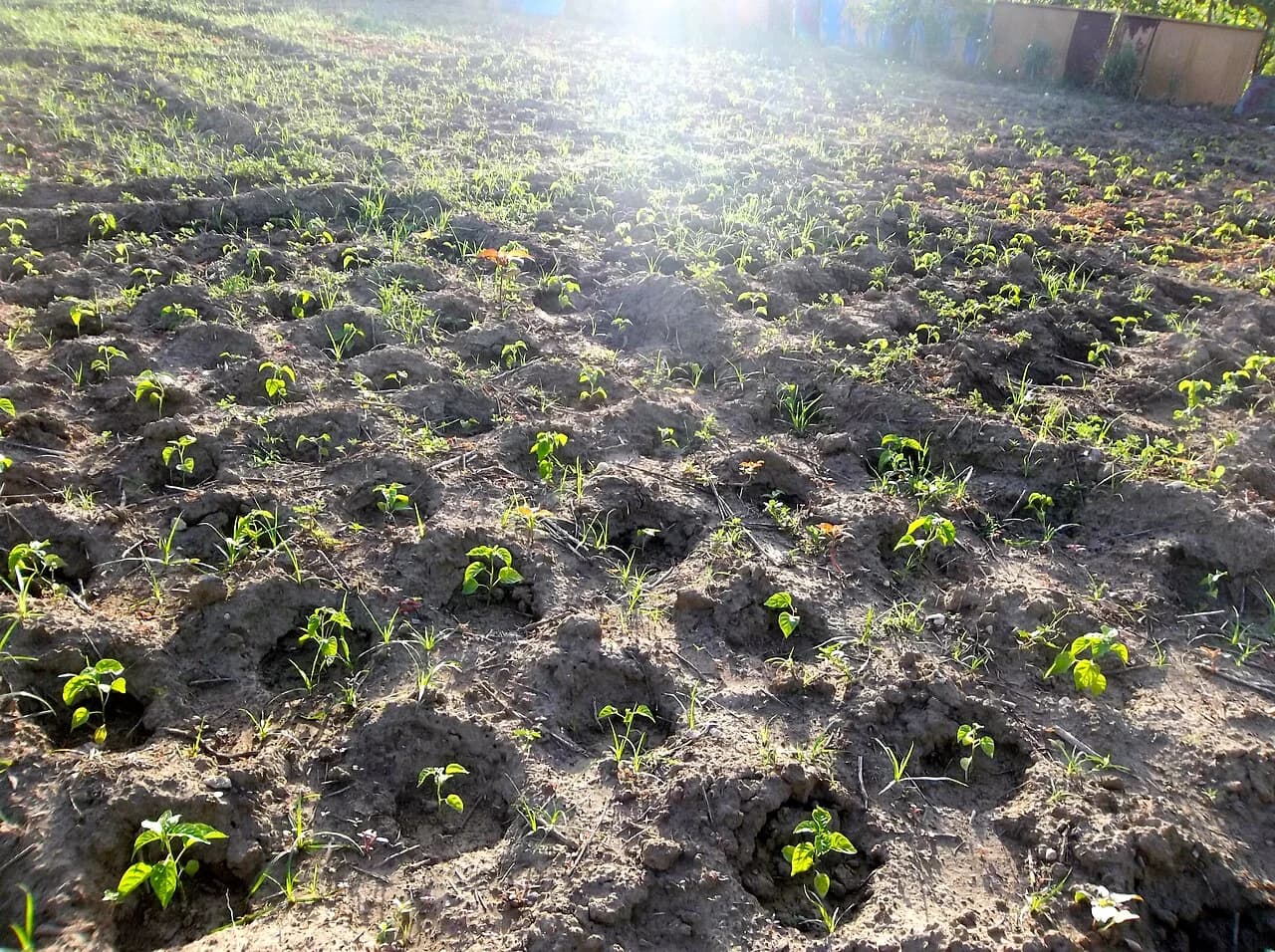
Violence by armed gangs has forced more than 1.5 million people from their homes, the UN says, and many rural families have abandoned land they once farmed. Those who remain are dealing with failing rains. "Rain isn't falling," farmer Dieula Célestin told UN News. Another farmer, Délivrance Dovily, said that because of the country's crisis, families struggle just to eat.
Hurricane Melissa struck southern Haiti a year before the report, adding to the damage in farming areas.
What are UN agencies doing?
The World Food Programme (WFP) says it has supported 2.6 million people in Haiti this year alongside national authorities, through emergency food and cash, malnutrition prevention and support for a social safety net. Its school meals reach more than 620,000 students, and 74 per cent of the food used in them is bought directly from local farmers. WFP also says it has pre-positioned enough rice, beans and cooking oil to feed up to 300,000 people for one month, and is helping rehabilitate water infrastructure and rural roads and offering crop-loss insurance against drought or excess rain.
The Food and Agriculture Organization (FAO) is handing out poultry and goats so families can earn cash and produce food quickly. "The animals are interesting because we can distribute them at any time," said Pierre Vauthier, who heads FAO's work in Haiti. The International Fund for Agricultural Development (IFAD) is investing in programmes alongside the two agencies, while the UN Humanitarian Air Service flies aid workers to Port-au-Prince and remote areas.
"As Haiti faces a complex and multifaceted crisis, it's more important than ever for UN agencies to work together," said Erwan Rumen, WFP's Acting Country Director in Haiti.
Why does it matter?
The warning comes a day after WFP said it plans to help 91 million people worldwide in 2027 and warned of a deepening global hunger crisis, as MapMyTimes reported. Security in the capital remains volatile: police said this week that 34 suspected gang members were killed in an operation in Port-au-Prince's Martissant area.
What is confirmed and what comes next?
The figures above are UN projections, not final counts; the projected 4 million drought-affected people refers to December 2026, and the 6.35 million food-insecure estimate covers March to June 2027. The UN report does not give a new funding appeal figure for Haiti. How severe the lean season becomes will depend on rainfall, security on farm roads and how much aid reaches rural areas.
Photo source · SuSanA Secretariat, CC BY 2.0