Union Textiles Minister Giriraj Singh toured handicraft and handloom centres in Gujarat's Kutch district on Saturday, 14 November, meeting Ajrakh block printers, weavers, exporters and designers to discuss how the region's traditional crafts can reach bigger markets at home and abroad, the government said.
The visit, part of a two-day trip to Kutch, took the minister to Ajrakhpur and the handloom village of Bhujodi, both in Bhuj taluka, according to a Press Information Bureau release issued from Ahmedabad.
Craft museum and a dialogue with artisans
Singh began at the Living and Learning Design Centre (LLDC) Craft Museum in Ajrakhpur, where he viewed artefacts that document Kutch's handicrafts, craft techniques and cultural traditions.
He then joined a "Shilp Samvad" (craft dialogue) at the LLDC auditorium. The release says he spoke directly with representatives of producer companies, non-governmental organisations, entrepreneurs, exporters, buyers, designers, award winners and master craftspersons. The talks covered the overall growth of the handicrafts sector, the difficulties artisans face, better market access, export opportunities, and ways to link traditional crafts with contemporary design and global demand.
Inside an Ajrakh workshop
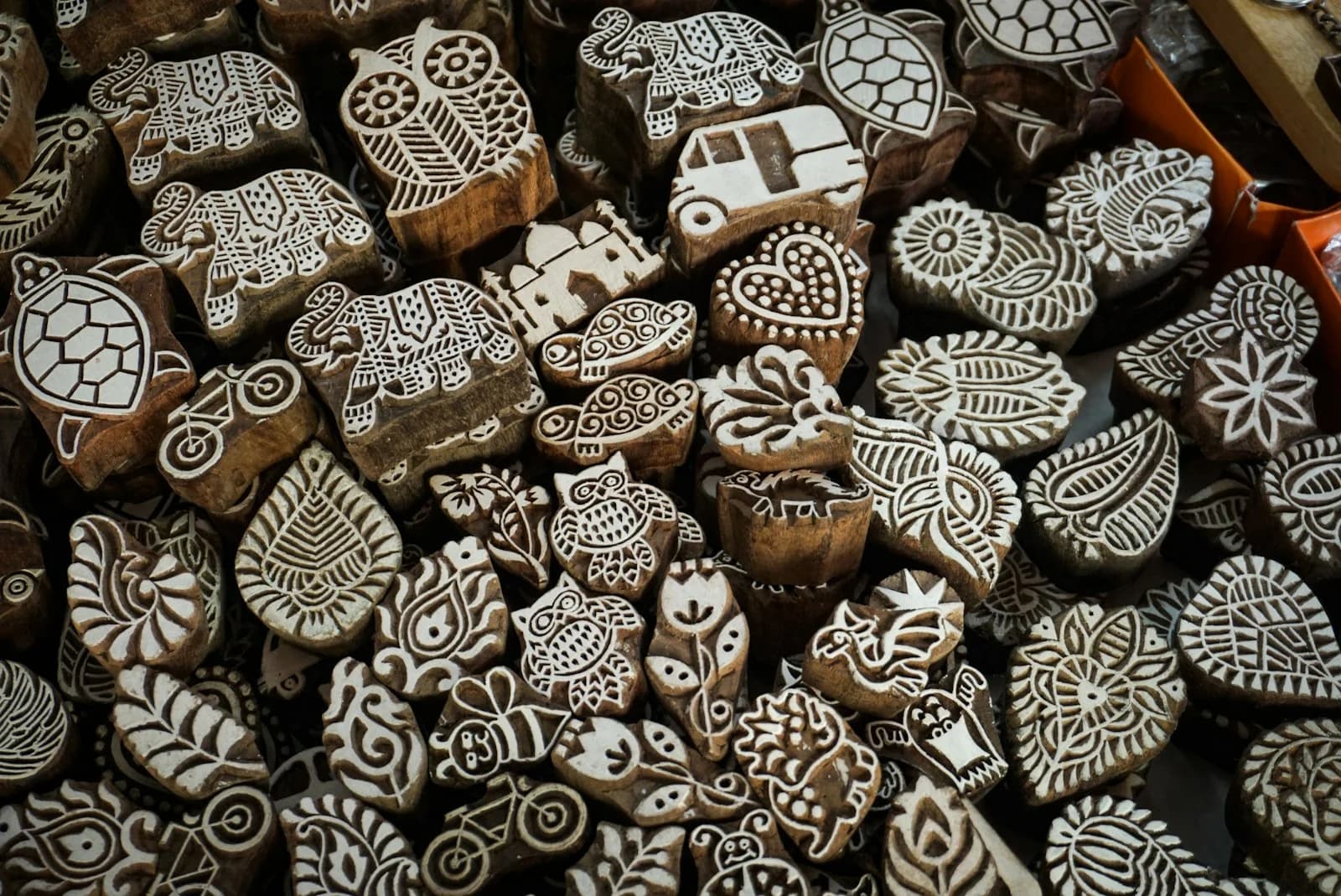
The minister visited the workshop and home of Ajrakh artisan Dr Ismail Khatri, where he inspected the hand block printing unit and learnt about the techniques and steps involved in the craft, the ministry said. Ajrakh is a traditional style of hand block printing on fabric, and Ajrakhpur is one of its best-known centres in Kutch.
Singh also visited an effluent treatment plant run under the "Chalo Ajrakhpur" initiative and was briefed on how it works and its role in protecting the environment. Dyeing and printing can produce polluted wastewater, so treatment facilities matter for craft clusters that want to grow without harming local land and water.
Bhujodi weavers and the earthquake memorial
At Bhujodi, a well-known handloom village, Singh met award-winning figures from the handloom sector, Dayal Kudeja and Chaman Premji, and senior weaver Vishram Valji, and learnt about traditional weaving methods and the local craft heritage, the release said.
During the trip he also visited the Smritivan Earthquake Memorial and Museum in Bhuj, which preserves the memory of the 2001 earthquake, and paid tribute to those who died in the disaster.
Why it matters
Kutch's crafts support many families of artisans and weavers, and the government framed the visit as part of its commitment to win national and international recognition for Kutch handicrafts, Ajrakh printing and handloom. According to the ministry, the focus was on hearing directly from artisans and weavers about their needs and looking at ways to strengthen market links, design innovation, skill development and export promotion.
The visit comes as handicrafts show strong export growth. A separate government factsheet released on the same day said handicraft exports, excluding hand-made carpets, rose about 36% in April-October 2026-27 compared with a year earlier.
For artisans, the practical questions are steady orders, fair prices and access to buyers who value handmade work. Direct conversations with the ministry give them a chance to raise those issues with the government.
What happens next
The release does not announce any new scheme or funding for Kutch. It says the government wants to create new opportunities for local artisans at national and international levels. Any concrete steps that come out of the Shilp Samvad discussions will be watched closely by the region's craft community.