The Gandhi Sagar Pumped Hydro Storage Project in Madhya Pradesh's Neemuch district is set to switch on its first two turbines in December 2026, the Free Press Journal reported on Sunday, 15 November. The roughly ₹11,500 crore project is being built by the Greenko Group and, according to the newspaper, is the largest independent pumped hydro storage project under construction in India.
The remaining seven units are expected to be commissioned by June 2027, the report said, citing the project's operating details from project manager Srinivas.
What the project is
According to the Free Press Journal, the plant will have an installed capacity of 1,920 MW spread across nine turbines and a storage capacity of 10,326 MWh. That is enough to run at full output for six hours at a stretch. Annual generation is estimated at 3,580 million units.
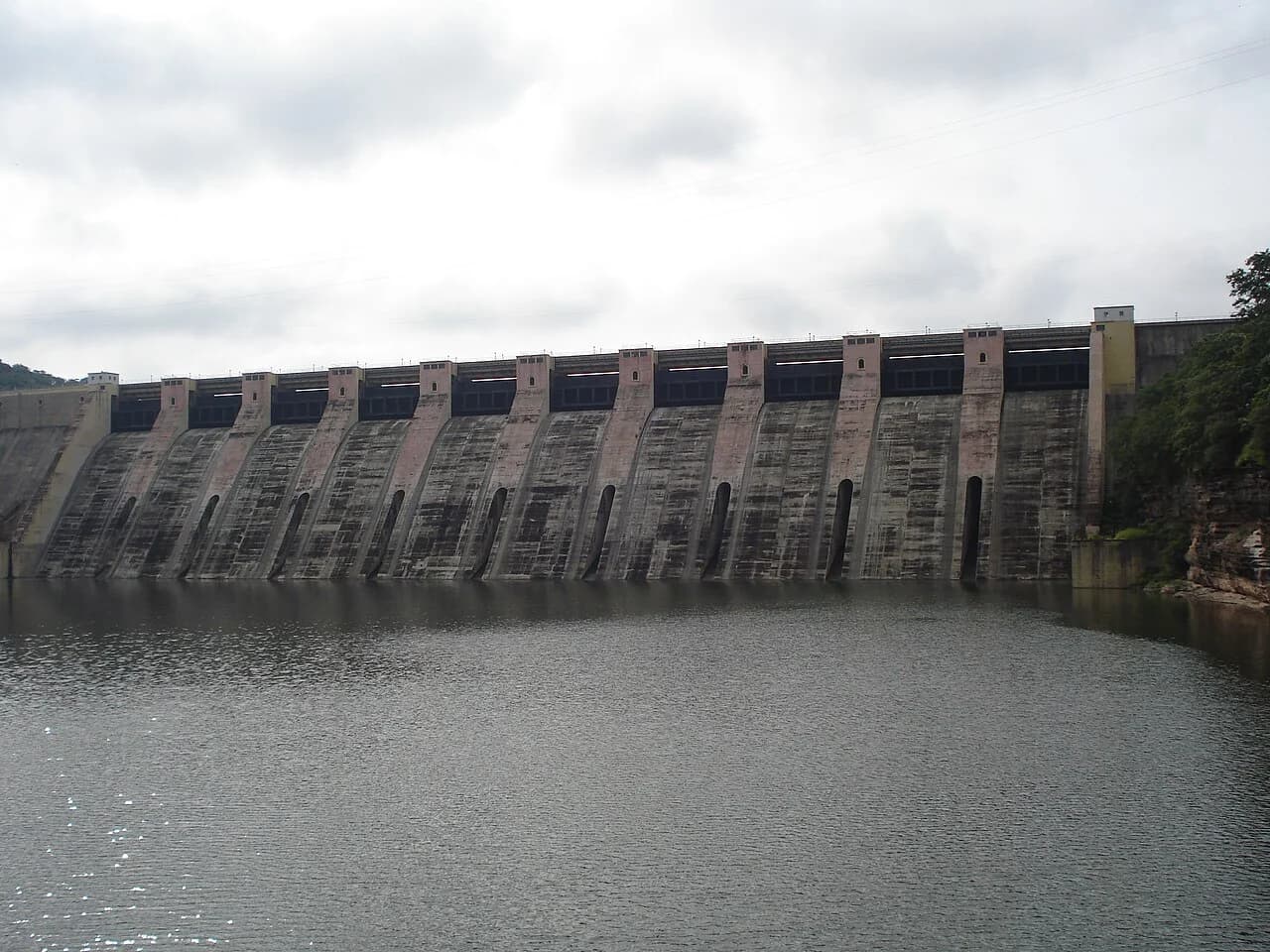
The project occupies about 414 hectares at Khemala village in Rampura tehsil, close to the Gandhi Sagar Dam on the Chambal river. It will be linked to a 765/400 kV substation in neighbouring Mandsaur district, about 60 km away, which will both feed power for pumping and take the electricity the plant generates, the report said.
How pumped storage works
A pumped hydro plant behaves like a very large rechargeable battery. As described in the report:
- When solar and wind farms produce more electricity than the grid needs, the surplus is used to pump water from a lower reservoir up to a higher one.
- When demand peaks, typically in the evening and at night, the water is released back down through turbines to generate power.
- The cycle can be repeated day after day.
At Gandhi Sagar, the existing reservoir, which the newspaper said holds about 270 thousand million cubic feet (TMC) or roughly 7,643.70 million cubic metres, will serve as the lower pool. Greenko is building a new upper reservoir. The turbines will work with a rated head of about 122 metres.
Water and efficiency
The plant will use about 2.4 TMC of water, around 67.66 million cubic metres, which will be circulated repeatedly between the two reservoirs rather than consumed, the Free Press Journal reported. The round-trip efficiency is put at about 80 per cent, meaning roughly four-fifths of the electricity spent on pumping can be recovered when the water flows back.
Why it matters
Solar and wind output rises and falls with the weather and the time of day. The report said the Gandhi Sagar plant is meant to smooth out those swings by absorbing surplus renewable power and supplying it back when demand is high, and that it would make Madhya Pradesh a major centre for energy storage.
What happens next
If the schedule reported by the newspaper holds, two units will begin operating in December 2026 and the full nine-unit plant will be in service by June 2027. Greenko has not, in the material reviewed for this report, issued a separate public statement confirming the December date, so the timeline rests on the Free Press Journal's reporting from Neemuch.
PS · LRBurdak, CC BY-SA 3.0