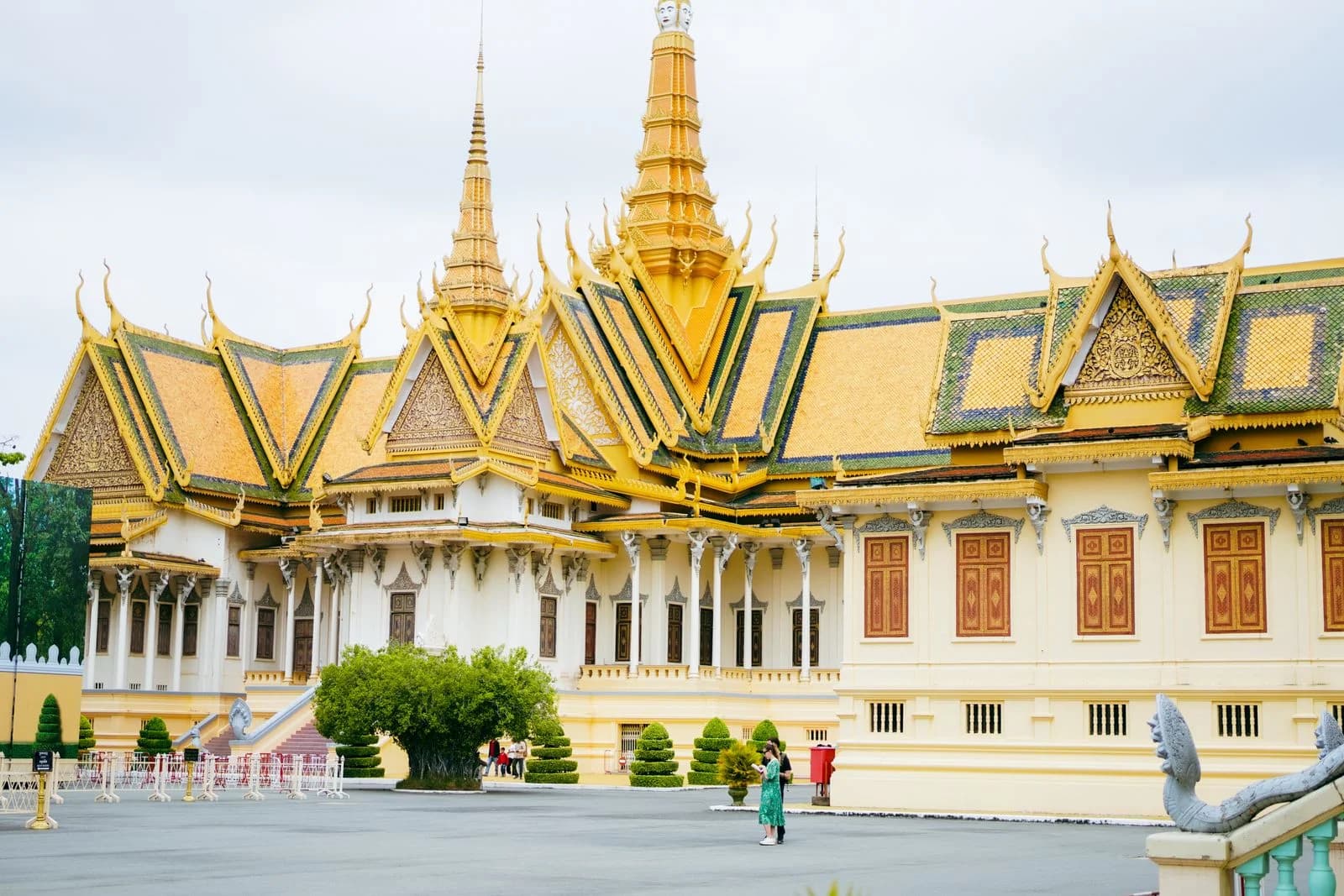
Leaders of the French-speaking world opened the 20th Francophonie Summit in Phnom Penh, Cambodia, on Sunday, 15 November, with a bitter dispute between the Democratic Republic of the Congo and Rwanda over who should lead the organisation hanging over the two days of talks.
Cambodia's King Norodom Sihamoni and Louise Mushikiwabo, secretary-general of the Organisation internationale de la Francophonie (OIF), welcomed leaders at the opening ceremony, according to an AFP report. French President Emmanuel Macron and Canadian Prime Minister Mark Carney are among those attending. Al Jazeera reported that about 20 leaders were expected, including Rwanda's Paul Kagame and the DRC's Felix Tshisekedi.
A contested leadership race
The summit is due to choose a secretary-general for a four-year term on Monday, 16 November. Mushikiwabo, a Rwandan, is seeking a third term. The DRC strongly opposes her and has threatened to leave the organisation if she is re-elected, according to reports.
On Saturday, Kinshasa withdrew its own candidate, Juliana Lumumba, and threw its support behind former Romanian prime minister Dacian Ciolos, saying it wanted "consensus around a unifying candidacy", Al Jazeera reported. Mauritania's Coumba Ba, a former minister, is also in the race.
Rwanda's foreign minister, Olivier Nduhungirehe, said Mushikiwabo would stay in the contest. Rwanda has said Macron asked Kagame to withdraw its candidate and that Kigali refused. Macron's office, for its part, said Paris had suggested that both the Congolese and Rwandan candidates step aside in the interest of unity, AFP reported.
The conflict behind the dispute
The rivalry is rooted in the fighting in eastern Congo. Kinshasa accuses Rwanda of backing the M23 armed group, a charge Kigali denies. Al Jazeera noted that the US and UN experts have made the same accusation.
Why it matters
The OIF groups 90 states and governments: 53 full members, five associate members and 32 observers, according to Swiss news agency Keystone-SDA. Losing the DRC would be a serious blow. AFP described it as the second most French-speaking country after France, with 57.3 million speakers. The organisation has already lost Mali, Niger and Burkina Faso, which withdrew after military coups.
Money also counts. France is the largest donor, and Canada the second largest, according to AFP. Al Jazeera put the OIF's 2026 budget at 71.7 million euros.
Rights concerns and the host
Cambodia has been a full OIF member since 1993, and this is only the second Francophonie summit held in Asia, after Hanoi in 1997, Keystone-SDA reported. Its theme is "Reinvest in Peace for Shared Prosperity and Lasting Stability". Rights activists see the meeting as a chance to press the government. UN Special Rapporteur Tom Andrews urged delegates to seek the release of detained activists, saying: "No one should be detained for defending human rights, reporting on matters of public concern, or voicing critical opinions."
Macron is the first French president to visit Cambodia since 1993, AFP said. Switzerland is represented by Foreign Minister Ignazio Cassis, who plans to highlight Swiss mediation work and Geneva's role in digital governance.
What next
The secretary-general vote on Monday is the summit's main decision. The result will show whether the organisation can avoid a walkout by its most populous French-speaking member. Macron is due to visit the Angkor World Heritage Site on Monday before leaving for Malaysia.