More than 100,000 people marched across France on Saturday, 14 November, in the fifth weekend in a row of protests over the rising cost of living, low wages and police violence, according to France's interior ministry. The turnout was the lowest in recent weeks, and the ministry reported 219 arrests nationwide.
Rival counts
The interior ministry put the national figure at about 106,000, including 24,000 in Paris. A week earlier it had counted 146,000 nationwide and 46,000 in the capital. A coalition of youth and student unions gave a much higher estimate of 200,000 across the country, nearly 100,000 of them in Paris, down from its own figure of 250,000 the previous Saturday.
Students, trade unionists and activists from the Yellow Vest (gilets jaunes) movement joined the marches. High-school blockades, mass rallies and strikes have hit France for more than a month, since a first major day of protest on 17 October that saw looting in several cities.
Heavy policing, scattered clashes
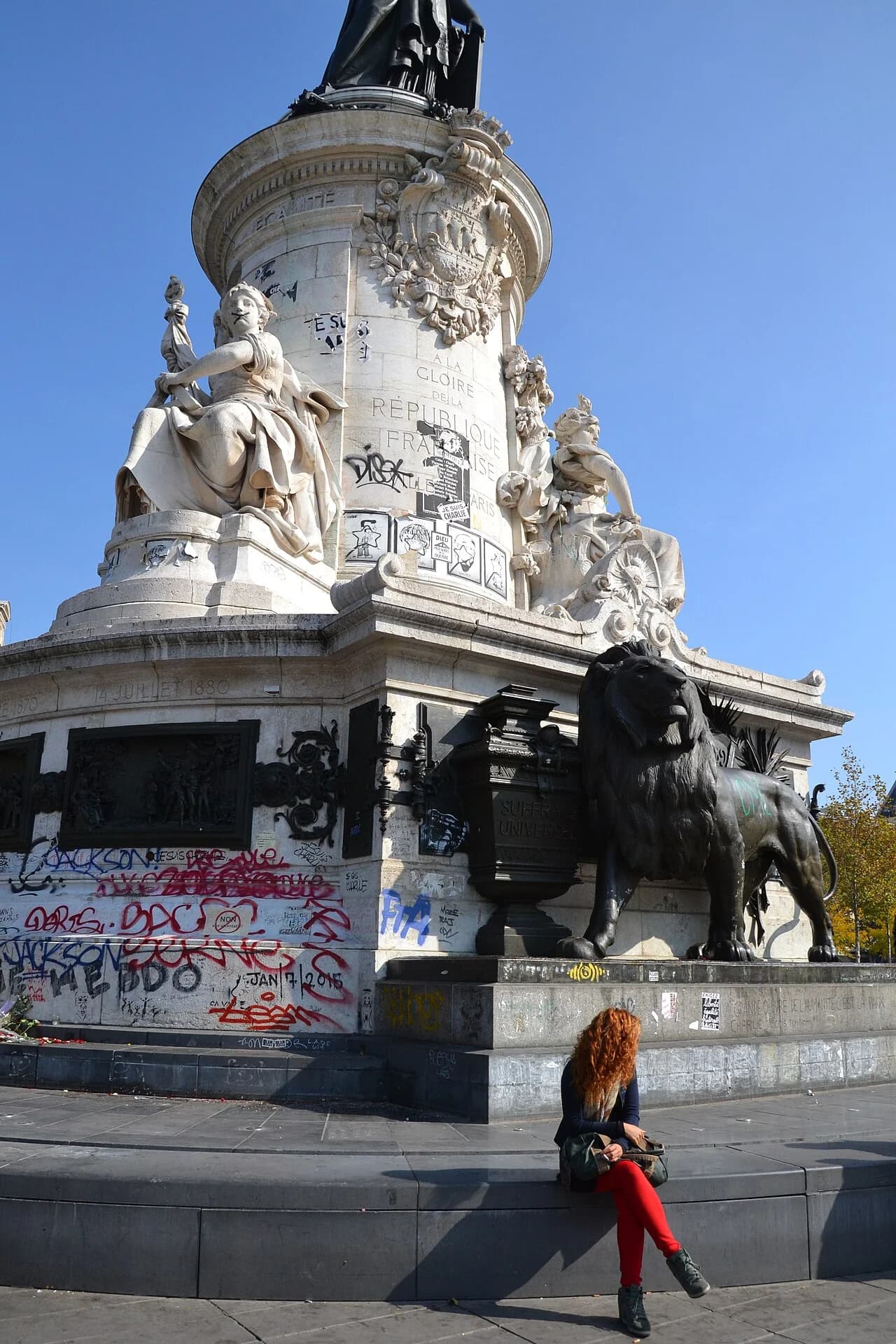
Authorities deployed about 70,000 police officers and gendarmes for 50 to 60 planned marches, France 24 reported. In Paris, the march left Place de la République in the afternoon for Place de la Nation, and police asked for 21 métro stations to be closed along the route and in the city centre.
During the afternoon, an interior ministry spokesperson said the situation across the country remained "calm and under control". Later in the evening, the ministry reported violent but limited incidents in Marseille, Grenoble, Lyon, Bordeaux, Montpellier, Toulouse and Lille, where projectiles and fireworks were thrown at officers. Ten police officers suffered minor injuries. In Lyon, the ministry said a television crew was assaulted and that at least one suspect was arrested.
Paris prosecutors reported 45 arrests in the capital. Arrest numbers were well below those seen at earlier mass protests, France 24 noted. Marseille had banned protests for the weekend, but the local prefecture said about 3,500 people marched anyway, Al Jazeera reported, citing local media accounts of tear gas and a water cannon. Local media in Lyon estimated the crowd there at about 8,000.
What protesters want
Demonstrators raised a wide range of grievances, from prices and pay to falling school standards. Many also targeted a bill before parliament that would presume police officers who use their weapons acted in self-defence. Supporters, including Marine Le Pen's far-right party, say it would stop officers being automatically suspected of excessive force; activists have called it a "licence to kill".
The government has offered to raise the minimum wage by 0.6 percent, which unions dismissed as "crumbs". Yellow Vest protester Benjamin Ball told AFP in Paris: "The government has only given us crumbs, and we want the whole bakery."
Not every union is fully on board. The CGT did not issue a national call to march on Saturday, although its Greater Paris branches backed the movement. Karl Ghazi, the CGT's Paris general secretary, spoke of "activist fatigue".
Why it matters
The protests add pressure on President Emmanuel Macron, whose popularity in recent polls is at its lowest since he first took office in 2017, according to France 24. The government has little room to meet protesters' demands while it tries to cut public debt, and polls show the far right leading ahead of next year's presidential election.
What happens next
Unions have called a new day of strikes for Tuesday, 17 November. The date also marks eight years since the Yellow Vest movement began in 2018 over rising fuel prices, and the movement has said it will mark the anniversary on roundabouts and at toll booths across France. The largest recent mobilisation was a union-led strike day last Thursday, which drew more than half a million people according to official figures.