The US Federal Communications Commission (FCC) granted SpaceX conditional authorisation on November 26, 2026, to launch and operate up to one million solar-powered Starmind satellites designed as orbital artificial intelligence data centres. While federal regulators framed the plan as an expansion of space-based computing capacity, astronomers immediately warned that a constellation of unprecedented scale threatens scientific observation and low-Earth orbit safety.
Milestone Schedule and Spacecraft Specifications
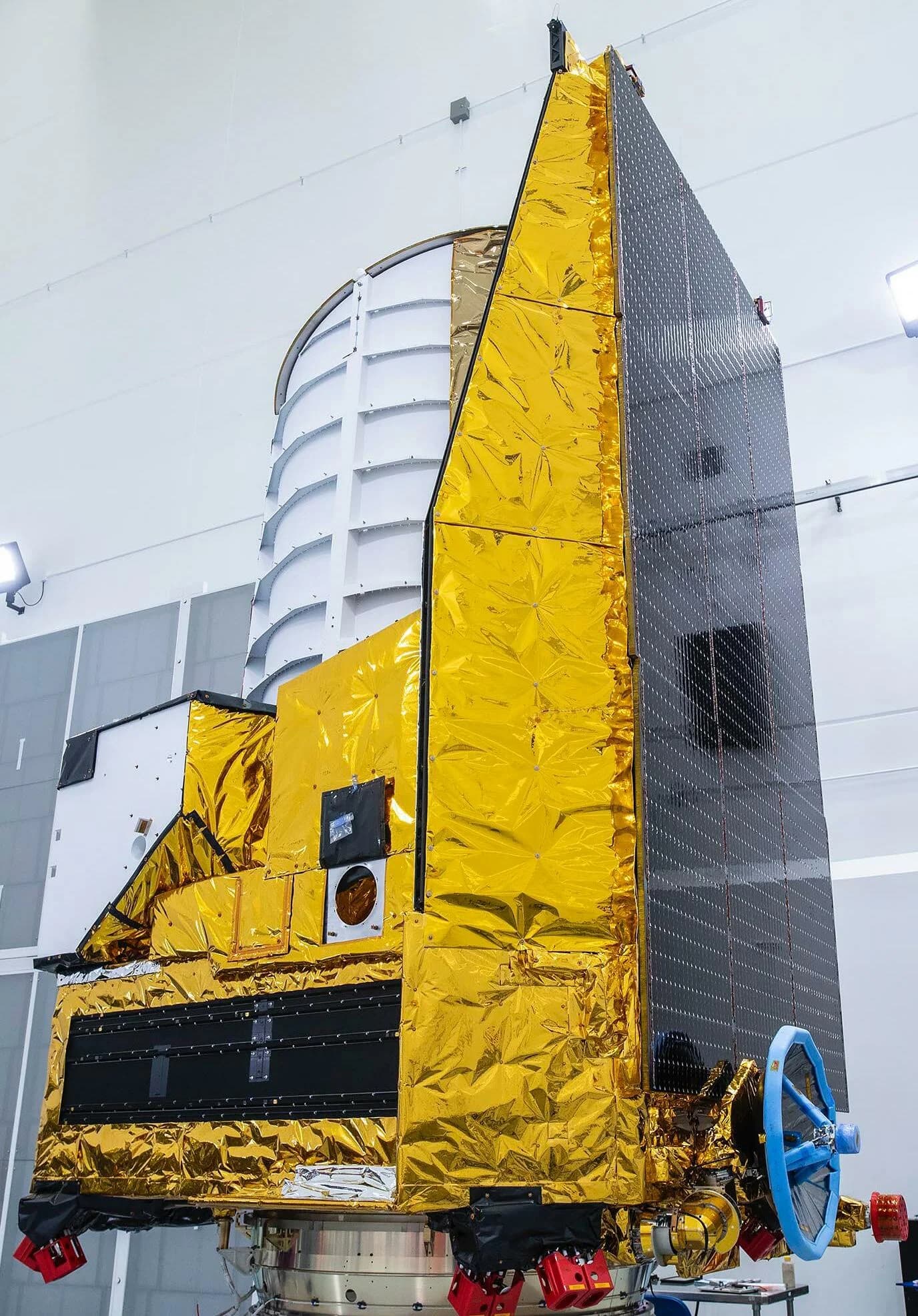
Under the FCC licensing order, SpaceX must launch its first operational Starmind unit into orbit by November 25, 2033, deploy 50 percent of the authorised fleet by 2038, and complete the full one-million-satellite constellation by 2040. Technical filings indicate each spacecraft is projected to feature an expansive 75-metre solar wingspan and roughly 250 kilowatts of onboard power to run compute payloads in orbit.
The conditional approval sets milestone-based deployment checks rather than granting unconditional spectrum freedom, requiring SpaceX to meet staggered operational benchmarks over the coming decade.
Pushback from the American Astronomical Society
In a sharp reaction reported on November 27, the American Astronomical Society (AAS) criticised the decision, warning that up to one million large reflective satellites with 75-metre arrays would create pervasive optical streaking and radio-frequency interference for ground-based observatories worldwide.
Astronomers and orbital safety specialists also raised concerns over elevated collision risks in congested orbital shells and potential upper-atmosphere chemical effects from mass satellite reentries over multi-year replacement cycles.
- Authorised ceiling: Up to 1 million Starmind orbital AI data centre satellites
- Key deadlines: First unit by November 25, 2033; 50% by 2038; full fleet by 2040
- Core objections: Optical and radio interference, orbital debris, and atmospheric reentry impacts