The United States Department of Labor (DOL) has proposed the biggest rewrite in nearly two decades of PERM, the labour certification process that most employers must complete before they can sponsor a foreign worker for an employment-based green card. The notice of proposed rulemaking was published in the Federal Register on 17 November 2026 after being announced a day earlier, and it has since drawn wide coverage in the US and Indian media. It is a proposal, not a final rule, and today's requirements remain in force.
What has the US Labor Department proposed?
The Labor Department has proposed longer and broader recruitment of American workers, a much stricter bar on employers who have laid people off, and the end of a fast lane used for nurses and physical therapists. The 107-page document, titled "Modernizing the Labor Market Test and Improving Protections for U.S. Workers in the PERM Immigrant Visa Program", says the changes are meant to protect the wages and job opportunities of US workers. According to the notice, the department has not updated these regulations in nearly 20 years.
The main proposals in the published text are:
- Longer job advertising: recruitment advertisements would have to stay active for at least 90 calendar days, or longer if the employer usually advertises similar non-PERM jobs for longer.
- No compulsory newspaper ads: the current requirement of print advertisements on two Sundays in a newspaper would go, replaced by the recruitment channels employers normally use, such as their own websites and job sites.
- Two-year layoff bar: an employer could not file if it had laid off US workers in the same or a substantially comparable job in the area of intended employment within the two years before filing. Newsweek reported that current rules look back six months.
- Layoffs after filing: employers would have to report qualifying layoffs that happen after filing and before the immigrant petition is approved, according to the rule text and a client note from the law firm Nixon Peabody.
- Schedule A scrapped: the list that lets nurses, physical therapists and some people of exceptional ability skip the labour market test would no longer be administered.
- Remote jobs: the department is seeking comments on whether fully remote positions should remain eligible, Newsweek and Nixon Peabody reported.
Why does PERM matter for a green card?
Under US immigration law, workers in the EB-2 and EB-3 categories generally cannot get an employer-sponsored green card unless the Labor Secretary first certifies that no sufficient, able, willing and qualified US workers are available for the job, and that hiring the foreigner will not hurt the wages and conditions of similar US workers, the notice explains. The main exception is the National Interest Waiver, under which certain EB-2 applicants can petition for themselves without a job offer. In practice, PERM is the first step on the employer-sponsored route that many skilled foreign workers in the US take from a temporary work visa towards permanent residence.
Background: how did we get here?
- December 2004: the last revisions to the Schedule A list were made that year, according to the notice.
- 21 December 2023: the department sought public input on whether to add science, technology and other shortage occupations to Schedule A; it says it received more than 2,000 comments but no workable method to update the list.
- 18 September 2026: the notice cites a presidential proclamation of that date restricting entry of certain non-immigrant workers, which accused some IT staffing and outsourcing firms of abusing the system.
- October 2026: On 28 October, Business Today reported that the White House Office of Management and Budget had finished reviewing the Labor Department's proposal.
- 16-17 November 2026: the proposed rule was announced and then published.
What do the numbers say?
The department's own cost analysis says that, on average, about 26,277 unique employers filed PERM applications each year between fiscal years 2023 and 2025. It says USCIS received 20,557 petitions under Schedule A occupations in FY 2023, 27,428 in FY 2024 and 23,521 in FY 2025, an average of about 23,835 a year. The department estimates that dropping mandatory newspaper ads would save employers about $174 million a year. The notice also says that in FY 2025, computer and technology-related jobs made up the vast majority of H-1B and PERM jobs certified by the department.
What are the two sides saying?
The department argues that tech employers are laying off large numbers of US workers while still seeking certifications for foreign hires, and that recent US college graduates in computer-related fields face high unemployment. On Schedule A, it says it can no longer confirm that a nationwide shortage of those workers exists. Newsweek quoted Labor Secretary Keith Sonderling as saying that American workers "are the best in the world, and they deserve the first and best job opportunities."
Immigration lawyers see a far harder road. Nixon Peabody wrote that the changes "will make it much more difficult for employers to successfully sponsor key foreign national employees", and warned that costs and timelines would rise sharply for healthcare employers that rely on foreign staff. Adam Klein, a former senior Department of Homeland Security official, told Newsweek the layoff provision could have far-reaching effects for technology companies that restructure regularly, and could stop some employers from sponsoring anyone at all.
What does it mean for Indians in the US?
Indian outlets including The Indian Express and The Times of India have led their coverage with what the proposal means for Indian professionals. Because the department itself says tech jobs dominate PERM certifications, workers in that sector, many of whom move to PERM from the H-1B visa, are most exposed to the layoff bar and to longer recruitment. If a large tech employer has had qualifying layoffs in the same kind of role in the past two years, the proposed rule would stop it from filing for that role. Nurses and physical therapists recruited from abroad would lose the Schedule A shortcut and go through full recruitment. For earlier coverage of US visa changes affecting Indians, read our explainer on the court ruling that scrapped the four-year cap on student visas.
What is established and what is uncertain
Established (from the published notice):
- The proposed rule was published on 17 November 2026 as Federal Register document 2026-23370.
- Comments are open until 19 January 2027.
- It proposes 90-day minimum recruitment, ends mandatory newspaper ads, sets a two-year layoff bar and ends Schedule A.
- The department proposes a 90-day transition after a final rule: a 60-day delayed effective date plus 30 more days.
Uncertain:
- Whether, when and in what form a final rule will be issued; no timetable has been set, Nixon Peabody noted.
- Whether fully remote jobs will stay eligible.
- How many Indian applicants would be affected; the notice does not give a breakdown by nationality, and MapMyTimes could not verify one.
- Whether the rule will face legal challenges.
What happens next?
The public, employers and workers can file comments on the Regulations.gov docket until 19 January 2027; the Federal Register record showed 313 comments by 18 November. The department must then review them before it can publish a final version. Under the proposal, applications filed before the transition ends would stay under the current rules, while those filed afterwards would have to meet the new ones. Until then, nothing changes for pending cases.
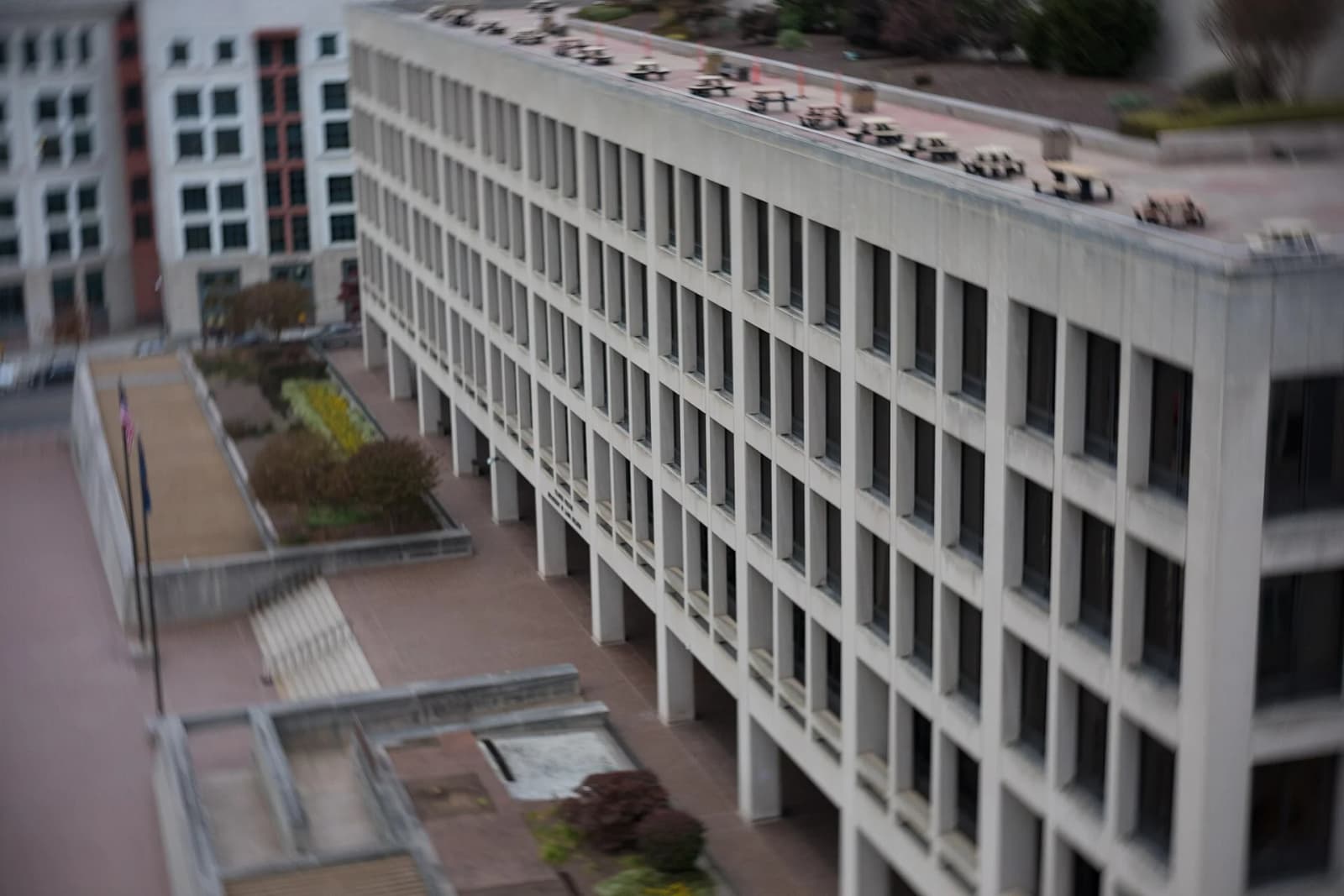
Photo source · US Department of Labor, CC BY 2.0