A federal judge in Boston has thrown out a Trump administration rule that would have limited most foreign students and exchange visitors in the United States to a fixed stay of no more than four years. The decision, delivered on Monday, 16 November, keeps in place the decades-old "duration of status" system, under which students may remain in the country for as long as they are enrolled in their programme. The ruling landed on the same day the Institute of International Education (IIE) published its annual Open Doors report, which shows India is still the largest source of international students in the US even as its numbers fell for the first time since 2020-21.
What happened
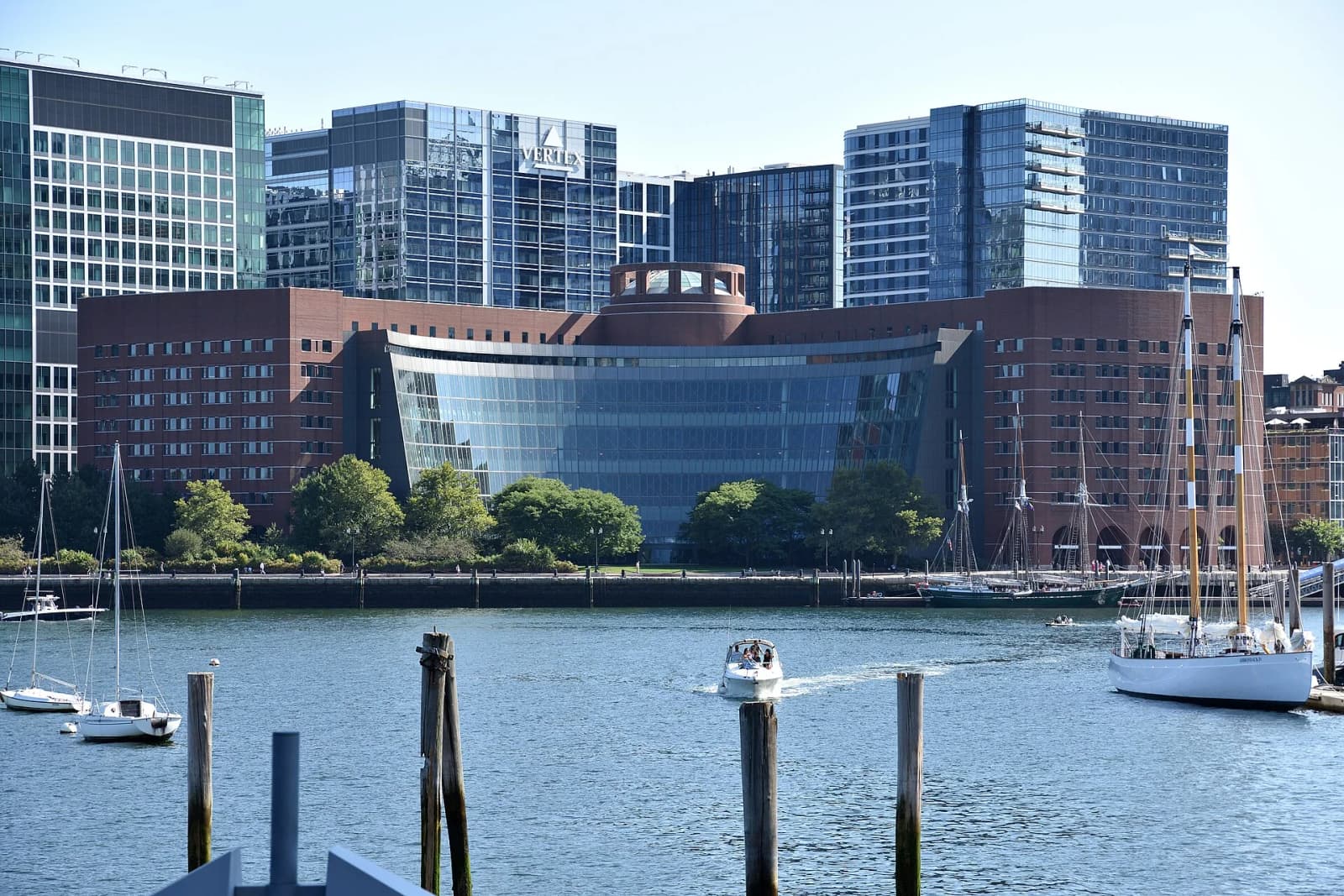
US District Judge F. Dennis Saylor IV of the District of Massachusetts set aside the Department of Homeland Security (DHS) rule in its entirety. He found the rule "arbitrary, capricious, an abuse of discretion, and otherwise not in accordance with law" under the Administrative Procedure Act, the federal law that governs how agencies make regulations, according to STAT News.
The judge also held that DHS had gone beyond the powers Congress gave it. "The statute simply does not grant DHS such broad and open-ended authority to undermine the F-1 visa program," he wrote, as quoted by ICEF Monitor and Higher Ed Dive. In another passage reported by the American Institute of Physics (AIP), he wrote that DHS was "seeking to prevent or discourage the very activity" that Congress had wanted to encourage.
According to ICEF Monitor, the court found that the department had not properly weighed costs against benefits, had not backed up its claims about fraud and national security, had not looked at less burdensome options and had not adequately answered significant public comments. The court also noted that DHS did not seriously consider improving its existing student-tracking database, SEVIS, instead of building a costly new system. Higher Ed Dive reported that the judge described the proposed extension process as an "unreviewable, completely discretionary renewal system".
What the rule would have done
DHS published the rule in the Federal Register on 17 July 2026, citing national security and the prevention of visa fraud, Higher Ed Dive reported. Its main features, as described by the court reports and immigration lawyers, were:
- Fixed admission periods for F (student), J (exchange visitor) and I (foreign media) visa holders, capped at four years for students and exchange visitors.
- Anyone needing more time would have had to apply to US immigration authorities for an extension, with approval left to officials' discretion.
- The grace period for F-1 students after finishing a course would have been cut from 60 days to 30 days, according to the Garfinkel Immigration law firm.
- F-1 graduate students would have been barred from changing majors mid-programme, and students who finished one US programme would have been unable to start another at the same or a lower level. The judge gave the example that a holder of a law degree could not then pursue a US master's, and said the restriction could effectively rule out joint degrees, according to Higher Ed Dive and AIP.
Timeline
- 17 July 2026: DHS publishes the final rule, due to take effect on 15 September.
- August 2026: A coalition of higher-education and labour groups sues, including the Presidents' Alliance on Higher Education and Immigration, NAFSA: Association of International Educators, the Association of Independent Colleges and Universities in Massachusetts, the American Federation of Teachers and its graduate-worker local, the United Auto Workers and the NewsGuild-CWA.
- 14 September 2026: Judge Saylor halts the rule a day before it was due to take effect, finding the challengers likely to win. The government appeals that order.
- 13 November 2026: At the government's request, the US Court of Appeals for the First Circuit pauses that appeal while the district court decides the case on its merits, according to AIP.
- 16 November 2026: The judge issues his final ruling and vacates the rule.
The numbers behind the fight
The Open Doors 2026 report, released by IIE on 16 November, counted about 1.1 million international students at US institutions in 2025-26, down 2.7 per cent from a year earlier, Higher Ed Dive reported. ICEF Monitor said new international enrolments fell 18 per cent.
For India, the figures reported by ThePrint from the report are:
- 339,435 Indian students in 2025-26, down 6.5 per cent from 363,019; India stayed the top source country for a third year.
- Indian graduate students fell 34 per cent, from 177,892 to 116,609.
- Indian undergraduates dipped about 1 per cent to 39,711.
- Indians on Optional Practical Training (OPT), the post-study work route, rose 27 per cent to 182,201, more than half of all Indians counted.
- China was second with 254,458 students, down 4.3 per cent.
IIE's preliminary Fall 2026 Snapshot, based on 809 institutions, points to a further slide: overall international enrolment down 9 per cent and new enrolment down 15 per cent, ThePrint reported. Of the institutions reporting declines, 88 per cent cited the visa application process.
The four-year cap mattered most for longer courses. A 2025 AIP analysis found that about 97 per cent of international physics and astronomy PhD recipients took more than four years to finish.
What each side says
The challengers: Miriam Feldblum of the Presidents' Alliance called the decision a victory and said keeping duration of status gives students "greater certainty", according to ICEF Monitor. NAFSA chief Fanta Aw said the ruling sends a clear message that the policy is retained. Robert McCarron of the Massachusetts colleges' association noted that the whole rule had been vacated, while AFT president Randi Weingarten described the proposed study limits as arbitrary and hostile to international scholars.
The government: DHS had defended the rule on national security and anti-fraud grounds. Higher Ed Dive reported that the department did not immediately respond to questions about its next steps, and ICEF Monitor found no administration statement on the ruling.
What it means for Indian students
Because India sends more students to the US than any other country, Indians make up the largest single group that a fixed four-year clock would have affected. With the rule vacated, students admitted under duration of status keep their right to stay for the full length of their programme. Any extension continues to run through the Designated School Official at their university, as before, ICEF Monitor noted. Students may also still transfer between institutions and enrol in additional programmes without automatically needing a fresh extension.
The decision matters most for doctoral candidates, since such degrees often take longer than four years, as universities warned according to STAT News; for researchers on J-1 visas, who were also covered by the rule; and for students who planned a second US degree or a change of field. The 60-day grace period after completing a course also stays.
The ruling does not, however, touch other pressures on Indian applicants. ThePrint, citing the report, said F visas issued to Indians fell 52.6 per cent in 2024-25. In IIE's fall survey, 95 per cent of institutions said students would probably look at other countries if access to OPT were restricted.
Established and uncertain
Established:
- The District of Massachusetts vacated the entire DHS rule on 16 November; both the challengers and independent reports describe the order the same way.
- Duration of status remains in force for F-1, J-1 and I visa holders for now.
- The Open Doors 2026 figures, published by IIE, show India as the top source country with 339,435 students, down 6.5 per cent.
Uncertain:
- Whether, and when, the government will appeal the final ruling. ICEF Monitor said an appeal is widely expected, but none had been reported.
- Whether a higher court could revive the rule, or whether DHS will attempt a new version that addresses the judge's objections.
- DHS's claims that the rule was needed to fight fraud and protect national security, which the court found the department had not justified.
- The Fall 2026 enrolment figures, which are preliminary and drawn from a subset of institutions.
What next
The government's earlier appeal of the September order remains paused at the First Circuit. According to AIP, an appeal on its own would not bring the rule into force; that would require a court to step in. Until then, students, universities and their international offices continue to work under the existing duration-of-status framework.