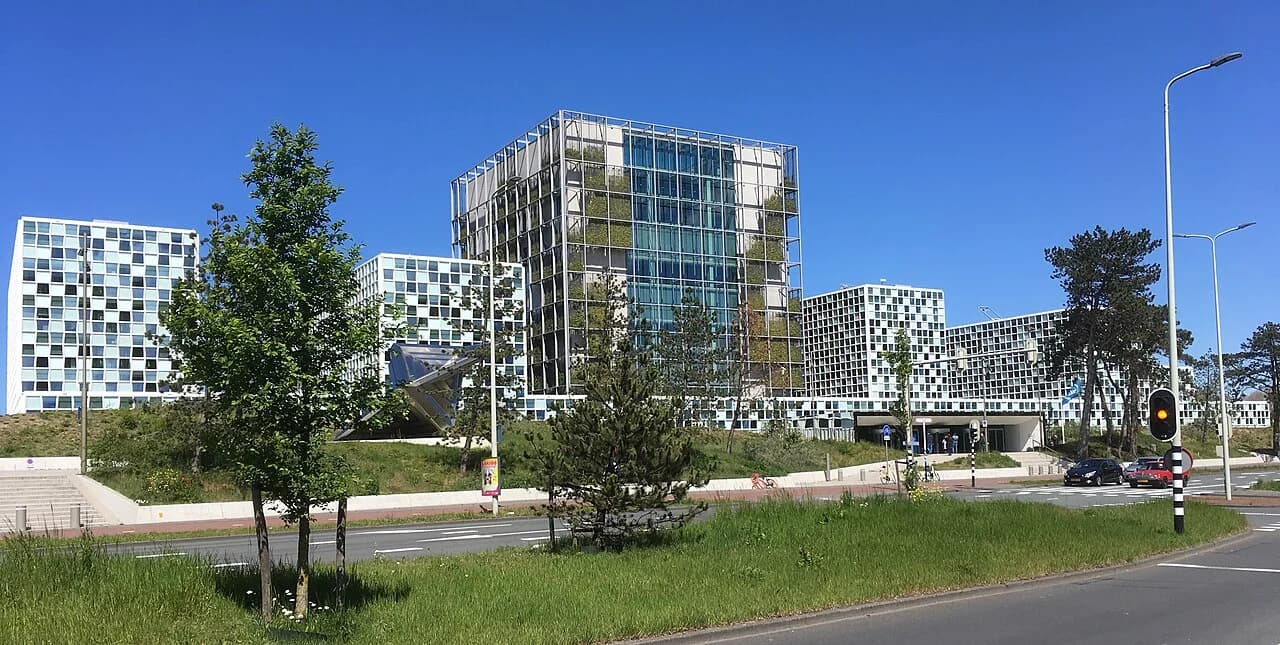
The trial of former Philippine President Rodrigo Roa Duterte opens before the International Criminal Court (ICC) in The Hague at 10:00 local time on 30 November 2026. He faces three counts of crimes against humanity, murder and attempted murder, linked to the "war on drugs" killings carried out while he was mayor of Davao City and later president. The court itself says the case could run for several years.
What is the case against Rodrigo Duterte?
Prosecutors allege that Duterte is criminally responsible for murders and attempted murders committed as part of a widespread and systematic attack on civilians in the Philippines between 1 November 2011 and 16 March 2019. The charges fall under article 7(1)(a) of the Rome Statute, the ICC's founding treaty. In its media advisory of 30 October 2026, the court set out the three counts:
- Count 1: murder as a crime against humanity in Davao City during his time as mayor, from 2013 to around June 2016.
- Count 2: murder as a crime against humanity of so-called "High-Value Targets" in different parts of the Philippines during his presidency, from around July 2016 to July 2017.
- Count 3: murder and attempted murder as crimes against humanity during "barangay clearance operations" across the country, from around July 2016 to September 2018.
The court's question-and-answer document also describes Duterte, who was born on 28 March 1945, as the alleged founder and head of the Davao Death Squad at the time of the conduct in question. These are allegations. Under ICC rules, he is presumed innocent until proven guilty.
Why is it in the news?
It is in the news because the trial formally opens on 30 November 2026, more than a year and a half after Duterte was taken into ICC custody. The arrest warrant was issued in secret on 7 March 2025 and made public on 11 March 2025. He was surrendered to the court on 12 March 2025 and made his first appearance on 14 March 2025. Since then he has been held at the ICC Detention Centre in Scheveningen, The Hague.
Judges of Pre-Trial Chamber I held a confirmation of charges hearing from 23 to 27 February 2026. Duterte waived his right to attend. On 23 April 2026, the chamber unanimously confirmed all three counts, finding "substantial grounds to believe" he was responsible, and sent the case to trial. Trial Chamber III, made up of Presiding Judge Joanna Korner, Judge Keebong Paek and Judge Nicolas Guillou, set the opening date on 27 May 2026.
His defence had raised questions about his health. On 8 October 2026, the trial chamber ruled that he was fit to stand trial. It relied on an independent panel of experts, which found that he can understand the charges, follow the proceedings and instruct his lawyers.
How can the ICC try him if the Philippines left the court?
The ICC can try him because the alleged crimes took place while the Philippines was still a member of the court. According to the ICC's Philippines situation page, the country joined the Rome Statute on 1 November 2011 and filed notice of withdrawal on 17 March 2018. The withdrawal took effect a year later, on 17 March 2019. The court keeps jurisdiction over crimes committed on Philippine territory up to and including 16 March 2019. That is why every count ends before that date, even though the court has noted that the alleged crimes appear to have continued afterwards.
What happens on the first day?
On the first day, the judges will check that Duterte understands the charges and then ask whether he admits guilt or pleads not guilty. Opening statements follow. Under the schedule the Trial Chamber set in its latest trial announcement, the prosecution has 2 hours and 15 minutes, the common legal representatives of victims 1 hour and 30 minutes, and the defence 1 hour to outline its case. Hearings will run in four one-hour sessions a day between 10:00 and 16:00 Hague time. The ICC streams them with a 30-minute delay on its website, Facebook and YouTube channels.
Once opening statements are over, the Chamber will immediately begin hearing the first prosecution witness, the ICC said. In all, the prosecution currently expects to call about 100 witnesses.
Victims also have a formal role. The judges have allowed more than 500 victims to take part, represented by a single team of lawyers: Joel Butuyan and Gilbert Andres, along with Paolina Massidda of the court's Office of Public Counsel for Victims. Duterte is represented by lead counsel Peter Haynes KC and associate counsel Kate Gibson. The court says he is not eligible for legal aid and pays for his own defence.
How does it affect you?
For most readers outside the Philippines, the direct effect is limited, but the case tests how far international criminal law can reach a former head of government. It is a criminal case against one individual, a former president, over conduct during an official anti-drug campaign, and its progress will be followed by governments, rights groups and the more than 500 victims taking part.
For families of people killed in drug-war operations, the trial is a route to having their accounts heard in court. If Duterte is convicted, they could later seek reparations, which the ICC says may include compensation, rehabilitation or symbolic measures. Reparations are considered only after a conviction. The case also matters to other states, because it shows that withdrawing from the ICC does not end its jurisdiction over crimes committed while a country was still a member.
What happens next?
Next, the prosecution will present its case, which the ICC expects to take several months of hearings. The victims' lawyers may then submit observations, and the defence can present its own evidence and witnesses. The ICC warns that the whole trial may last several years.
The judges can convict only if they find the charges proven beyond reasonable doubt. If Duterte is convicted, the maximum term is normally 30 years, though life imprisonment is possible in extreme cases. The ICC has no death penalty. Both sides can appeal the verdict and the sentence to the Appeals Chamber.
The wider investigation in the Philippines also continues. The ICC says an arrest warrant against former Philippine National Police chief Ronald dela Rosa was unsealed in May 2026 and that he remains at large. For background on the opening day, read MapMyTimes' report on the ICC trial of Rodrigo Duterte opening on 30 November.
Photo source · OSeveno, CC BY-SA 3.0