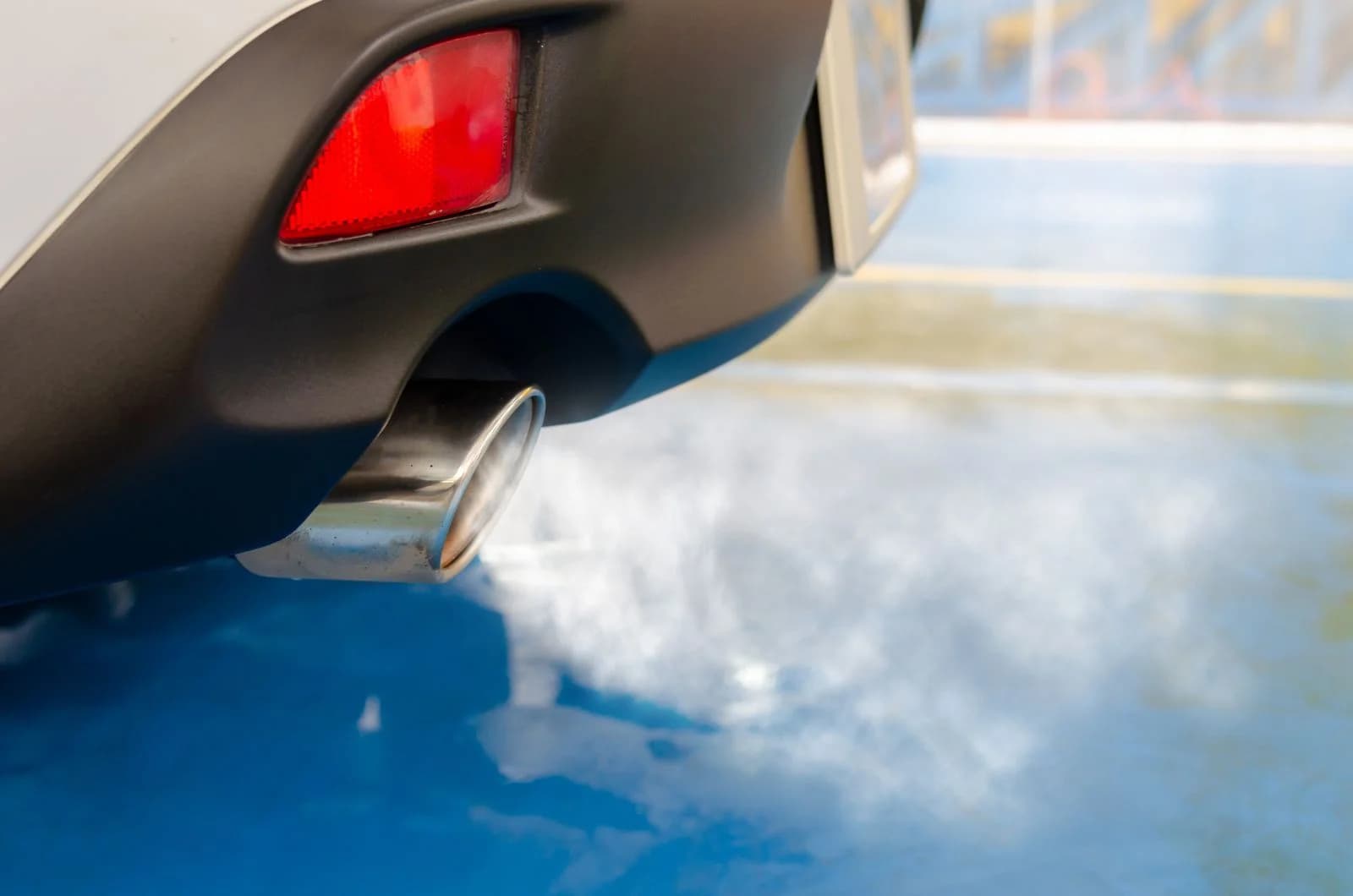
The European Union's Euro 7 vehicle emission standard began applying on 29 November 2026 to new types of cars and vans seeking approval in the bloc, bringing brake-dust limits and battery-durability rules into EU emission law for the first time alongside tailpipe controls.
The rules come from Regulation (EU) 2024/1257, which entered into force on 28 May 2024. According to the European Parliament's legislative summary of the final act, the regulation applies from 29 November 2026 for new types of cars and vans and from 29 November 2027 for all new vehicles in those categories.
Does Euro 7 affect cars already on the road?
No, the first phase covers only new vehicle types put forward for approval from 29 November 2026, not cars already registered. Every newly registered car and van must meet the standard from 29 November 2027, according to the Parliament summary.
What changes under Euro 7?
Euro 7 keeps the existing Euro 6 exhaust limits for cars and vans but adds a limit on solid particles from a diameter of 10 nanometres, the Parliament summary says. It also regulates particle emissions from brakes, with specific limits for electric vehicles, and sets minimum standards for how long traction batteries must last. Durability requirements are tightened in both mileage and vehicle age.
Euronews reported on 29 November that the standard had taken effect that day, and trade publication The Brake Report, citing the regulation, said brake particle limits start at 3 mg/km for battery-electric passenger cars and 7 mg/km for combustion, hybrid and fuel-cell cars. It said batteries in electric and plug-in hybrid cars must keep at least 80% of original capacity after five years or 100,000 km, and at least 72% after eight years or 160,000 km.
Manufacturers must also fit on-board systems that monitor exhaust emissions, detect faults that cause excess pollution, warn drivers, and track real-world fuel and electricity use. Each vehicle is to get an Environmental Vehicle Passport giving users environmental data, including the state of health of the traction battery.
Why it matters
Because Euro 7 brings cars, vans, buses and lorries under one legal act and covers non-exhaust sources such as brakes and tyres, it extends emission rules to electric vehicles, which have no tailpipe but still shed brake and tyre particles. The regulation also calls for effective and dissuasive penalties against tampering with pollution-control systems.
What happens next?
The rollout is phased. According to the Parliament summary, the rules apply to new types of buses, lorries and trailers from 29 May 2028 and to all such new vehicles from 29 May 2029. Tyre abrasion limits follow from 1 July 2028 for new types of C1 (car) tyres, 1 April 2030 for C2 tyres and 1 April 2032 for C3 tyres. Small-volume manufacturers have until 1 July 2030 for cars and light vans and 1 July 2031 for heavier vehicles.
For buyers, the next important date is 29 November 2027, when every new car and van registered in the EU must meet Euro 7.