Norse Atlantic Airways AS, the Norwegian operating company of the low-cost long-haul airline Norse Atlantic, announced on 27 November 2026 that it was filing for bankruptcy in Norway. Every Norse flight has been cancelled and ticket sales have stopped, including the UK unit's services from London Gatwick. For travellers holding Norse tickets, the main question now is how to get their money back, and the answer depends largely on how they paid.
What is Norse Atlantic, and what exactly has collapsed?
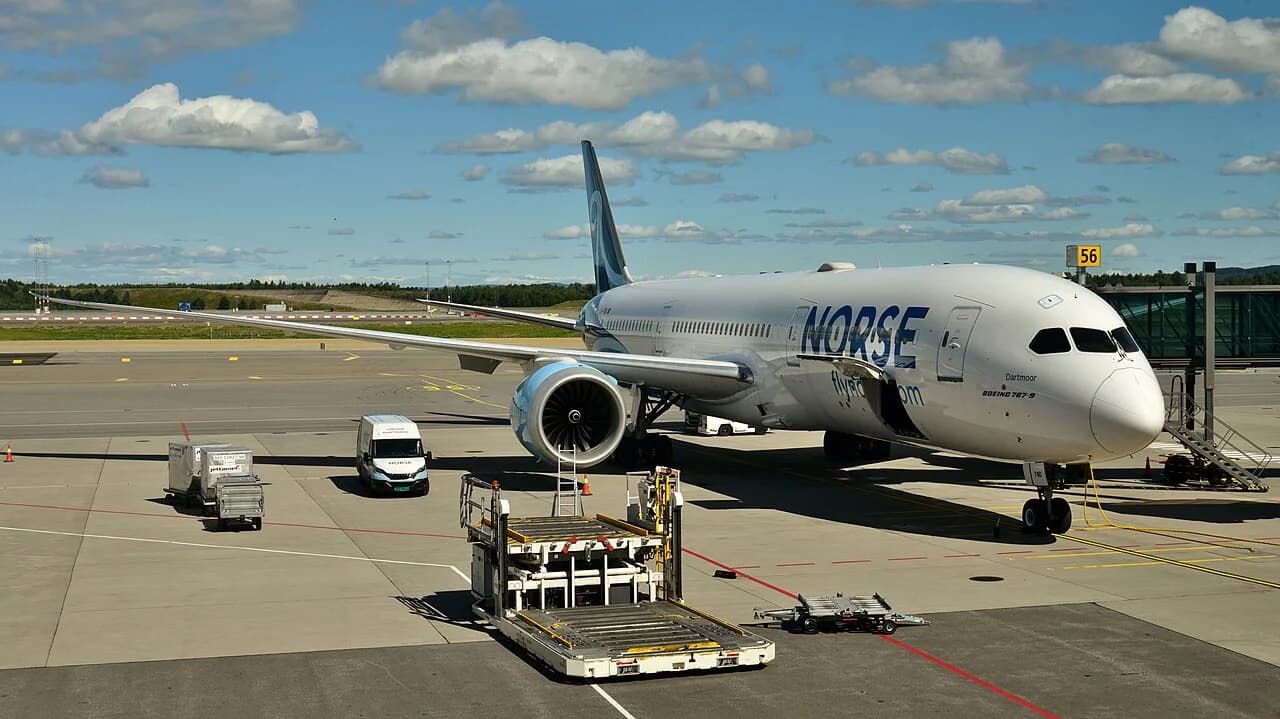
Norse Atlantic is a Norwegian low-cost long-haul airline group, and the company now going into bankruptcy is its Norwegian operating arm, Norse Atlantic Airways AS. According to Norwegian business daily E24, the airline began flying in June 2022 with an Oslo–New York service, using Boeing 787 Dreamliners leased cheaply during the pandemic. It later flew from Europe to the United States, Thailand and South Africa.
E24 reported that the bankruptcy covers only the Norwegian operating company, which it said employed 304 people according to Proff.no. The parent company, Norse Atlantic ASA, which is listed on the Oslo stock exchange, and the British subsidiary, Norse Atlantic UK Ltd, are not part of the filing. Even so, the UK Civil Aviation Authority said on 27 November that Norse Atlantic UK, which ran scheduled flights from Gatwick to Bangkok, Cape Town, Orlando and Phuket, had cancelled all its flights.
Why is it in the news?
It is in the news because the airline's aircraft lessors pulled its fleet, leaving the board unable to continue. E24 reported that Norse issued a crisis notice on Wednesday, 25 November, saying it urgently needed new money, and that staff were not paid on salary day that week. On Friday, 27 November, the lessors ended the leases on all 12 of its long-haul aircraft and asked for them back. The board then concluded there was no longer a basis for continued operations.
E24 reported that the company had raised about NOK 3.7 billion through nine share issues since 2021, plus loans, and had blamed higher fuel costs after the war in the Middle East for this year's troubles. Chief executive Eivind Roald said Norse deeply regretted the consequences for passengers, employees and partners, and that the group was looking for a way to keep the rest of the business going. MapMyTimes reported the collapse in its news report on the bankruptcy filing.
How does it affect you?
If you hold a Norse ticket, you should not go to the airport, because there is no flight to catch, and you will probably have to book onward travel yourself. The UK regulator's spokesperson Andrew McConnell urged passengers not to travel to the airport and to check the Norse or CAA websites for updates.
The normal rules on rebooking and care largely stop working when an airline goes bust. Thomas Iversen of the Norwegian Consumer Council told E24 that passenger rights effectively lapse because the airline can no longer rebook or complete the journey, so travellers must find alternative transport on their own. He said passengers are generally entitled to a refund, and to extra costs if a replacement ticket costs more, but warned that recovering money from a bankrupt company may be difficult.
That is why the payment method matters. The UK CAA's advice for its passengers is:
- Credit card: if you booked directly with Norse, you may be protected under Section 75 of the UK Consumer Credit Act 1974; contact your card issuer.
- Debit or charge card: ask your card issuer about a chargeback claim.
- Travel insurance: if your policy includes scheduled airline failure cover, contact your insurer.
- Travel agent or third-party booking: contact the company that sold you the ticket first.
Thailand's Civil Aviation Authority (CAAT), whose airports at Bangkok Suvarnabhumi and Phuket were served by Norse, gave similar advice, according to The Nation. It told passengers to keep confirmations, e-tickets, payment proof, cancellation notices and receipts for replacement flights, and to act quickly because claim deadlines apply. It warned that bankruptcy may make it difficult to obtain a refund, assistance or compensation directly from the airline. Foreign nationals stranded in Thailand were told to contact their embassy or consulate.
For Indian travellers, the practical lesson is the same. Anyone who booked a Norse connection through an Indian agent or online travel portal should contact that seller first and their bank second, and keep all documents. The CAAT also noted that its own passenger rules cover flights departing Thailand, and that travellers whose flights were due to leave another country should approach that country's aviation regulator or consumer authority.
What happens next?
What happens next depends on whether the parent group can rescue any part of the business, and on the Norwegian insolvency process. E24 reported that management is still trying to find a solution for the remaining companies, while the CAA said the parent, Norse Atlantic ASA, was seeking a way for the UK subsidiary to keep operating. As of 28 November, no such plan had been announced, and all flights remained cancelled.
Passengers who cannot recover money through a card issuer, agent or insurer will be left with a claim against the bankrupt company, where any payout is uncertain. Travellers should watch the Norse and CAA websites for official updates.
Photo source · Bahnfrend, CC BY-SA 4.0