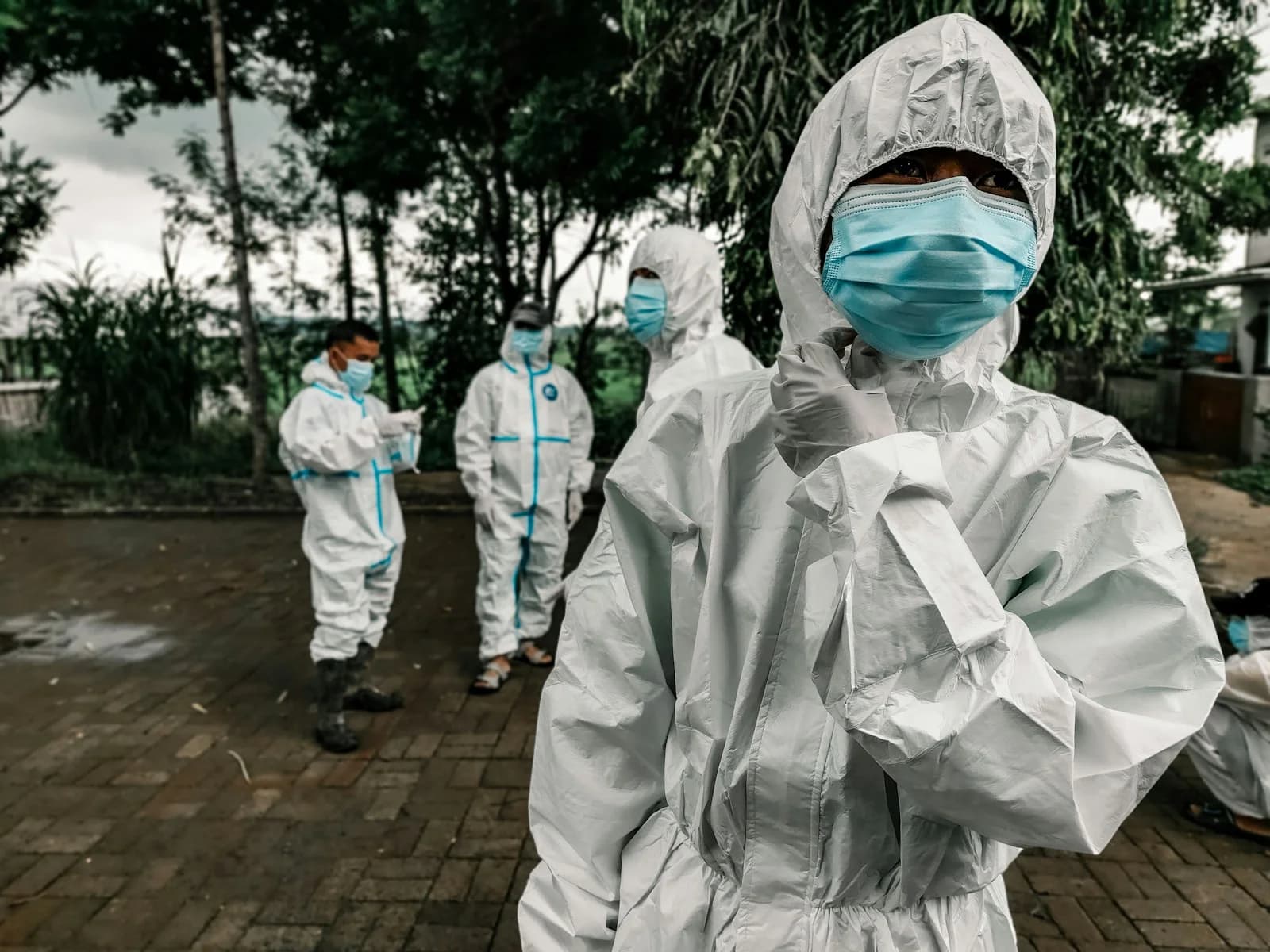
The Ebola outbreak in the Democratic Republic of the Congo (DRC) had reached 11,712 confirmed cases and 5,720 confirmed deaths across five countries as of 18 November 2026, according to the United States Centers for Disease Control and Prevention (CDC), making it the second-largest Ebola outbreak on record. It is caused by Bundibugyo virus, a type of Ebola for which there is no approved vaccine or treatment. Here is what readers in India need to know.
What is Bundibugyo Ebola?
Bundibugyo virus is one of three Ebola-type viruses known to cause large outbreaks in people, alongside Ebola virus and Sudan virus, according to the World Health Organization (WHO) fact sheet on Ebola disease. WHO says fruit bats are thought to be the natural hosts, and that people catch the disease through direct contact with the blood or body fluids of a sick or dead person, or with contaminated surfaces and objects. Importantly, people cannot pass the infection on before they develop symptoms.
Symptoms appear between 2 and 21 days after infection and often begin suddenly with fever, fatigue, muscle pain, headache and sore throat, later followed by vomiting, diarrhoea and rash. WHO puts the average death rate at about 50%, ranging from 25% to 90% in past outbreaks. The approved vaccines and antibody treatments work only against the Ebola virus species; WHO says there is no approved vaccine or treatment for Bundibugyo virus disease, though candidates are in development.
Why is it in the news?
It is in the news because the outbreak is still growing six months after it began. The European Centre for Disease Prevention and Control (ECDC) says the outbreak has been running in the DRC since May 2026 and has hit eight provinces, including Ituri, Nord-Kivu and Tshopo, with community transmission still ongoing. The CDC's update of 20 November says the outbreak "is spreading substantially faster than previous Ebola outbreaks".
Cases linked to it have been confirmed outside the DRC. CDC figures list 20 confirmed cases in Uganda, nine in Kenya, one in Nigeria and one in France. ECDC says Uganda's outbreak has ended, Kenya's patients were all linked to one imported case, and the Nigeria patient, who had travelled from Uganda, was medically evacuated to Switzerland.
At a member-state briefing on 11 November, WHO Director-General Tedros Adhanom Ghebreyesus said the outbreak remains a public health emergency of international concern. He said nearly 3,000 people had recovered, but that more than 1,000 contacts had been lost to follow-up and new hotspots kept emerging. He also described attacks on health workers and facilities in conflict-hit areas. Neighbouring and distant countries are tightening border measures; MapMyTimes has reported on Malawi's new advice for travellers from the DRC.
How does it affect you?
For most people in India, the direct risk is very low, but travellers to affected areas should take the outbreak seriously. Health agencies that publish risk assessments rate it low for outsiders: ECDC calls the likelihood of infection for people living in Europe "very low", and the CDC says the risk to the American public and travellers "remains low". No comparable November assessment for India was found by MapMyTimes.
India's own measures date from May. On 23 May 2026, the Union Ministry of Health and Family Welfare advised citizens to avoid non-essential travel to the DRC, Uganda and South Sudan, Scroll reported. The Directorate General of Health Services ordered stricter screening at international entry points, including Delhi airport, with in-flight announcements and self-declaration forms on these routes. Passengers with symptoms, or who have touched the body fluids of a suspected patient, must report to the airport health officer before immigration. The National Centre for Disease Control also issued a CD Alert on Ebola in May 2026. MapMyTimes could not confirm whether these advisories have since been revised.
Other countries have gone further. The CDC says anyone who has been in the DRC within the previous 21 days is not allowed to board a commercial flight to the United States, and all international passengers flying there must declare they have not been in the DRC in that period. Indians with travel, work or study plans in Central or East Africa should check the latest rules of their destination and transit countries before flying.
What happens next?
The next phase depends on vaccines, contact tracing and security on the ground. Dr Tedros said a trial of the Ervebo vaccine began in October, and that WHO expert groups have recommended adding two candidate vaccines developed specifically for Bundibugyo virus. He said the DRC government has updated its national response plan to run until January 2027, while WHO and the Africa Centres for Disease Control and Prevention revise the continental plan.
Kenya has discharged its last patient and started a 42-day countdown to being declared Ebola-free, he said. WHO has also urged countries with blanket travel bans to lift them. The CDC cautions that case counts are expected to change as suspected cases are investigated, so the figures above are likely to rise.