Malawi has ordered all travellers arriving from or passing through the Democratic Republic of the Congo (DRC) to self-isolate for 21 days under daily monitoring by health workers, as part of a new travel advisory aimed at keeping the Ebola outbreak out of the southern African country. The advisory, issued by Malawi's Ministry of Health and Sanitation in a communication signed by Secretary for Health and Sanitation Dan Namarika, was reported from the capital Lilongwe by the Xinhua news agency on 22 November 2026.
The stated aim is to "prevent the importation of Ebola virus disease" from the DRC. Malawi has not reported any Ebola case since the current outbreak began in the DRC in May 2026, according to the report.
What do travellers to Malawi now have to do?
Everyone entering Malawi must fill in an online Traveller Health Declaration Form on the ministry's portal, before arrival or on entry, and give accurate contact details so that health officials can follow up. The other measures are:
- Travellers arriving from or transiting through the DRC must undergo mandatory 21-day self-isolation, with daily monitoring by health professionals.
- Those arriving from or transiting through Uganda, Kenya or Nigeria will be placed under daily monitoring by health professionals for 21 days.
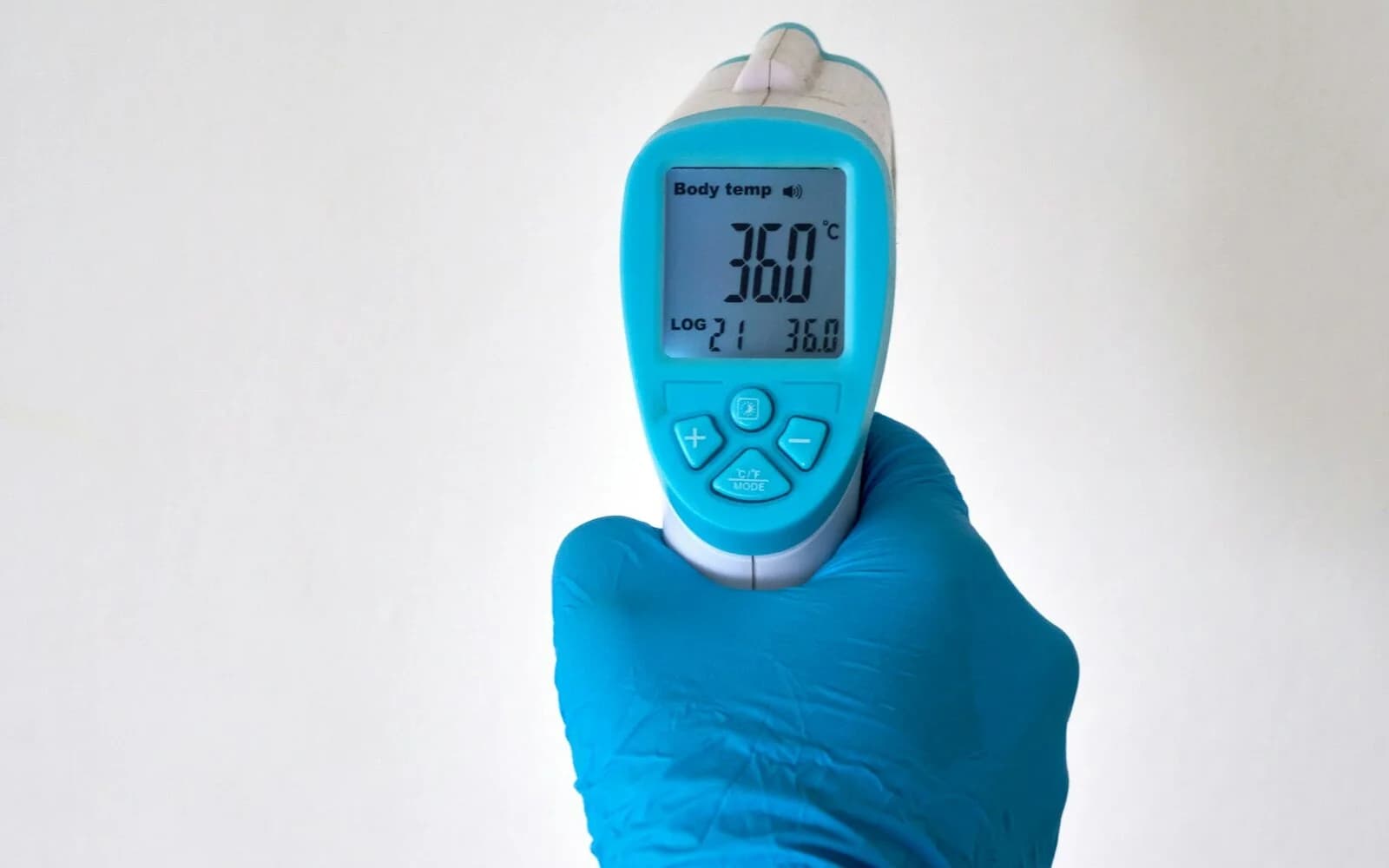
- All incoming travellers will be screened, including temperature checks, at every point of entry: airports, land border crossings and inland ports.
- Travellers, transport operators and border staff are urged to follow infection prevention and control rules and the instructions of port health officers.
How big is the Ebola outbreak?
It is the second-largest Ebola outbreak on record, according to the US Centers for Disease Control and Prevention (CDC). Its situation summary, updated on 20 November with figures as of 18 November, lists 11,712 cases and 5,720 deaths in total. Almost all are in the DRC, which has 11,680 confirmed cases and 5,715 deaths. Uganda has 20 confirmed cases and two deaths, plus one probable case and death, Kenya nine cases and two deaths, and Nigeria and France one case each with no deaths.
The Xinhua report, citing the Africa Centres for Disease Control and Prevention, gave slightly lower DRC figures of 11,613 confirmed cases and 5,678 deaths; the difference reflects different sources and reporting dates.
The outbreak is caused by Bundibugyo virus, a type of Ebola virus, and the CDC says it is spreading substantially faster than previous Ebola outbreaks.
How does Ebola spread?
The virus can pass to people from infected wild animals, and then spreads between humans through contact with the bodily fluids of infected people and with contaminated materials, the report said, citing the World Health Organization.
Other countries are tightening checks too
Malawi's move follows similar steps elsewhere. In the United States, travellers who have been in the DRC in the previous 21 days cannot board commercial flights to US destinations, and since 3 November 2026 passengers on all international flights to the US must sign an attestation that they were not in the DRC during that period, the CDC says. Travellers who were in Uganda or South Sudan, but not the DRC, must enter through designated airports for enhanced screening.
The CDC says no Ebola case linked to this outbreak has been confirmed in the US and that the overall risk to the American public and travellers remains low.
What should travellers keep in mind?
Anyone planning a trip to Malawi, or through East and Central Africa, should expect health declarations, temperature screening and possible monitoring at borders, and should check the latest rules with airlines and official health authorities before travelling, since measures are being updated as the outbreak evolves.