Anyone applying for an Australian tourist or business visitor visa from Friday, 28 November 2026, will no longer be able to switch to another visa from inside the country in most cases. A new rule, known as the "No Further Stay" condition, becomes mandatory on all of Australia's main visitor visas from that date, under regulations registered by the Australian government on 13 November 2026. Here is what is changing, what is clear and what is still uncertain.
MapMyTimes reported the rule change in its news story, Australia makes the No Further Stay condition mandatory on all visitor visas from 28 November. This explainer answers the main questions travellers are asking.
What is the "No Further Stay" condition?
It is a visa condition, numbered 8503 in Australia's Migration Regulations 1994, that generally stops the holder from making a valid application for another substantive visa while they are in Australia. In practice, a visitor who wants to stay on as a student, a worker or a partner will usually have to leave Australia and apply from overseas. Immigration advisers Vialto Partners note that the condition does not bar the holder from applying for a protection visa.
The condition does not shorten a visitor's permitted stay and does not stop anyone from visiting. It only closes the option of lodging a fresh visa application onshore.
Which visas does it cover from 28 November?
The Migration Amendment (Preventing Further Stay for Visitor Visas) Regulations 2026, published on the Federal Register of Legislation as F2026L01503, make condition 8503 mandatory on:
- Visitor visa (subclass 600), including the Tourist and Business Visitor streams;
- Electronic Travel Authority (subclass 601);
- eVisitor (subclass 651).
Until now, the condition was already compulsory for some subclass 600 streams, such as Sponsored Family, Approved Destination Status and Frequent Traveller, and could be added at the department's discretion in other cases. It could not be imposed on ETA or eVisitor holders at all, according to Vialto Partners' analysis. The new instrument removes that discretion.
Why is it in the news now?
It is in the news because the rule takes effect this week, on 28 November 2026. The regulations, dated 12 November, state that the amendments apply to visa applications made on or after the day they commence. Visitor visas already granted, and applications lodged before 28 November, fall outside the new rule.
The measure was first announced by Australia's Home Affairs Minister, Tony Burke, in a speech at the National Press Club on 17 September 2026. The government said it wanted to stop "visa hopping", where people already in Australia move from one temporary visa to another, often staying on a bridging visa while a new application is processed. In the same speech, Mr Burke announced 100 extra Australian Border Force compliance officers and 250 new detention beds to deal with about 77,000 people living in Australia without a valid visa, Al Jazeera reported.
How does it affect you?
If you are planning a holiday, a family visit or a business trip to Australia and simply intend to return home, very little changes: you apply for the visitor visa as before. The difference matters if you were hoping to keep options open. Indian travellers covered by the rule include parents visiting children who study or work in Australia, and job seekers who might have hoped to land a role and apply for a work visa without leaving the country. Anyone in that position who applies on or after 28 November should plan to lodge any further visa application from outside Australia.
Advisers also suggest that families and employers check travel plans now. Vialto Partners has told employers not to assume that a visitor can apply for an employer-sponsored or other substantive visa while in Australia, and to work out the visa strategy before travel. Official details of the visitor visa are on the Department of Home Affairs website.
Can the condition be waived?
Yes, but only in limited circumstances. Waivers are generally available where there has been a major change in the holder's circumstances, beyond their control, after the visa was granted. Examples cited by advisers include a natural disaster in the visitor's home country, war or civil unrest that prevents them from returning, a serious medical condition or a family emergency. Applications for a waiver go to the Department of Home Affairs, which decides each case on its own facts.
What is established and what is still uncertain?
Established: the regulation's name, its registration on 13 November 2026, its commencement on 28 November 2026, the three visa subclasses covered, and the fact that it applies only to applications made on or after that date.
Uncertain: how strictly Home Affairs will assess waiver requests under the wider rule, how many visitors it will affect, and how it will interact with the other changes Mr Burke flagged in September, including tighter rules for international students seeking new study visas. Visa rules are being reworked in several places; last week, for instance, the United Kingdom and European Union agreed a youth mobility scheme at their Brussels summit.
What happens next?
The rule starts applying to new visitor visa applications on 28 November 2026. Travellers with trips planned in the coming months who already hold a visitor visa granted on an earlier application are not affected. Those still to apply should read the conditions on their grant notice carefully, and anyone who expects their plans to change should seek advice from a registered migration agent before travelling.
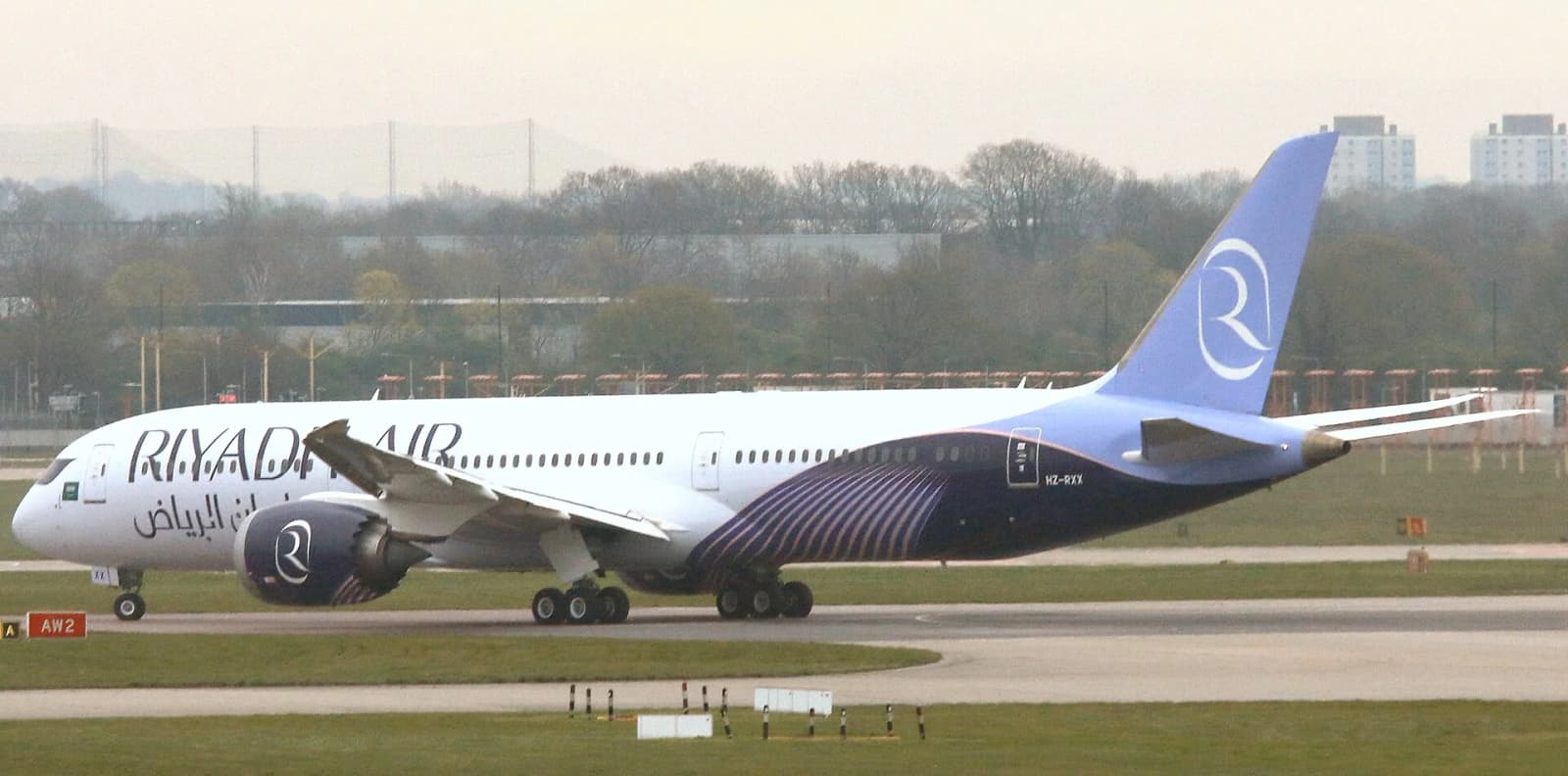
Photo source · MDRX, CC BY-SA 4.0