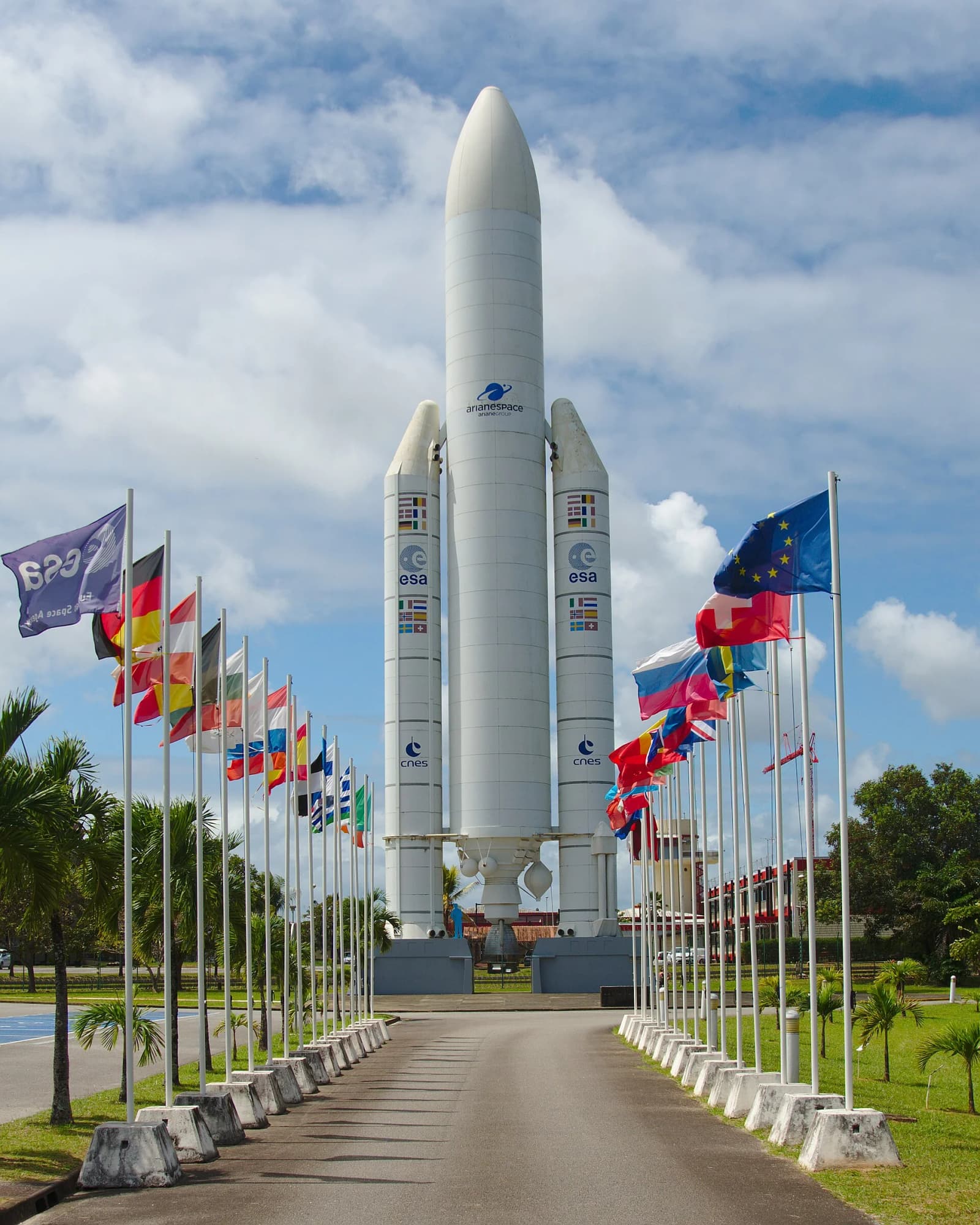
European leaders will gather in Rome on December 15, 2026 for the European Space Agency's (ESA) Intermediate Ministerial Meeting (IMM26) to decide whether to authorize Europe's first independent human spaceflight programme, a long-term initiative estimated to cost €10 billion (£8.4 billion). If approved across ESA's 23 member states, the project would build a European crew shuttle and launch-and-landing infrastructure—likely anchored at the Guiana Space Centre in French Guiana, where Arianespace has launched European satellites for roughly 45 years.
Why Europe Seeks Strategic Autonomy in Orbit
ESA Director General Josef Aschbacher called a positive vote a "historic moment" that would make Europe capable of sending its own astronauts to low Earth orbit alongside the United States, Russia and China. Europe currently has 11 astronauts—four scheduled to fly to the International Space Station next year aboard US vehicles—and has not pursued a home-grown crewed shuttle since the Hermes programme was shelved in 1992 amid rising costs.
Aschbacher warned that growing space commercialisation—highlighted by SpaceX winning FCC approval for its orbital data-centre constellation and recent Starlink/Starshield access curbs affecting Ukraine—alongside geopolitical uncertainty in Washington and pauses in NASA's Lunar Gateway and Mars Sample Return projects leave Europe exposed. He also pointed to security alarms over Russia's reported orbital nuclear plans and October manoeuvres by Russia's Kosmos 2612 satellite near a commercial Earth-observation craft.
Timeline to 2028, Moon and Mars Roadmap
Following ESA's mandate revision last November enabling non-aggressive defence missions under a €22.1–€22.3 billion budget and the Paris International Space Summit's September 2026 call, ESA plans to start preparatory work immediately after December using €280 million freed by US project pauses before seeking full funding at its 2028 Ministerial Council. Parallel efforts include accelerating the IRIS² satellite network to 2029, advancing Artemis lunar contributions, and preparing the Rosalind Franklin Mars rover.