The European Union on Saturday, 14 November 2026, called on Israel to reopen all crossing points into Gaza and allow humanitarian aid to enter immediately and without obstruction, warning that floods and the onset of winter are deepening an already severe crisis in the territory.
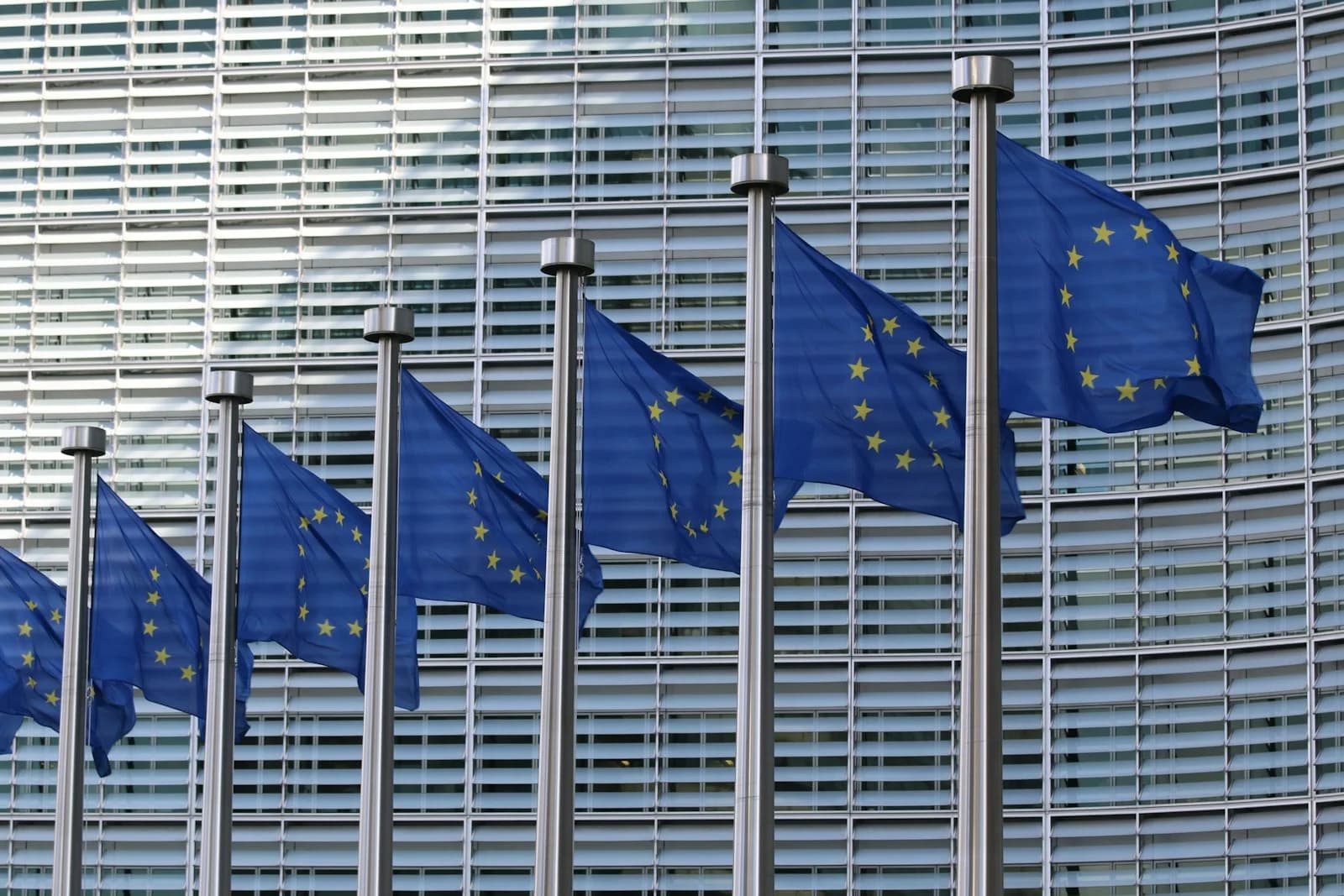
The statement was issued by the EU High Representative for Foreign Affairs and Security Policy, Kaja Kallas, on behalf of the 27-member bloc and published by the European External Action Service.
What the EU said
The EU expressed “grave concern” over what it described as a persistent and devastating humanitarian situation in Gaza. It said flooding and winter weather were making life harder for a population that is already exhausted.
The bloc's main demands were:
- Israel should allow immediate, unimpeded humanitarian access at scale and reopen all border crossings into Gaza.
- Israel should enable the work of the United Nations and its agencies, as well as non-governmental and other humanitarian organisations.
- International humanitarian law must be respected at all times, including the protection of civilians, civilian infrastructure and medical staff and facilities.
- Aid must not be diverted by armed groups.
The EU described the recent airstrike on Nasser Hospital in southern Gaza as “deeply alarming”. UN News reported earlier this week that the strike killed six people and injured 27, and caused heavy damage to the facility.
A year after the ceasefire
The statement noted that, roughly a year after a ceasefire was announced, military strikes are still taking place and Gaza continues to face shortages of shelter, medicine and medical equipment, which the EU linked to restrictions on access.
It called for full implementation of the humanitarian provisions of the Comprehensive Plan to End the Gaza Conflict and of UN Security Council Resolution 2803. That, according to the EU, includes the decommissioning of weapons held by Hamas and other non-state armed groups, the full withdrawal of Israeli forces from Gaza and a civilian transition. The bloc said Hamas should have no role in Gaza's future governance, and it reaffirmed its support for a two-state solution.
Conditions on the ground
The appeal follows days of heavy rain in Gaza. Al Jazeera, citing UNICEF, reported that the downpours had directly affected at least 106,000 people, with thousands of tents for displaced families submerged and latrines overflowing into camps. Gaza's government media office said more than 700 km of the sewage network had been destroyed, according to the same report.
Violence has also continued. On Saturday, an Israeli drone strike in Jabaliya, on the northern edge of Gaza City, killed two Palestinians, according to the director of Shifa Hospital as quoted by Al Jazeera. The Israeli military said it had targeted two Hamas militants in the area.
The EU statement comes a day after UN agencies and their partners appealed for winter supplies to be allowed into Gaza without delay.
Why it matters
The EU's public pressure on Israel over crossings and the role of UN agencies adds weight to repeated UN warnings about access. The statement also sets out the bloc's position on the post-war framework, from disarmament to Israeli withdrawal, at a time when the ceasefire remains fragile.
What next
The statement did not set out any new EU measures. Attention will now be on whether more crossings are opened before winter conditions worsen, and on how Israel responds to calls to let UN agencies operate in Gaza. There was no immediate Israeli government response to the EU statement in the reports reviewed.