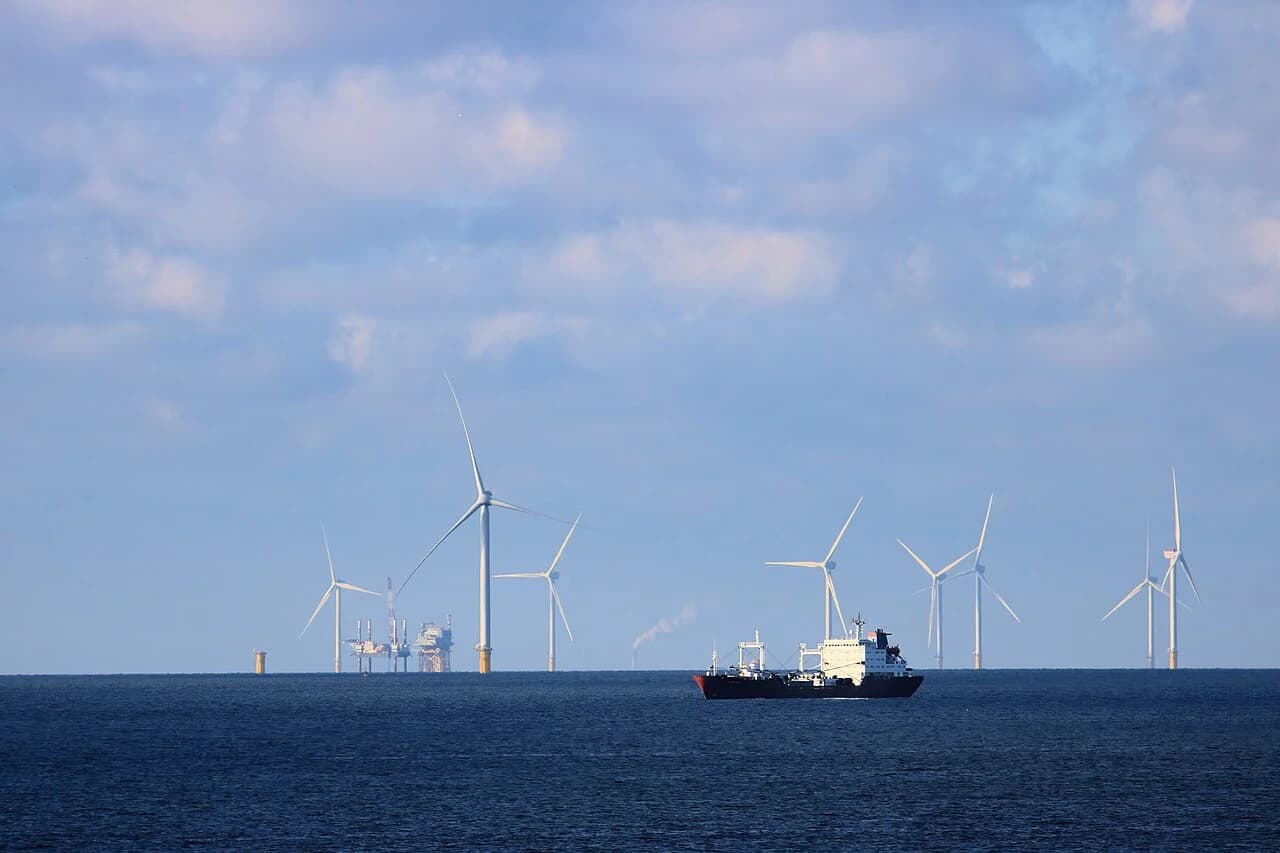
European Union naval forces have boarded an oil tanker suspected of belonging to Russia's so-called shadow fleet in the Mediterranean Sea and found that it was sailing under a false flag, the EU's foreign policy chief Kaja Kallas said on Sunday, 15 November.
The boarding of the crude tanker MV MIDAG took place on 13 November and was carried out by personnel from EUNAVFOR MED IRINI, the EU's naval operation in the Mediterranean, Kallas said in a post on X. She announced it a day before EU foreign ministers are due to approve a fresh round of Russia-related sanctions.
What the EU says happened
According to Kallas, the inspection was conducted under Article 110 of the United Nations Convention on the Law of the Sea. The provision permits ships to be inspected at sea in certain circumstances.
The boarding "confirmed the MV MIDAG was sailing under a false flag," Kallas wrote. Ship-tracking service MarineTraffic listed the tanker's flag as Zimbabwe, the Kyiv Independent reported. Kallas did not say whether the ship had been detained or allowed to continue its voyage.
"The EU will keep disrupting Russia's shadow fleet at sea and through diplomatic means," Kallas said.
New sanctions due on Monday
Kallas linked the boarding to measures expected on Monday, 16 November, when EU foreign ministers are set to approve new sanctions listings. She said these would cover banks, buyers and companies that support the shadow fleet.
The term refers to the network of ageing tankers that Moscow uses to move its oil while getting around Western sanctions. Many of these ships rely on opaque ownership and flags of convenience to disguise their links to Russia and the origin of their cargo, Euromaidan Press reported, noting safety and environmental concerns because some may lack adequate insurance or regulatory oversight. As of July 2026, the EU had placed more than 670 vessels on its shadow fleet sanctions list, according to the same report, while a Ukrainian government register had identified 1,404 vessels as of May.
A mission with a wider mandate
Operation IRINI was launched in March 2020, initially to enforce the UN arms embargo on Libya. Its role has since grown. The Council of the EU extended its mandate until 31 March 2029, two years beyond its previous end date, and gave it new tasks: helping to constrain Russia's shadow fleet, improving maritime awareness for the EU and its member states, and supporting the protection of critical maritime infrastructure, Baird Maritime reported. The renewal was announced in October. In August, IRINI and the Italian Navy also signed a technical arrangement on monitoring undersea cables and pipelines, the same outlet said.
The MIDAG is not the first tanker the operation has inspected. IRINI's flagship boarded the sanctioned tanker Toa Payoh on 2 August, according to Baird Maritime, and EU forces boarded another suspected shadow fleet tanker, the MV Sun, in August to check its flag, the Kyiv Independent reported.
Why it matters
The MIDAG case shows the EU using its widened naval mandate alongside sanctions. By checking flags at sea, the bloc is targeting one of the main tools shadow fleet operators use to hide their links to Russia: flags of convenience and opaque ownership.
For the EU, the boardings form one part of a two-track approach that Kallas described as action "at sea and through diplomatic means". The second track, the sanctions listings targeting financiers and buyers, is expected to be approved by foreign ministers on Monday.