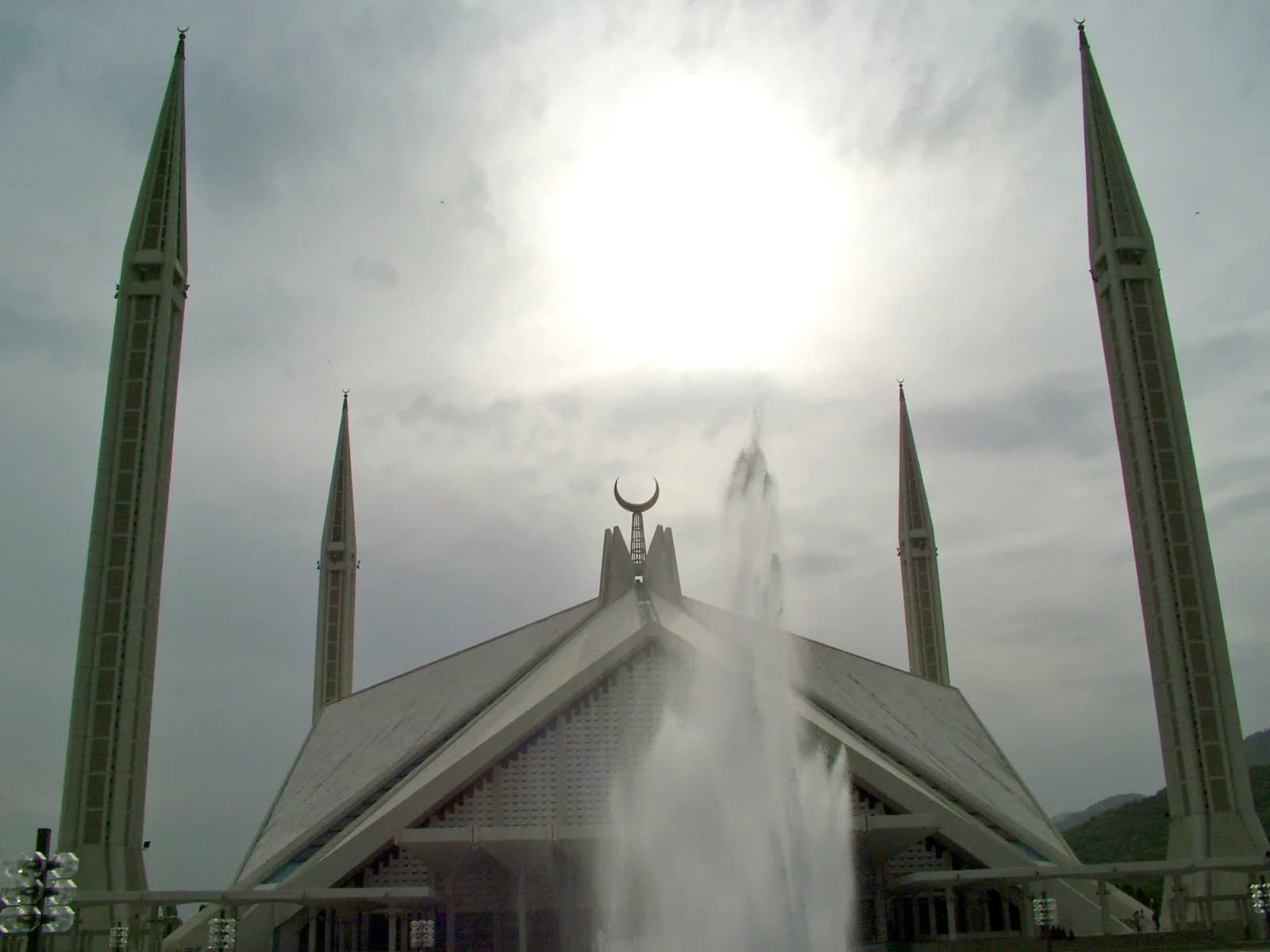
Pakistan on Sunday opened the 30th meeting of the Economic Cooperation Organization (ECO) Council of Ministers in Islamabad, a two-day gathering of the ten-member regional bloc that is being chaired by Deputy Prime Minister and Foreign Minister Ishaq Dar. The session, running on 15 and 16 November, is the first major ministerial event of Pakistan's turn at the head of the council for 2026-27.
Officials set the table before ministers meet
According to Radio Pakistan, the proceedings begin with a meeting of senior officials, followed by the ministerial segment. The Nation reported that the senior officials are tasked with reviewing the organisation's activities and programmes, assessing the work of its subsidiary bodies, and settling the agenda and draft outcome documents that foreign ministers will then take up.
Foreign ministers and heads of delegation from member states are expected, along with representatives of the ECO Secretariat and its specialised bodies. Radio Pakistan said an eight-member ECO delegation led by Deputy Secretary General Ambassador Silapberdi Nurberdiyev of Turkmenistan had arrived in Lahore ahead of the meeting.
"Reviving Regionalism" as the theme
Pakistan has framed its chairmanship around the theme "Reviving Regionalism for a Resilient ECO". The Foreign Office, as quoted by The Nation, said the meeting is meant to reinvigorate the bloc as "an effective platform for regional cooperation, dialogue, and economic collaboration".
Radio Pakistan reported that Islamabad's priorities include stronger regional connectivity, deeper integration, partnerships and sustainable development. Pakistan also wants to present itself as a connectivity hub, a facilitator of logistics and supply chains, and an agenda-setter for regional trade.
Daily Pakistan reported that talks are expected to cover trade expansion, customs coordination, gaps in transport infrastructure, limited market access, road and rail links, cross-border energy transmission and ways to attract investment.
Iran expected, Afghanistan left out
Iranian Foreign Minister Abbas Araghchi is expected to attend, according to The Nation and Daily Pakistan, though his arrival had not been publicly confirmed in reports reviewed on Sunday. Daily Pakistan noted that his presence could open space for discussions on Pakistan-Iran trade and energy cooperation.
One member will be missing. The Nation, citing diplomatic sources, reported on 11 November that Pakistan decided not to invite Afghanistan's Taliban administration, linking the move to strained relations between the two neighbours. No official Pakistani statement on the decision was quoted. Afghanistan nevertheless remains a formal member of the bloc.
Who is in the ECO
The organisation groups Pakistan, Iran, Türkiye, Afghanistan, Azerbaijan, Kazakhstan, Kyrgyzstan, Tajikistan, Turkmenistan and Uzbekistan, a footprint that stretches across South Asia, Central Asia, the Middle East and the Caucasus. The Nation reported that ECO Secretary General Ambassador Asad Majeed Khan had confirmed Pakistan's role as host.
Why it matters
For Pakistan, the meeting is a chance to pitch itself as the trade and transit route linking landlocked Central Asian republics to the Arabian Sea, an ambition The Nation said Islamabad hopes to advance during its chairmanship. For the wider bloc, the agenda on customs, corridors and energy links offers a test of whether member states can turn declarations into practical steps.
The exclusion of Kabul, however, highlights how regional security frictions continue to shape economic diplomacy in the neighbourhood.
What comes next
Ministers are expected to consider the outcome documents prepared by senior officials when the meeting concludes on Monday. Any bilateral meetings on the sidelines, including a possible Dar-Araghchi encounter, will be watched for signals on trade and energy cooperation.