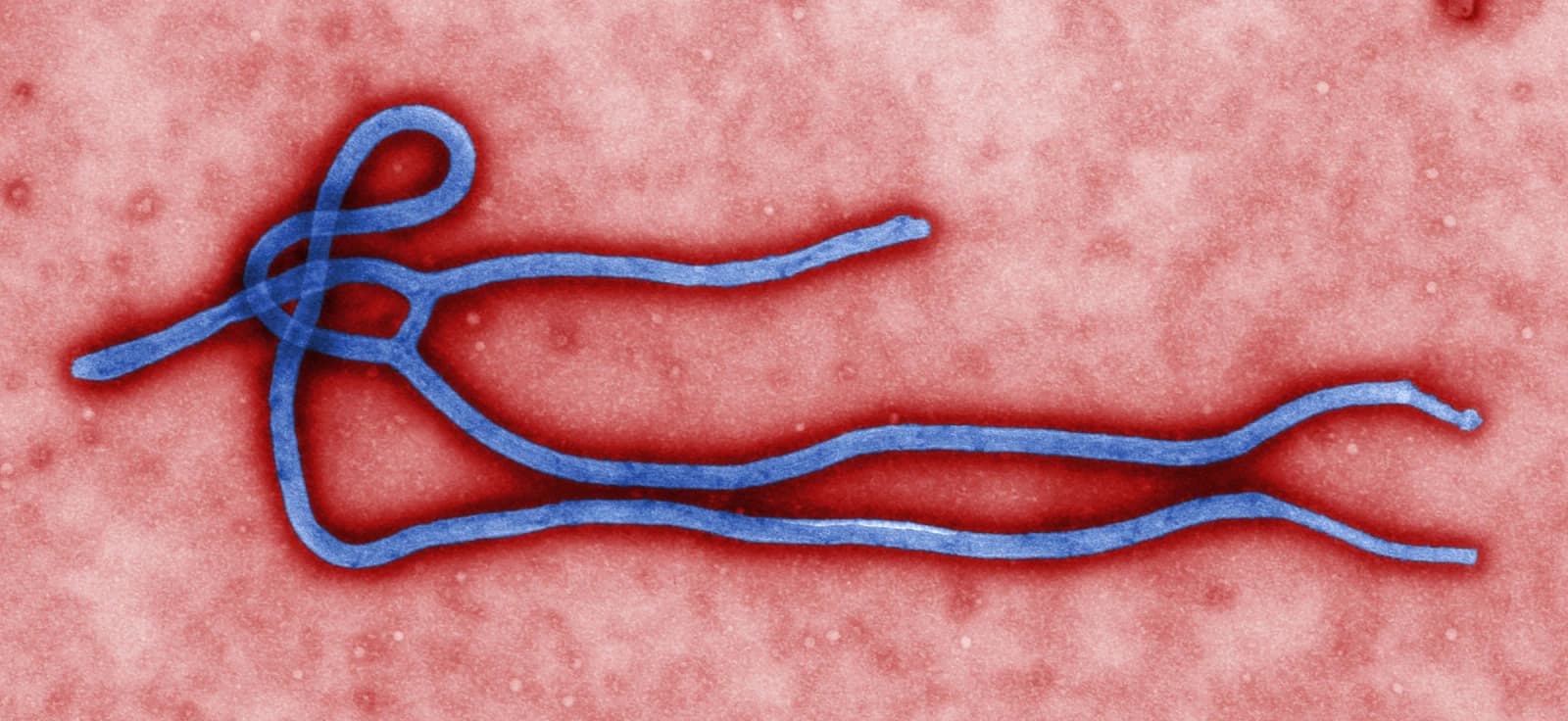
Armed groups in the eastern Democratic Republic of the Congo have killed more people than the Ebola virus itself in recent days, the United Nations' top Ebola official warned on Friday, 13 November, as attacks on villages and health workers continue to obstruct efforts to contain the country's largest-ever outbreak.
Speaking to reporters in Geneva, UN Senior Ebola Response Coordinator Julien Harneis said that in recent days fighters of the Allied Democratic Forces (ADF) had caused more deaths than the Bundibugyo strain of Ebola driving the epidemic. He said attacks on "tens of villages" in southern Ituri and North Kivu provinces were going "unnoticed", according to a UN News report of the briefing.
Largest outbreak in the country's history
The outbreak was declared in May 2026. UN News reported that it is the DRC's largest Ebola epidemic so far and is spreading faster than any earlier outbreak in the east and northeast of the country. More than 11,000 cases have been confirmed and over 5,000 people have died, the UN said.
Dr Chikwe Ihekweazu, Executive Director of the World Health Organization's Health Emergencies Programme, said roughly 400 to 500 new infections are still being detected every week, a pattern he linked to cases in rural and hard-to-reach locations. At the same time, he pointed to "a significant reduction" in transmission in former hotspots in Ituri province, namely Bunia, Mongbwalu, Rampara and Nizi, which he credited to prevention work. He said responders must keep engaging both with communities and with the armed groups behind the violence.
Health workers under fire
Earlier in the week, WHO condemned a string of attacks, including one in Cantine-Aloya in North Kivu that killed 66 civilians, three of them health workers. Three health facilities were also looted in that incident, according to the UN.
About two weeks earlier, a nurse was killed and another health worker seriously injured while responding to an Ebola alert in Tshopo province. Officials also reported an attempt to set fire to a treatment centre and stones being thrown at a vehicle used for safe and dignified burials. These incidents, they said, show why building trust with vulnerable communities remains essential.
WHO Director-General Tedros Adhanom Ghebreyesus said earlier in the week that the response cannot concentrate on Ebola alone, because some affected people regard the disease as a smaller danger than the other threats they face.
Hunger deepens the crisis
The outbreak is unfolding in a region already battered by disease, malnutrition and displacement, the product of decades of violence by dozens of armed groups operating in the resource-rich east.
The World Food Programme (WFP) warned that nearly 29 million people in the DRC face acute food insecurity, most of them in the conflict- and Ebola-hit eastern and northeastern provinces, and said it expects the number to rise. Jean-Martin Bauer, WFP's Director of Food Security and Nutrition Analysis, told journalists that conflict is driving hunger alongside Ebola and that "access" and "resources" are urgently needed.
The latest UN-backed Integrated Food Security Phase Classification (IPC) assessments project that 30.3 million people will face crisis-level or worse hunger between January and June 2027, including 4.2 million at "emergency" levels. The worst needs are in North Kivu, South Kivu and Ituri. Bauer said displacement is cutting families off from their fields and livelihoods, while rising food prices are putting meals out of reach.
Why it matters
Ebola control depends on tracing contacts, isolating patients and conducting safe burials, all of which require responders to move freely and communities to trust them. When villages are attacked and health workers are targeted, those basic steps break down, allowing the virus to keep circulating in remote areas even as former hotspots improve.
What happens next
UN and WHO officials say they will keep working with communities, and with the armed groups themselves, to secure access. With hundreds of new infections still being recorded each week and the food crisis projected to worsen into 2027, agencies are pressing for both safe access and more funding.