Patients from Scheduled Castes (SCs) and Scheduled Tribes (STs) whose annual family income is up to Rs 5 lakh can get up to Rs 3.50 lakh from the Centre for treatment of serious, life-threatening illnesses under the revised Dr. Ambedkar Medical Aid Scheme, the Ministry of Social Justice and Empowerment said in New Delhi on 28 November 2026.
The scheme is run by the Dr. Ambedkar Foundation (DAF), an autonomous body under the ministry. Explaining the revised rules, DAF Director Vinesh Pachnanda said the money is paid directly to the hospital, not to the patient, according to the ministry's press release issued through PIB Delhi.
Who can apply under the revised scheme?
SC and ST patients whose annual family income does not exceed Rs 5 lakh are eligible. The revised version of the scheme was notified on 2 June 2026, Pachnanda said. He said the aim is to make specialised care easier to reach and to ease the financial burden that treatment puts on economically vulnerable families.
The scheme covers serious conditions of the kidney, heart, liver and brain, cancer, organ transplantation, spinal surgery and other life-threatening diseases that need medical or surgical intervention.
How much money is available for each treatment?
The ceiling depends on the type of treatment. The release lists the following maximum amounts:
- Kidney surgery or dialysis: Rs 3.50 lakh
- Kidney or other organ transplantation: Rs 3.50 lakh
- Cancer surgery, chemotherapy or radiotherapy: Rs 2.50 lakh
- Brain surgery: Rs 2 lakh
- Other life-threatening diseases: Rs 2 lakh
- Heart surgery: Rs 1.50 lakh
- Spinal surgery: Rs 1.50 lakh
Within these limits, the foundation pays 100 per cent of the estimated cost of the surgery or treatment. The money can be sent in a single instalment before surgery, by RTGS, NEFT or demand draft. Patients with chronic illnesses can also seek a second renewal grant in the following financial year, subject to the rules.
What changes for PM-JAY beneficiaries?
Most people covered under the Pradhan Mantri Jan Arogya Yojana (PM-JAY) cannot claim help under this scheme. The revised rules make one exception: PM-JAY beneficiaries who have kidney disease, or who need a kidney or other organ transplant, can now also apply.
Where can patients be treated?
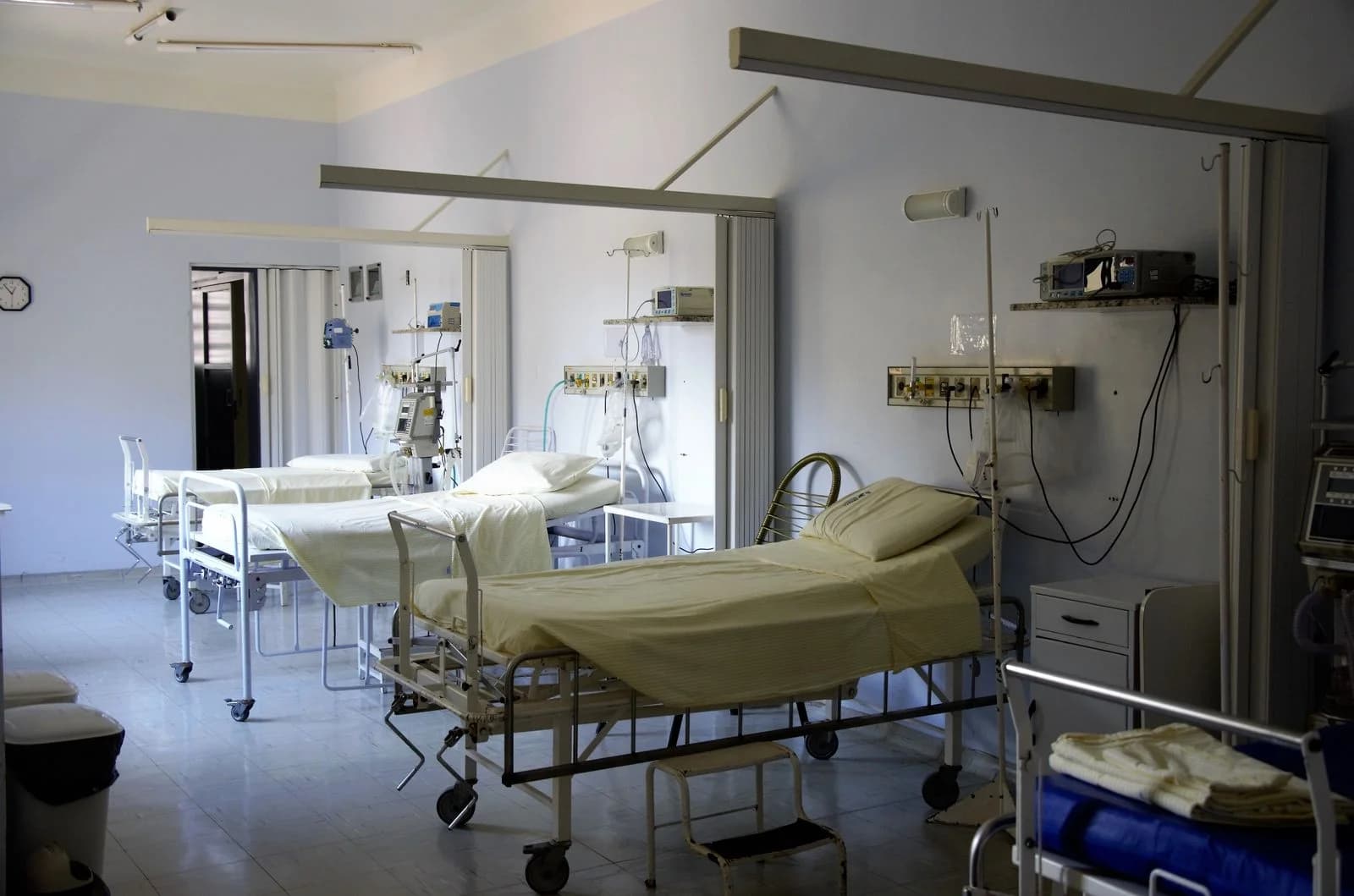
Treatment is covered at AIIMS New Delhi and AIIMS institutions in other states, all hospitals approved under the Central Government Health Scheme (CGHS), hospitals attached to state government medical colleges, state government hospitals, hospitals recognised by state governments and hospitals fully funded by the Centre or states. Government hospitals at district headquarters and major towns with the required facilities are also included.
The ministry named several other covered institutions, among them Sanjay Gandhi Post Graduate Institute in Lucknow, Patna Medical College Hospital, B. Barua Cancer Institute in Guwahati, Nizam Institute of Medical Sciences in Hyderabad and Tata Cancer Research Institute in Mumbai. The DAF chairman may allow treatment at other hospitals in exceptional cases.
How to apply
Applicants can use the form on the scheme page of the Department of Social Justice and Empowerment, or apply on plain paper with the required details. The application needs self-attested copies of the latest income certificate, caste certificate and ration card or Aadhaar card, a passport-size photograph, and the original Estimated Cost Certificate signed by the hospital's Medical Superintendent. Kidney transplant cases need extra documents on the donor, including Form 14 from the Authorisation Committee.
The complete application must reach the Director, Dr. Ambedkar Foundation, 15 Janpath, New Delhi 110001, at least 15 days before the scheduled surgery, dialysis or chemotherapy. Claims to reimburse money already spent are normally not accepted. They may be considered on merit if the application reached the foundation at least 15 days before the surgery date.
What hospitals must do
Hospitals must submit a utilisation certificate and the final bills when the patient is discharged. They must use the aid within one month of receiving it and return any unspent amount no later than one month after discharge.