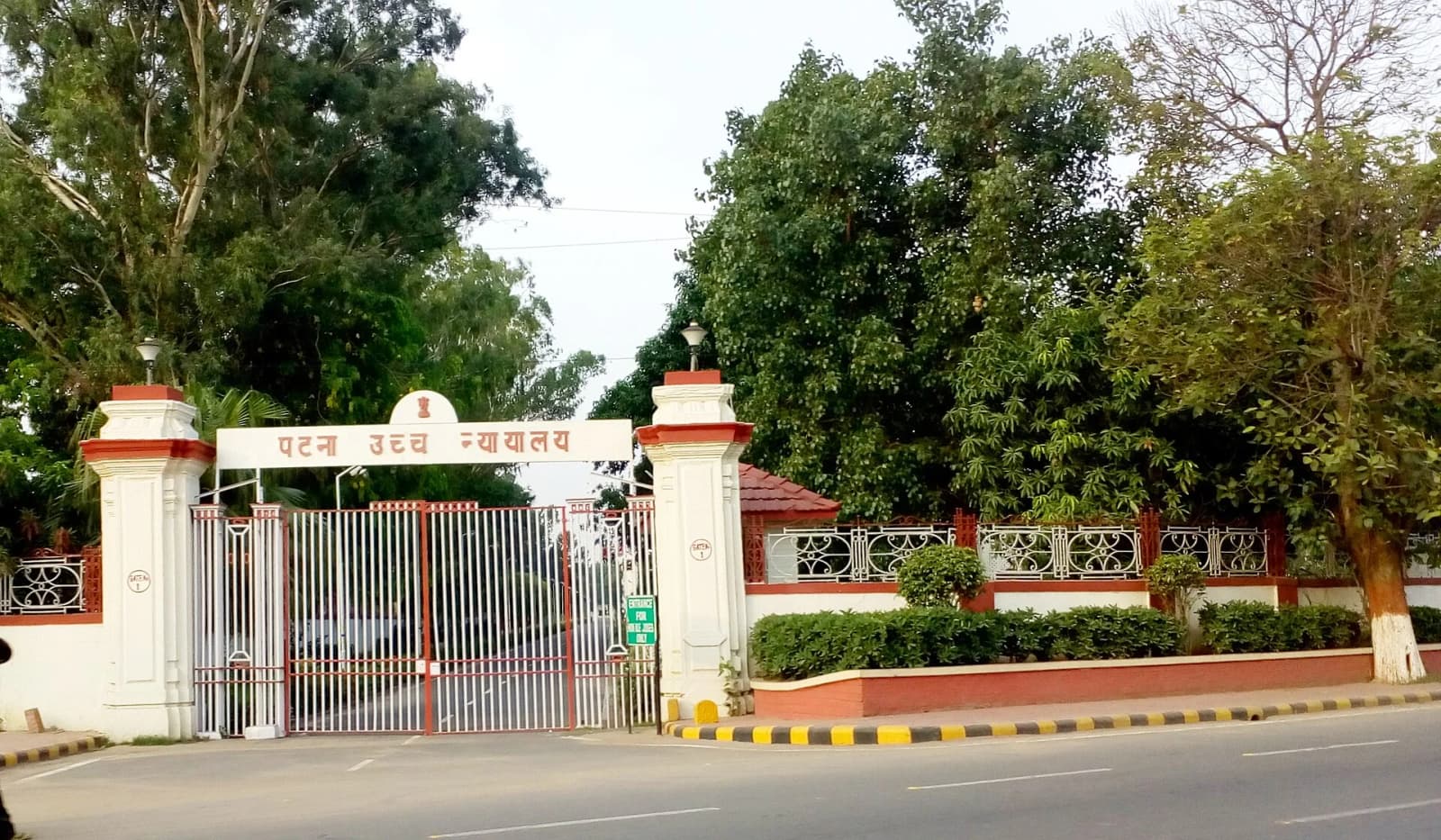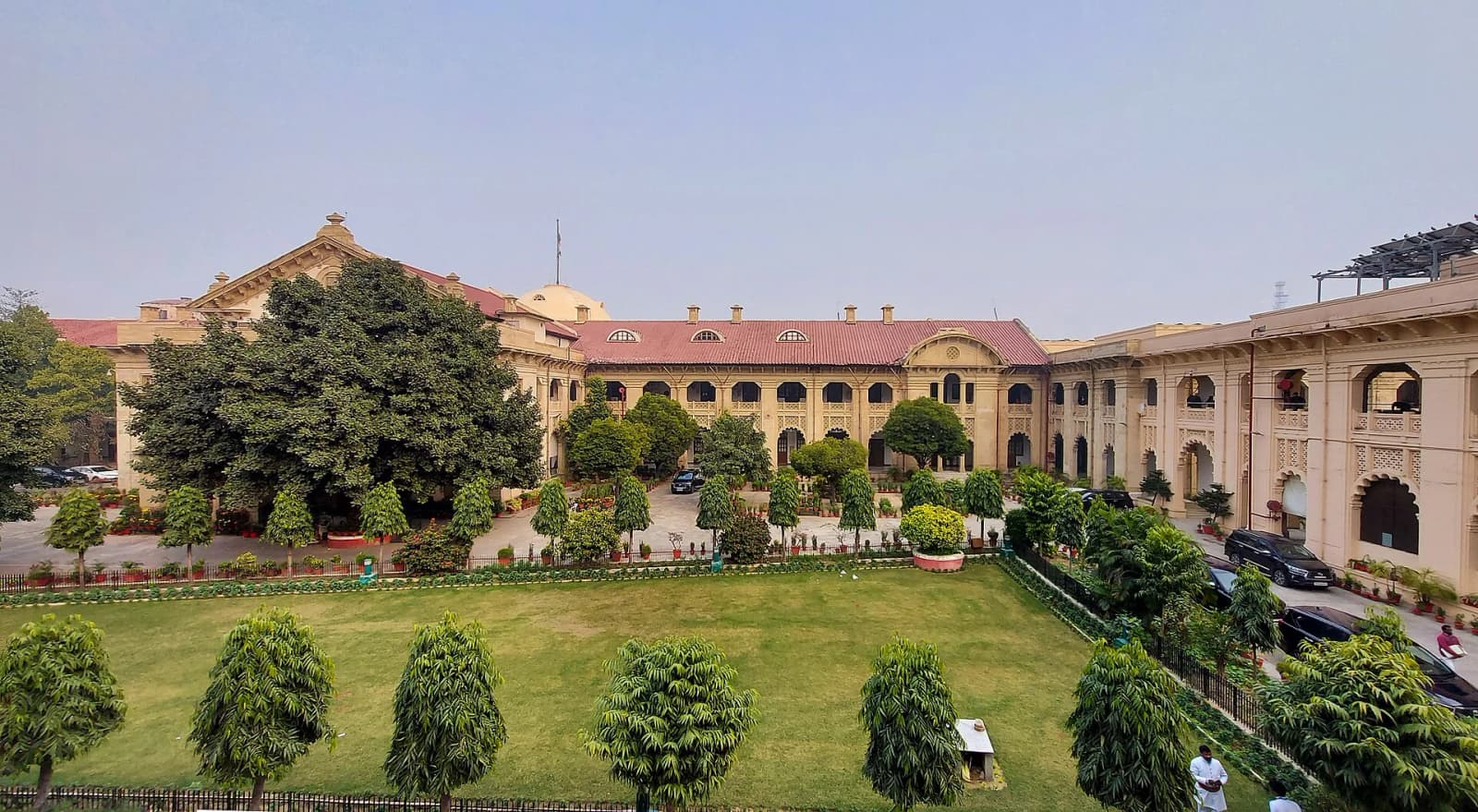
The Allahabad High Court has declared void the 2022 election of Bharatiya Janata Party (BJP) legislator Om Kumar from the 21-Nehtaur (Scheduled Caste) Assembly constituency in Uttar Pradesh, holding that his nomination should not have been accepted because his sworn affidavit left out income figures for four financial years. The judgment, signed by Justice Salil Kumar Rai on 26 November 2026 in an election petition filed by the runner-up, was reported by the legal news portal LiveLaw on 28 November 2026. The court directed its registry to inform the Election Commission of India and the Speaker of the Uttar Pradesh Vidhan Sabha.
The petition, titled Munshi Ram vs. Om Kumar and 9 Others, was filed by Munshi Ram, who contested the seat as the Rashtriya Lok Dal (RLD) candidate. According to the report, Om Kumar polled 77,935 votes against Munshi Ram's 77,677, winning by just 258 votes.
Why did the High Court set aside the election?
The court set aside the result because Om Kumar's Form 26 affidavit, which every candidate must file with the nomination, disclosed income only for 2021-22 and left the columns for 2017-18 to 2020-21 blank. The affidavit showed an income of Rs 1,45,81,059 for 2021-22, according to the report.
Justice Rai held that listing assets and sources of income could not stand in for the income figures the law requires for each of the five financial years, and that disclosing only the latest year was not substantial compliance. "Thus, the requirement to furnish income particulars for five financial years is not an empty formality," the court said, as quoted by LiveLaw.
The court relied on Sections 33A(2) and 36 of the Representation of the People Act, 1951, and Rule 4-A of the Conduct of Elections Rules, 1961. It also cited Supreme Court rulings in Kisan Shankar Kathore v. Arun Dattatray Sawant and Madiraju Venkata Ramana Raju v. Peddireddigari Ramachandra Reddy, the second of which it used to find that the improper acceptance of the winner's nomination had materially affected the result.
Which defences did the court reject?
The court rejected arguments that the affidavit and the nomination paper are separate documents, that the nomination could not be questioned because nobody objected at scrutiny, that missing details could be gathered from documents produced at trial, and that the Returning Officer's checklist had certified the papers as complete. It noted that Section 36(2) allows the Returning Officer to act on his own.
"Subsequent disclosure during trial cannot substitute for the statutory mandate of pre-election transparency," the court observed, adding that voters' rights under Article 19(1)(a) of the Constitution cannot depend on what the Returning Officer does or fails to do.
Will the runner-up get the seat?
No. The petition was only partly allowed. The court refused Munshi Ram's requests for a recount and to be declared elected, holding that voiding the winner's election does not automatically make the runner-up the winner. It also found his allegations about the counting of VVPAT slips, postal ballots and electronically transmitted postal ballots unproven.
The court also examined the affidavits of five other candidates. It found substantial defects in three, including omissions and unsigned pages, but held that their acceptance was not shown to have materially affected the result.
What happens next?
The LiveLaw report does not say whether the court stayed its order or gave time to appeal, and it does not say whether a by-election will follow. Om Kumar can challenge the ruling before the Supreme Court. No response from Om Kumar or the BJP had been reported at the time of writing.
Why does the ruling matter?
The judgment reinforces that the income and asset disclosures candidates file before an election are a strict legal requirement, not a formality, and that gaps cannot be fixed after the votes are counted. Courts have repeatedly treated these affidavits as a key way for voters to know whom they are electing.
Photo source · Subhashish Panigrahi, CC BY-SA 4.0