A survey by the Indo-Norwegian research project DIVERSIFARM-India has found that India has at least 1,000 community seed banks, and the project has so far mapped 652 of them in a digital atlas. The findings, along with a new capacity-building manual and two policy briefs, were presented at a two-day National Seminar for the Advancement of Community Seed Banks held on 17 and 18 November 2026 at the National Agricultural Science Complex (NASC) in New Delhi, according to a release issued by the Ministry of Agriculture and Farmers Welfare on 18 November.
What are community seed banks, and why do they matter?
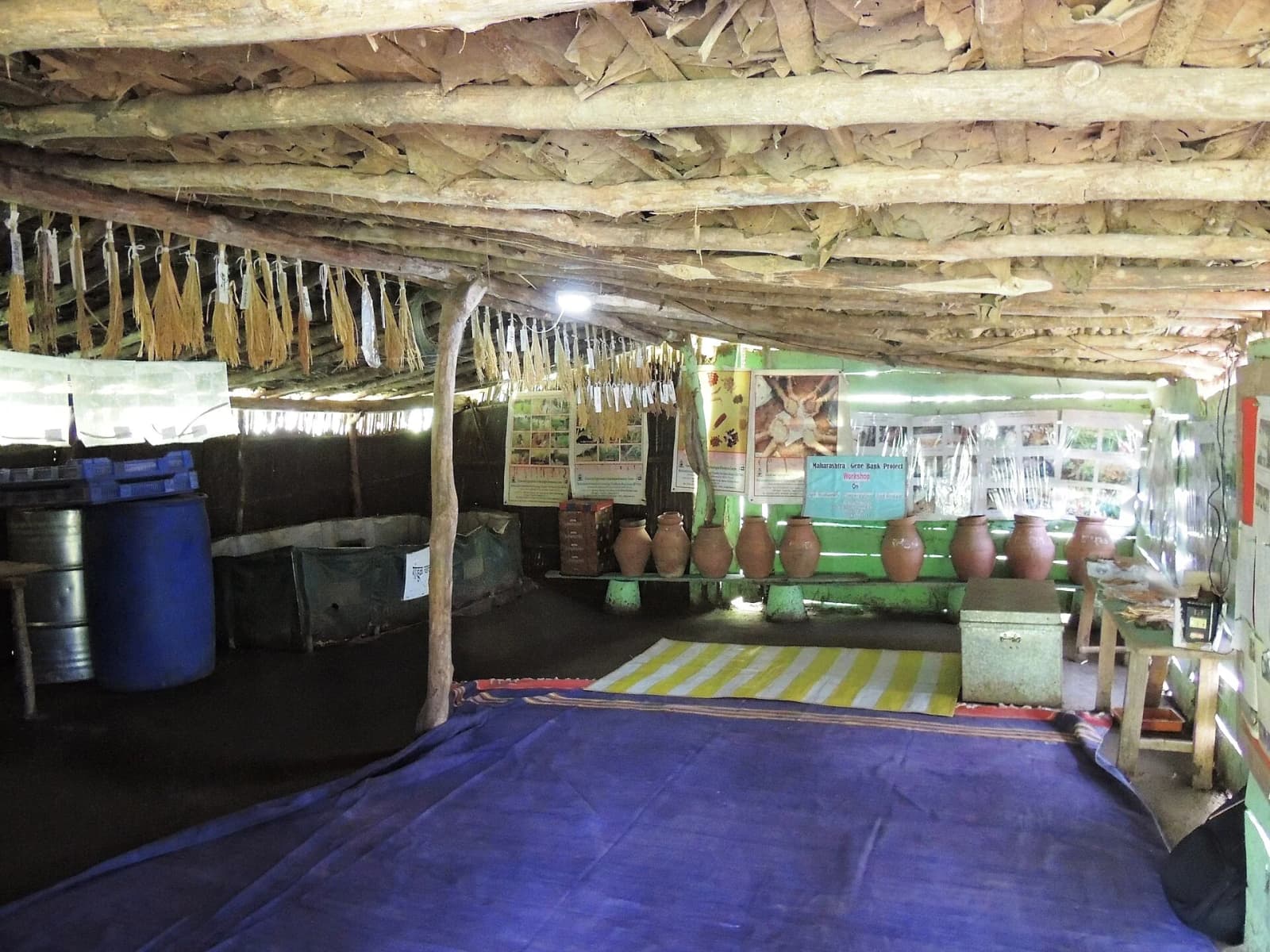
Community seed banks are local, farmer-run institutions that store and share seeds, and the project describes them as places for conserving crop diversity in farmers' own fields. Dr Rengalakshmi R, Executive Director of the M S Swaminathan Research Foundation (MSSRF), told the seminar that they are "more than just storehouses" and act as living institutions for in-situ conservation that build farmers' resilience, the ministry said.
DIVERSIFARM-India is led by Norway's Fridtjof Nansen Institute (FNI) and MSSRF. Its stated aim is to improve food, nutrition and livelihoods for small farmers by strengthening seed systems through community seed banks.
What did the project release?
According to the release, four outputs were shared at the seminar:
- A GIS-based digital atlas with profiles of the 652 seed banks mapped so far.
- A policy brief on typologies, which sorts community seed banks into six types based on how they are managed. The project says recognising these differences is necessary for targeted policy support.
- A 10-point roadmap for Odisha, the project's pilot state, which recommends setting up a secretariat under the state's Department of Agriculture and Farmers' Empowerment to support seed banks.
- A capacity-building manual, based on case studies in Odisha, intended as a practical guide to setting up, running and sustaining seed banks.
The manual was released by Dr Trilochan Mohapatra, Chairperson of the Protection of Plant Varieties and Farmers' Rights Authority (PPVFRA). He said that with government support growing, he was confident community seed banks would flourish, the ministry reported. The materials have been posted on the project's website, communityseedbanks.in.
What did speakers say about law and funding?
The project also studied India's legal and policy framework for seed banks. It identified the Protection of Plant Varieties and Farmers' Rights Act and the Biological Diversity Act as the two laws with the most demonstrated potential to strengthen them.
Dr P L Gautam, a Padma Shri recipient and former chairperson of both the PPVFRA and the National Biodiversity Authority, said discussions had pointed to the need for better coordination between the two laws so that farmers benefit more. He also called for committed funding and capacity building.
Dr Devendra Kumar Yadava, Director of the ICAR-National Bureau of Plant Genetic Resources and Deputy Director General (Crop Science) at the Indian Council of Agricultural Research, said community gene banks and national gene banks could be strengthened by working together.
What role does Norway play?
May-Elin Stener, Norway's Ambassador in New Delhi, said the embassy welcomed the mapping and support for seed banks and called the project an important part of the India–Norway partnership. Dr Regine Andersen, Research Professor at FNI, presented results of what the ministry described as a three-year collaboration between FNI and MSSRF, and said the digital platform brings seed banks from across India together and raises awareness of their work.
What happens next?
The release does not announce any new government scheme or funding. The Odisha roadmap is a recommendation, and it is not yet known whether the state government will act on the proposed secretariat. The atlas currently covers about two-thirds of the seed banks the survey estimates exist, so the remaining institutions are yet to be mapped.
Photo source · MGB CEE (photo: Abhijeet Kamble), CC BY-SA 4.0