The Patna Zonal Unit of the Directorate General of GST Intelligence (DGGI) has uncovered a syndicate that allegedly obtained more than ₹88 crore in fraudulent Goods and Services Tax (GST) refunds over the last two years through fake cigarette transactions, the Ministry of Finance said on 28 November 2026. Investigators also placed about 8.76 crore suspected counterfeit and substandard cigarettes, with a combined maximum retail price of over ₹150 crore, under prohibition at the Falta Special Economic Zone (SEZ) near Kolkata, West Bengal.
How did the alleged scheme work?
According to the Ministry of Finance release issued through the Press Information Bureau, the syndicate ran a network of shell entities that bought invoices from dealers of branded cigarettes without actually receiving the goods. That allowed them to claim large amounts of Input Tax Credit (ITC), which the DGGI says violates Section 16 of the Central Goods and Services Tax Act, 2017.
The group then allegedly procured substandard cigarettes of unknown origin and supplied them to the Falta SEZ under a Letter of Undertaking. Supplies into an SEZ are treated as deemed exports, so the syndicate filed refund claims against the input tax credit it had built up. Investigators say refunds of more than ₹88 crore were obtained this way in two years.
What was seized?
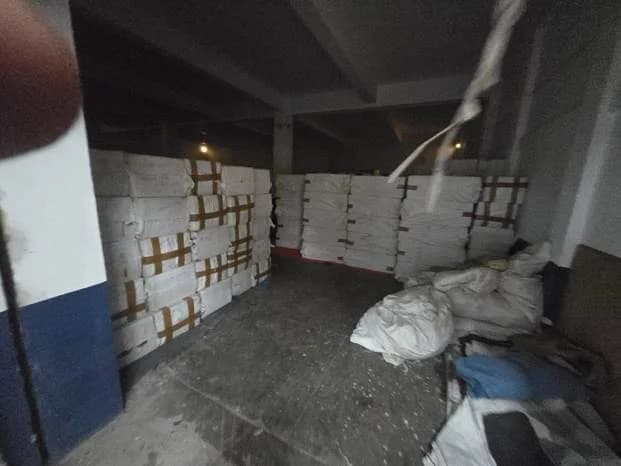
During the investigation, officials found about 8.76 crore cigarette sticks, packed in 8,410 cartons, at the Falta SEZ. The cigarettes carried the names of several well-known brands but are suspected to be counterfeit and substandard. They have been placed under prohibition.
What is confirmed and what is not yet known?
The DGGI has confirmed the ₹88 crore refund figure and the seizure. It has not named the entities or individuals involved, and the release does not mention arrests. The agency says further investigation is under way to identify everyone involved in the syndicate and to establish the full amount of tax evaded and refunds wrongly claimed.
Part of a wider crackdown on the tobacco sector
The Patna case is one of several actions the DGGI has taken against cigarette-related tax evasion this year. The agency says it has targeted syndicates involved in:
- illegal manufacture and clandestine supply of cigarettes;
- passing on ineligible input tax credit;
- diverting branded cigarettes through cash transactions;
- exporting or supplying substandard cigarettes to SEZs while declaring them as branded products.
In September and October, the DGGI busted two illicit cigarette manufacturing units, seizing about 25 lakh cigarette sticks and three sets of manufacturing and packing machines.
How big is the problem this year?
So far this financial year, the DGGI has booked six cases involving the manufacture or supply of cigarettes. It has seized more than 10.07 crore sticks worth over ₹160 crore, along with machinery, packing material and raw material. The total fraudulent GST refunds detected in these cases so far exceed ₹110 crore, the agency said.
Why it matters
Refund fraud drains public revenue directly, because the government pays out money against tax that was never genuinely paid. The scheme described by the DGGI also exploited the tax treatment of supplies to special economic zones, which is meant to support genuine exports. And the alleged counterfeit cigarettes carried the names of established brands, so they could have reached consumers as fake products.
Photo source · PIB / Ministry of Finance