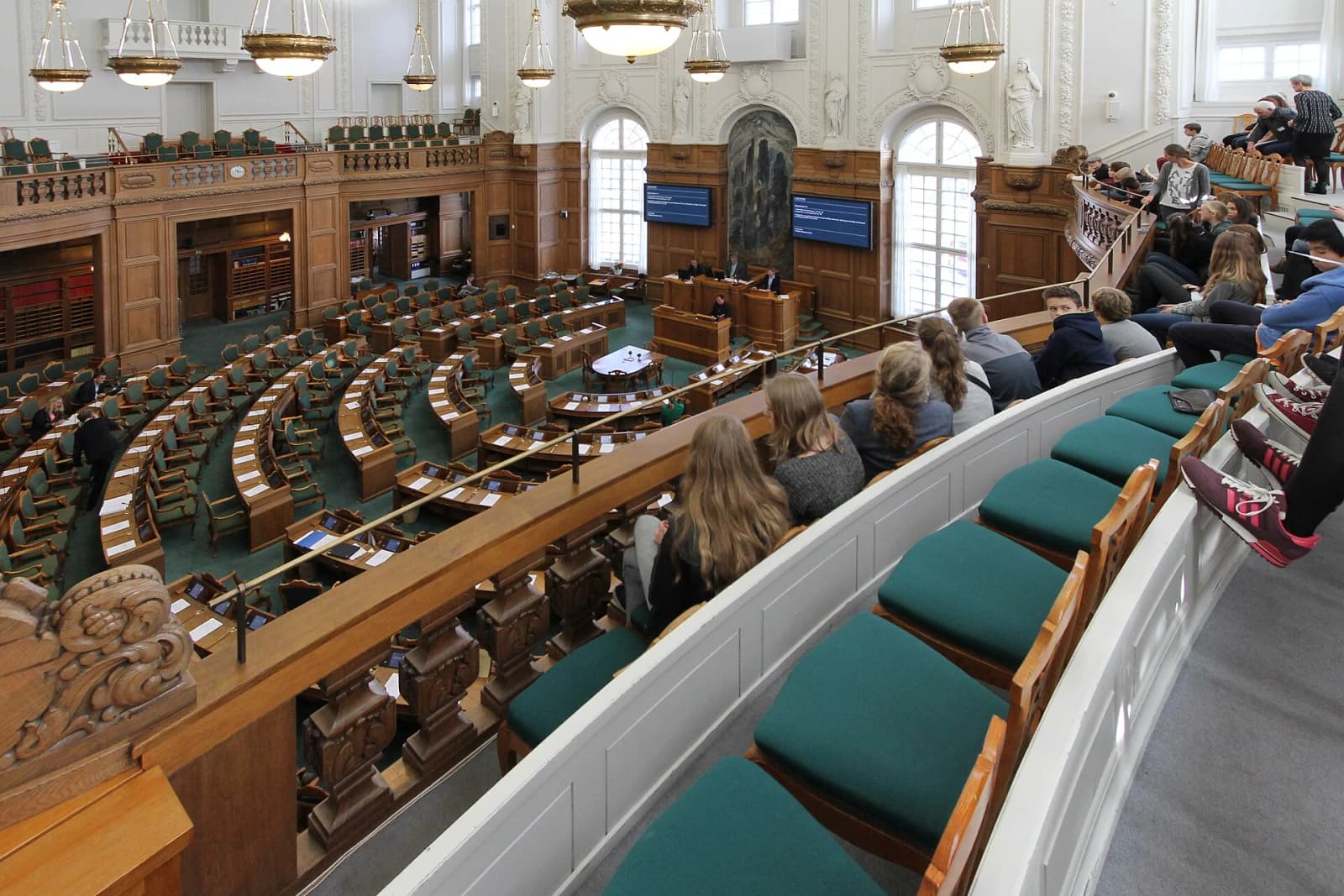
Denmark's parliament, the Folketing, unanimously ratified the security and defence agreement with the United States covering Greenland on 19 November 2026 in Copenhagen, with 109 votes in favour and none against, France 24 reported, citing Reuters. The vote was the last parliamentary step on the Danish side for a deal reached after months of pressure from US President Donald Trump over the Arctic island.
What did the Folketing approve?
Lawmakers approved a parliamentary resolution, B 36, giving consent to an agreement dated 22 September 2026 between Greenland, Denmark and the United States. According to the Folketing agenda listing published by Altinget, the agreement amends and supplements the 1951 defence agreement for Greenland, is anchored in NATO cooperation, sets out US military access on the island and opens the way for new defence areas. It also contains provisions on environmental considerations and foreign investment. The resolution was put forward by Foreign Minister Lars Løkke Rasmussen.
The deal expands the US military's role in Greenland, including permission to build a "Golden Dome" missile defence system, while reaffirming Danish sovereignty and Greenlanders' right to self-determination, France 24 reported. It also allows the US to "modernise and expand" its activities at Pituffik Space Base in north-west Greenland, Al Jazeera reported.
Why was the deal needed?
The agreement was signed in September by Trump, Danish Prime Minister Mette Frederiksen and Greenlandic Prime Minister Jens-Frederik Nielsen on the sidelines of the UN General Assembly in New York. It followed Trump's repeated threats to take control of Greenland, a self-governing Danish territory of about 57,000 people with valuable mineral resources. His refusal to rule out military or economic force triggered a diplomatic crisis within NATO in January and led to months of negotiations.
Greenland lies on the shortest route between Europe and North America and already hosts the northernmost US military base.
How did Greenland vote?
Greenland's parliament ratified the agreement on 3 November by 16 votes to none, with seven members abstaining. Greenlandic Foreign Minister Mute Egede wrote on Facebook at the time: "The road to this point has been a difficult one for us as a people."
In Denmark, the bill passed its first reading last week with support from all parties.
Does this end the dispute?
Not everyone thinks so. Mikkel Vedby Rasmussen, a political science professor at the University of Copenhagen, told Reuters that "there are many indications that this is not an end, but rather a beginning", arguing that the treaty could give Washington more influence over security decisions and some strategic resource extraction. Other experts say the agreement adds little to the access the US military already has in Greenland.
What happens next?
The agreement does not need a vote in the US Senate. It will take effect once Denmark's foreign ministry notifies the United States through a diplomatic note that domestic procedures have been completed.
Photo source · Peter Leth, CC BY 2.0